Best Science Books
All 443 science books in our library, ranked: from physics and biology to the brain and scientific reasoning. Each one has a 15–20 minute summary you can read or listen to.
Where to Start
Our picks by topic
Space and the universe
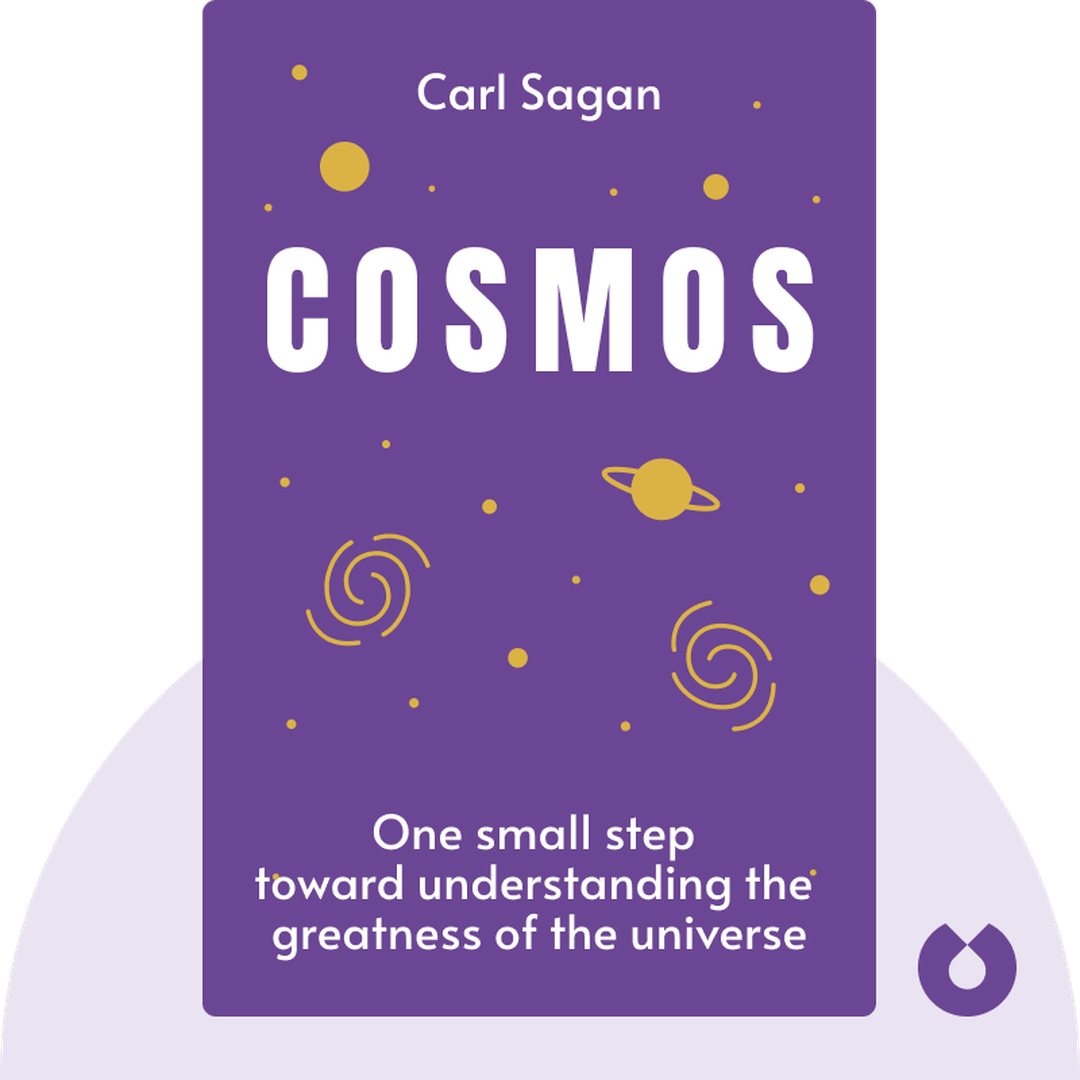
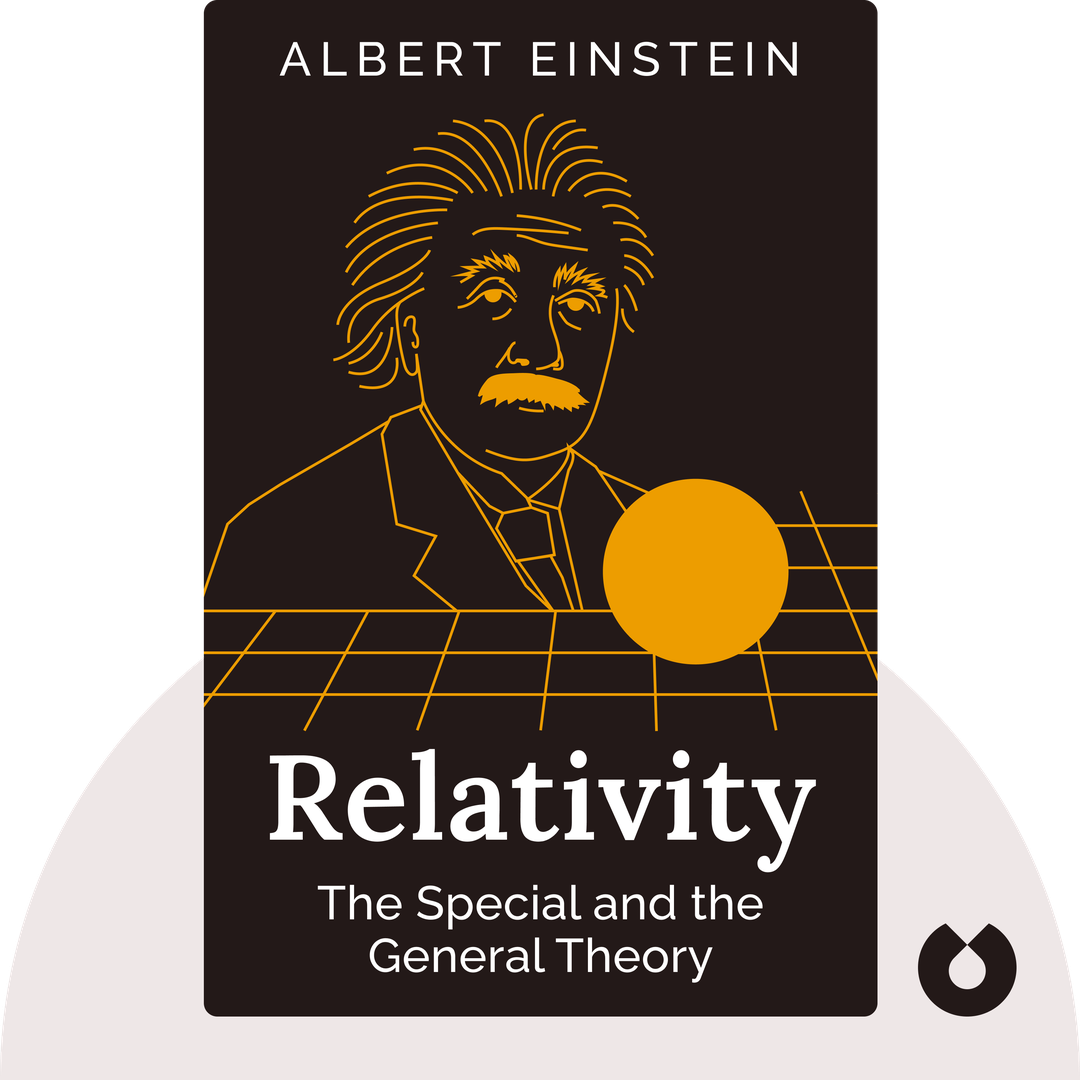
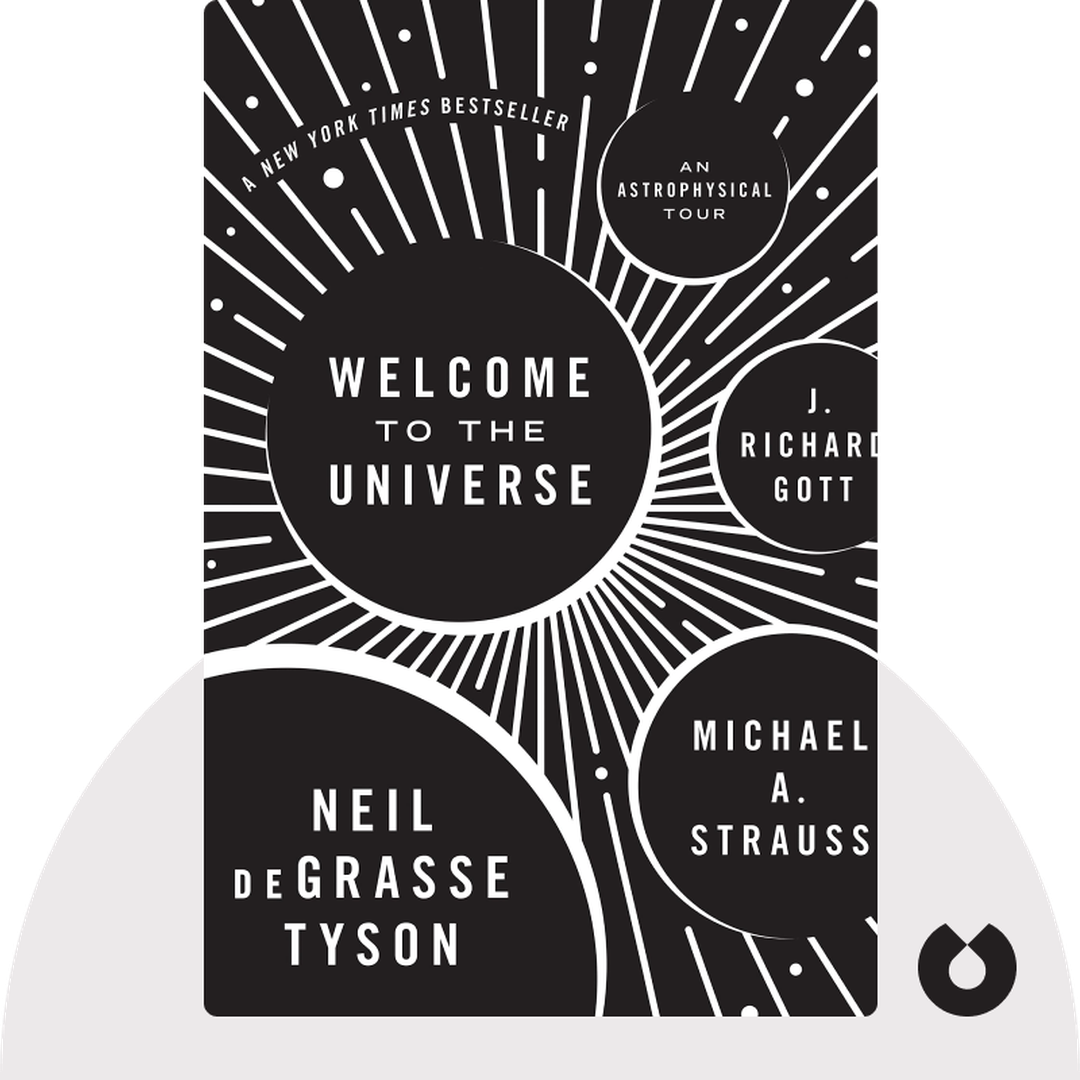
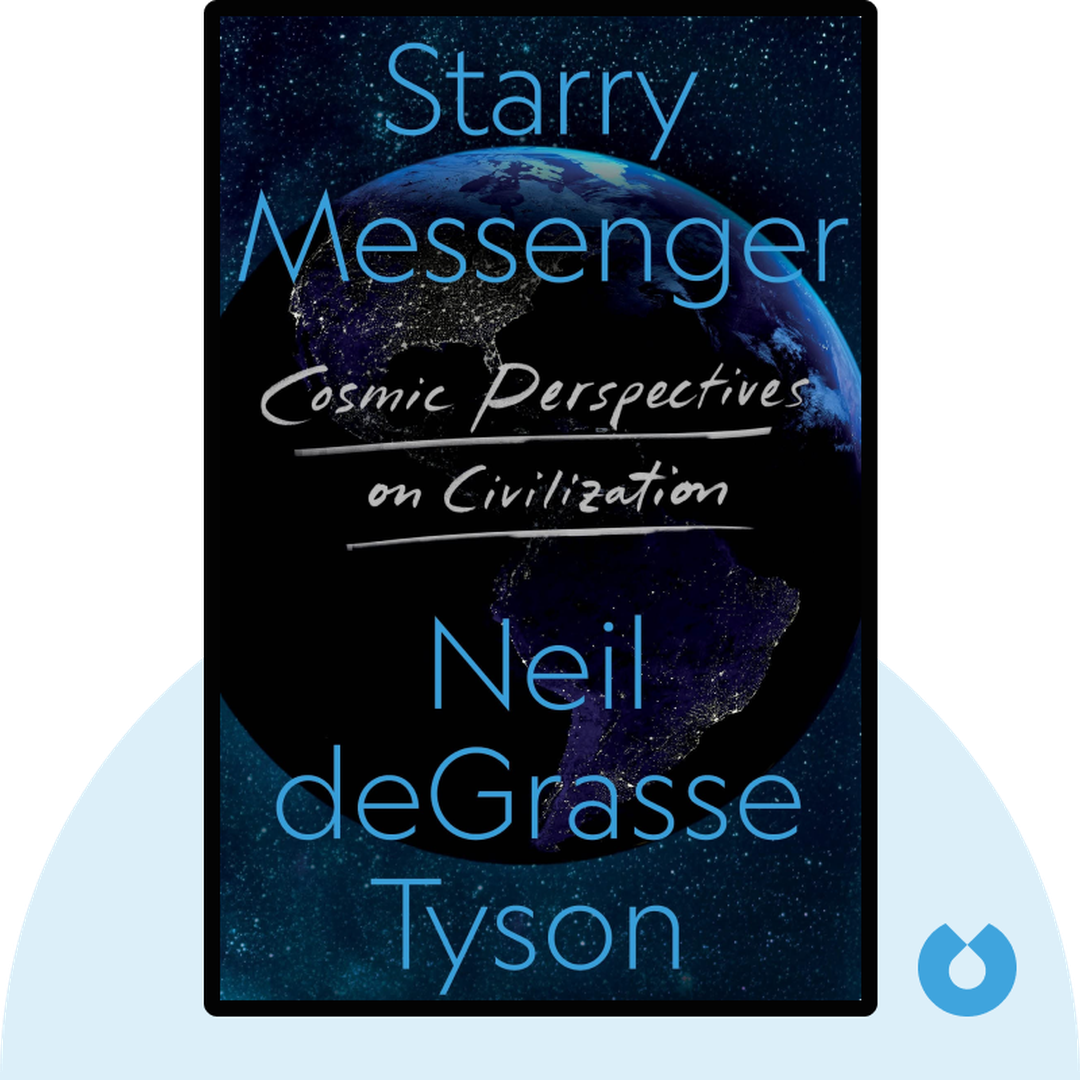
For the scale and history of the cosmos, start with Welcome to the Universe, an introduction to space, stars and cosmology. Cosmos connects scientific discovery to humanity’s place in the universe, while Relativity lays out Albert Einstein’s account of space, time and gravity. Brief Answers to the Big Questions addresses major questions about the universe’s future.

Brains and minds
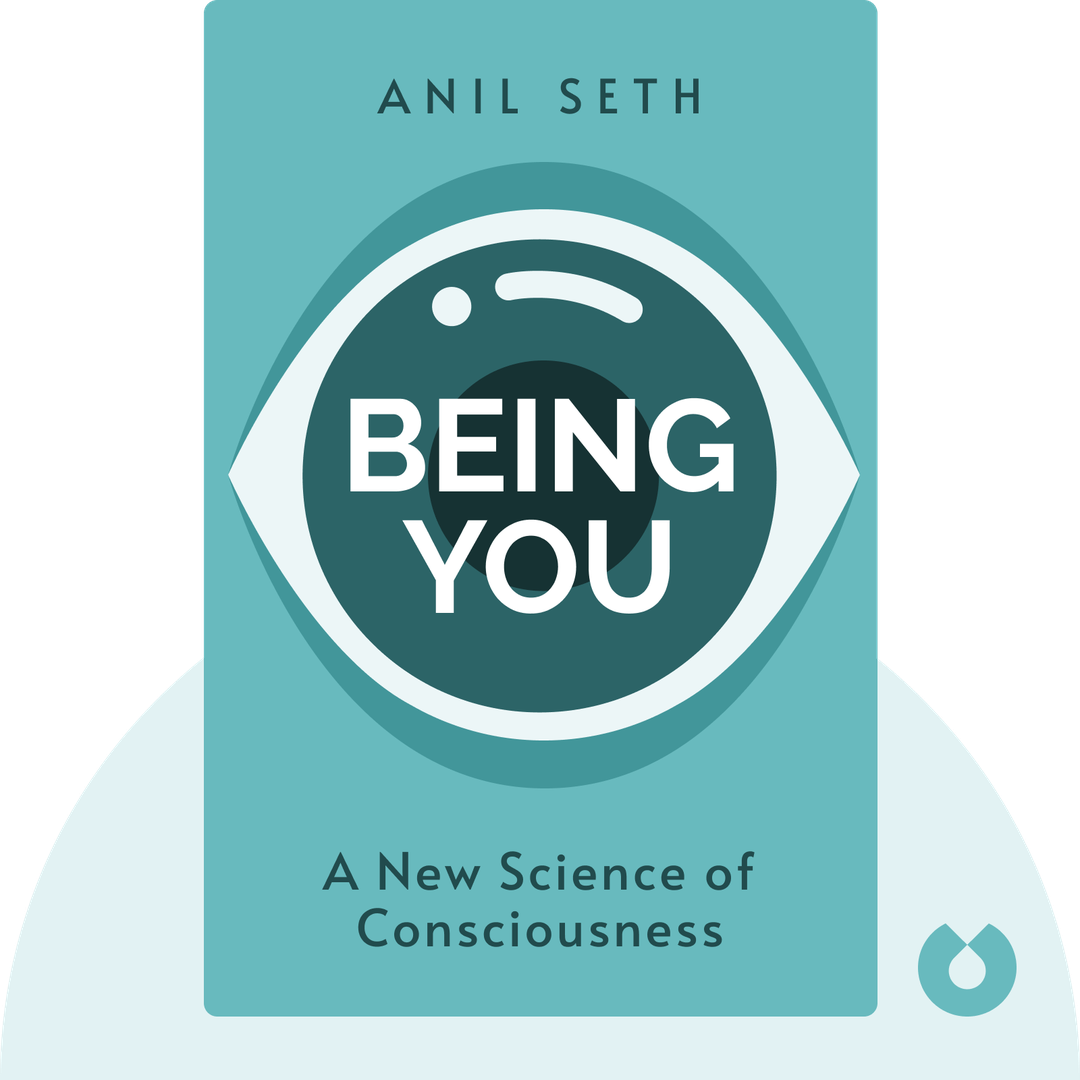
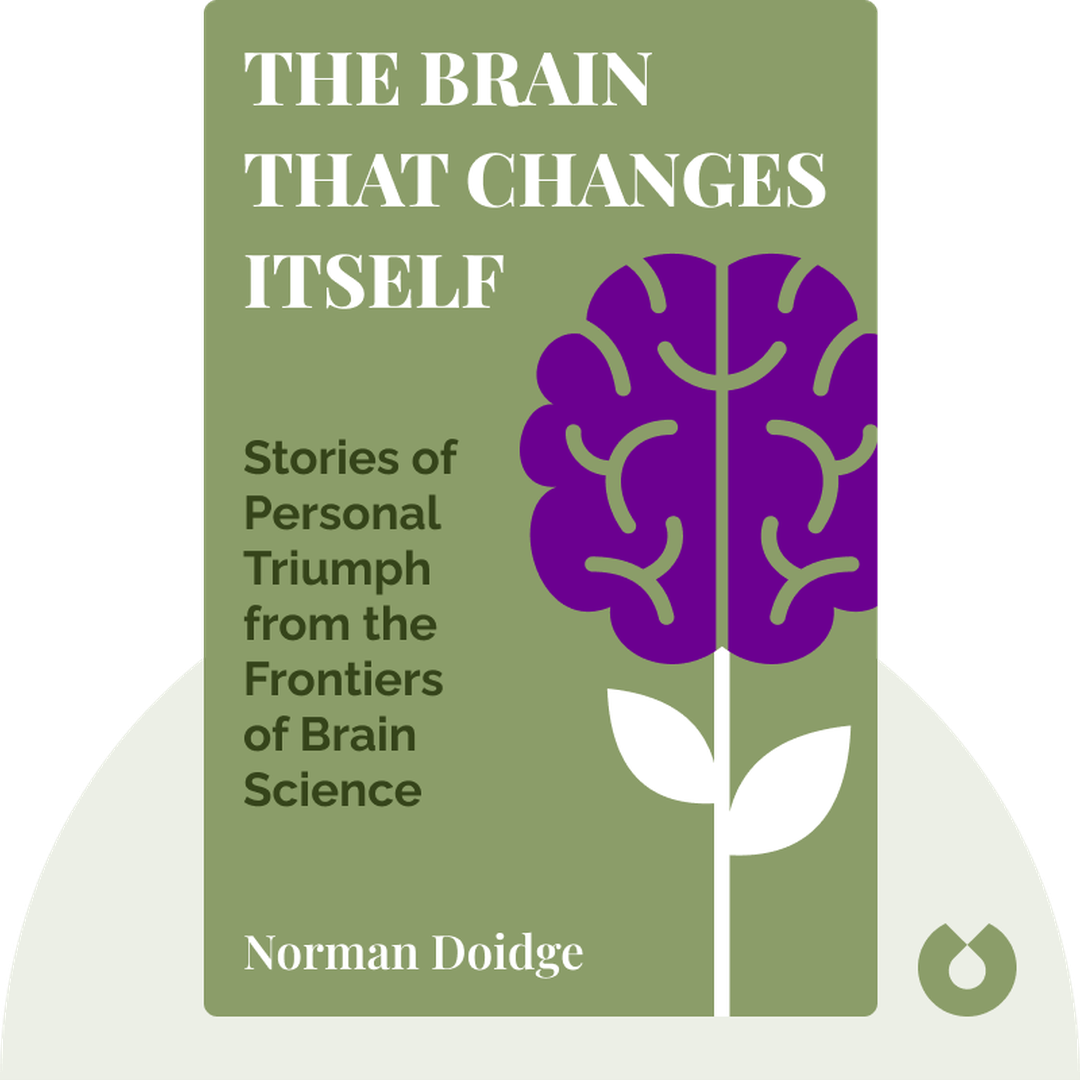
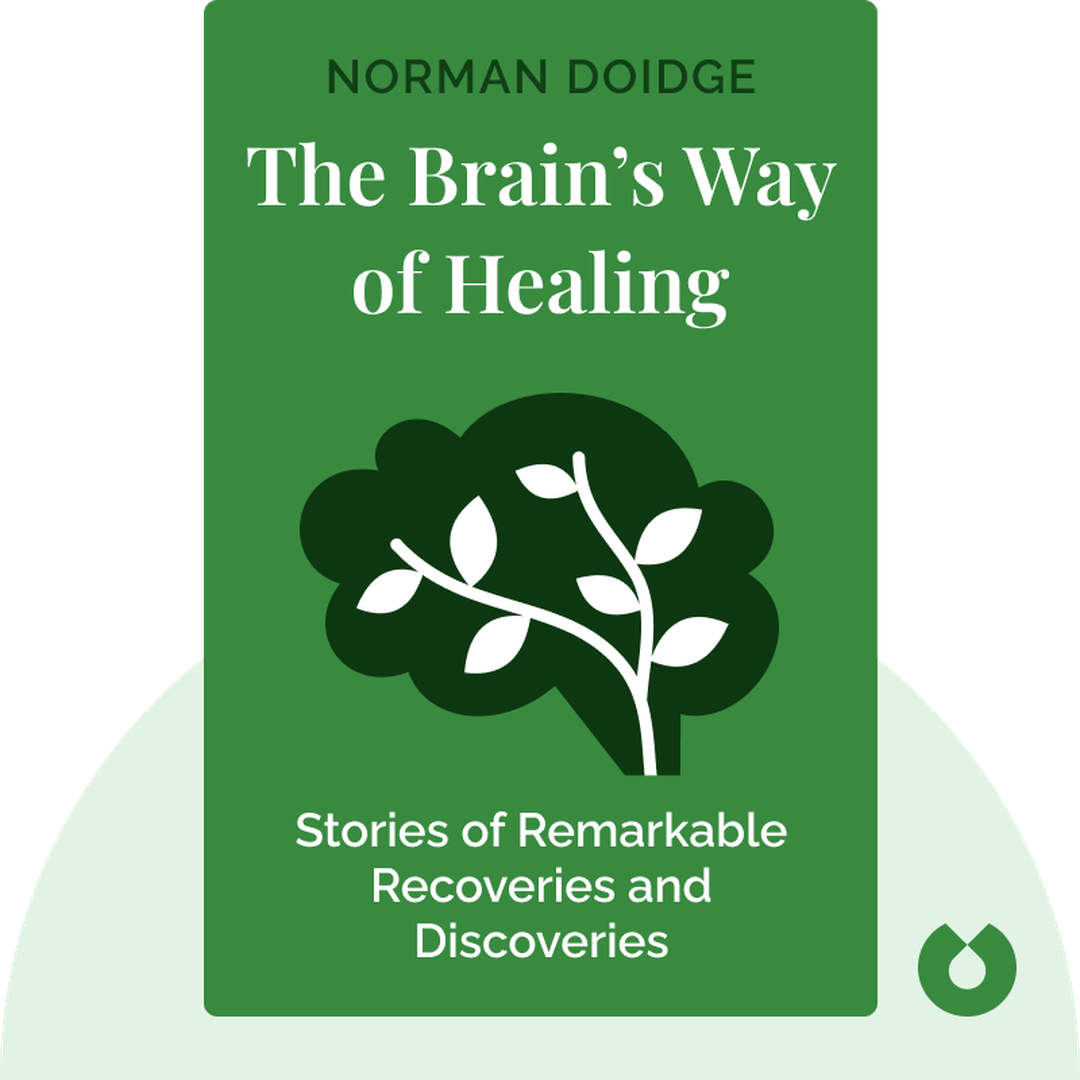
These books examine how the mind emerges from the brain and the world around it. The Extended Mind argues that thinking depends on bodies, surroundings and other people. Livewired explains the brain’s ability to adapt, and The Brain That Changes Itself explores neuroplasticity. Being You presents consciousness as the brain’s controlled interpretation of the body and world.
Evolution and life
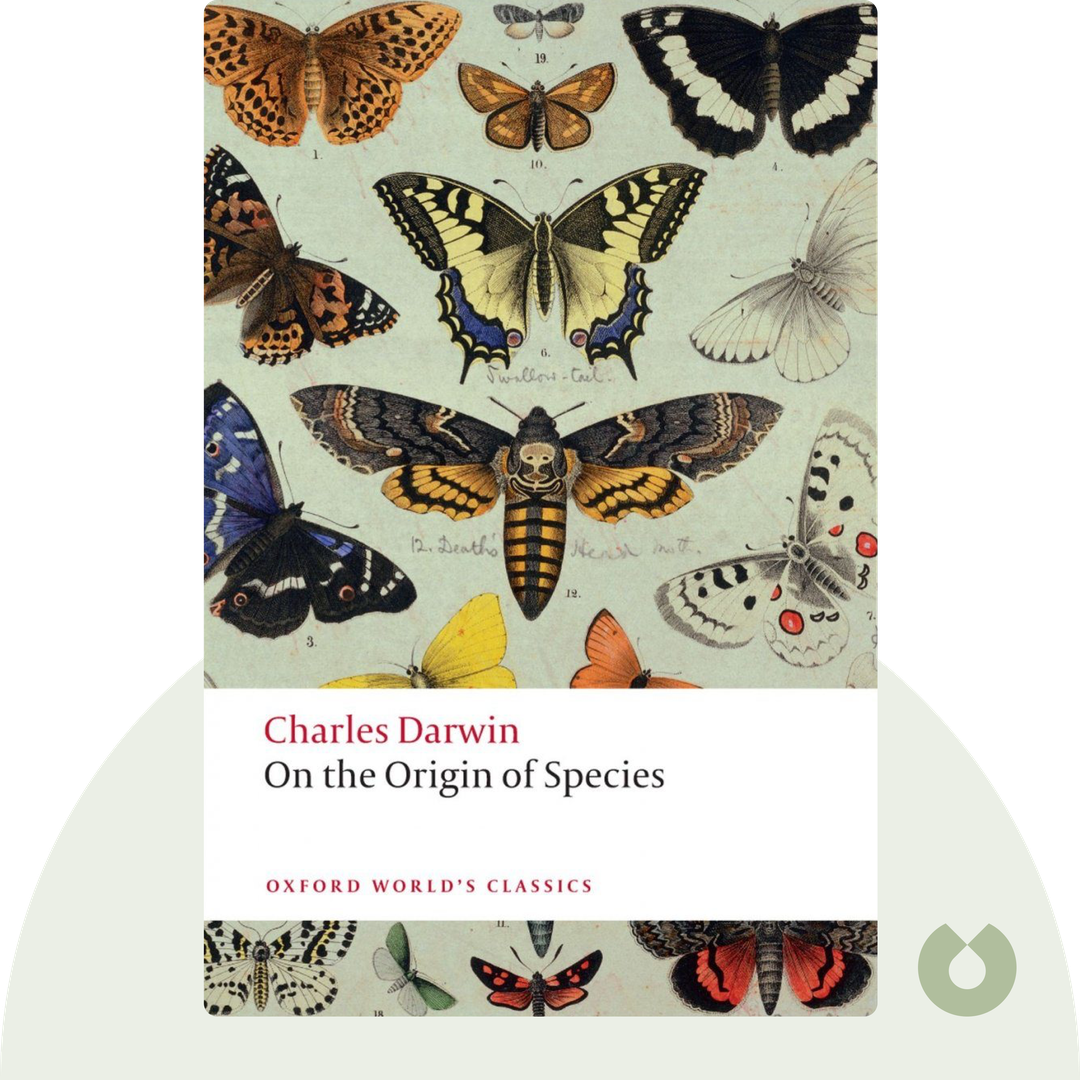
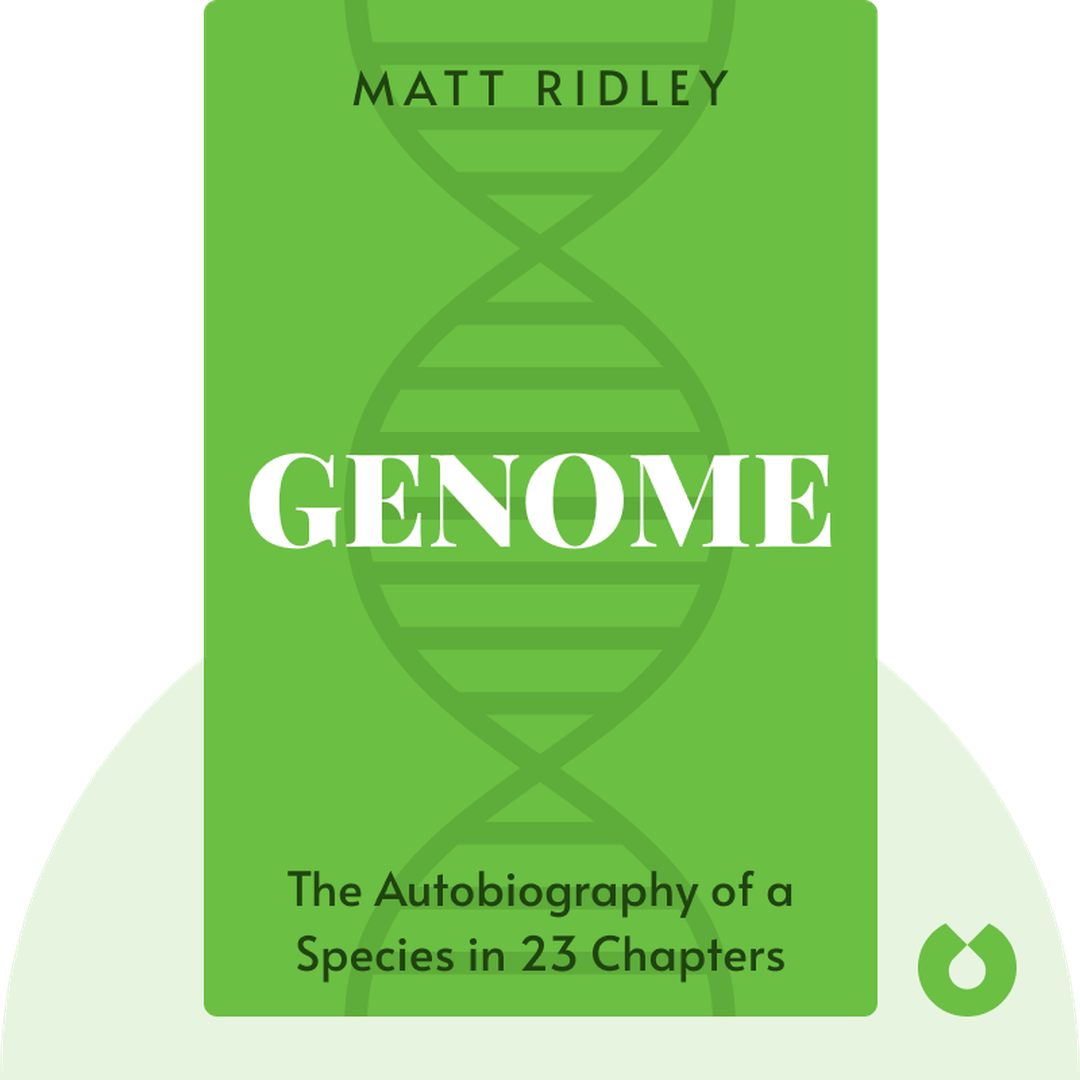
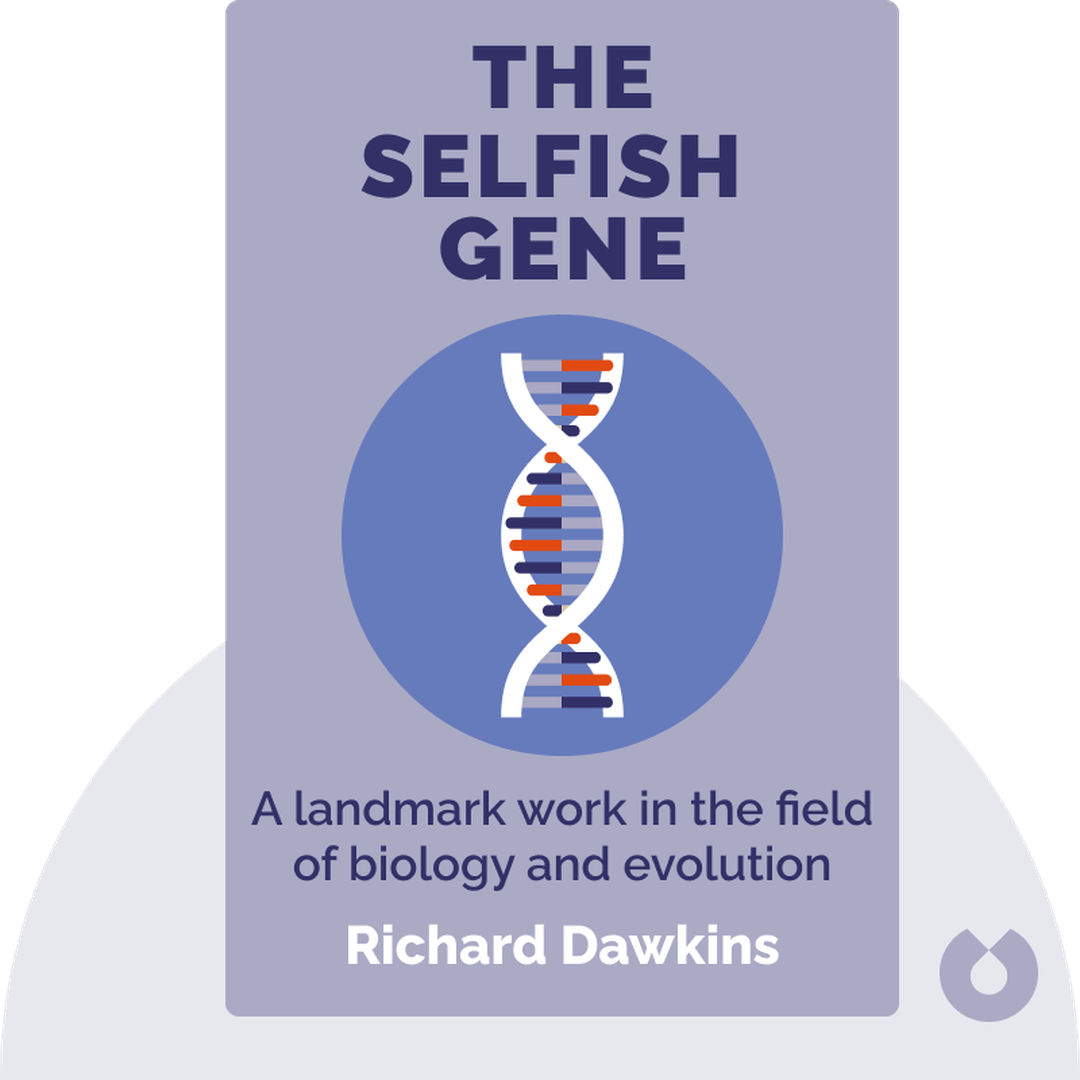
On the Origin of Species sets out Charles Darwin’s theory of evolution by natural selection. The Selfish Gene looks at evolution through genes and their replication, while Genome uses human genes to explain heredity. The Rise and Fall of the Dinosaurs traces dinosaur evolution and extinction.

How science works
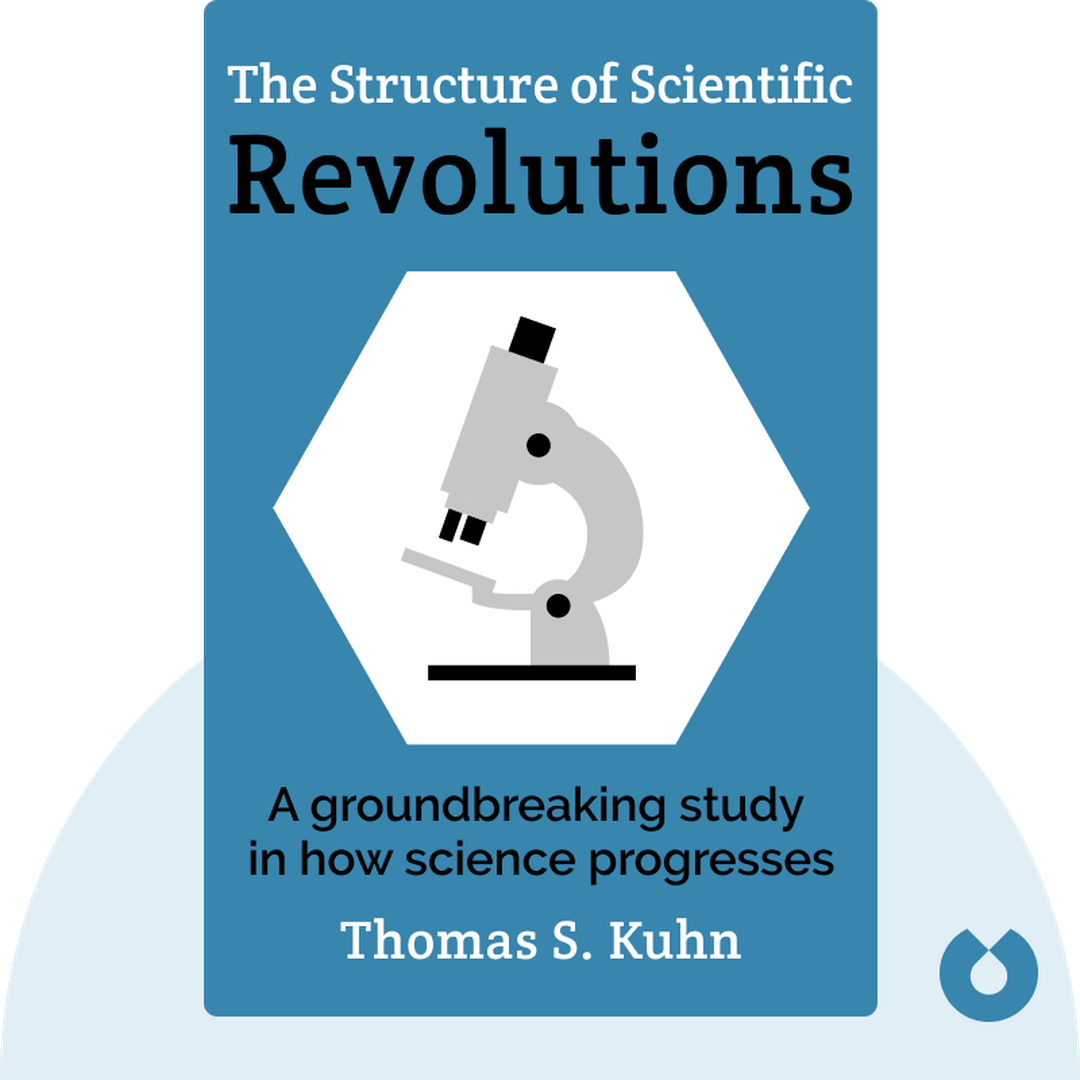
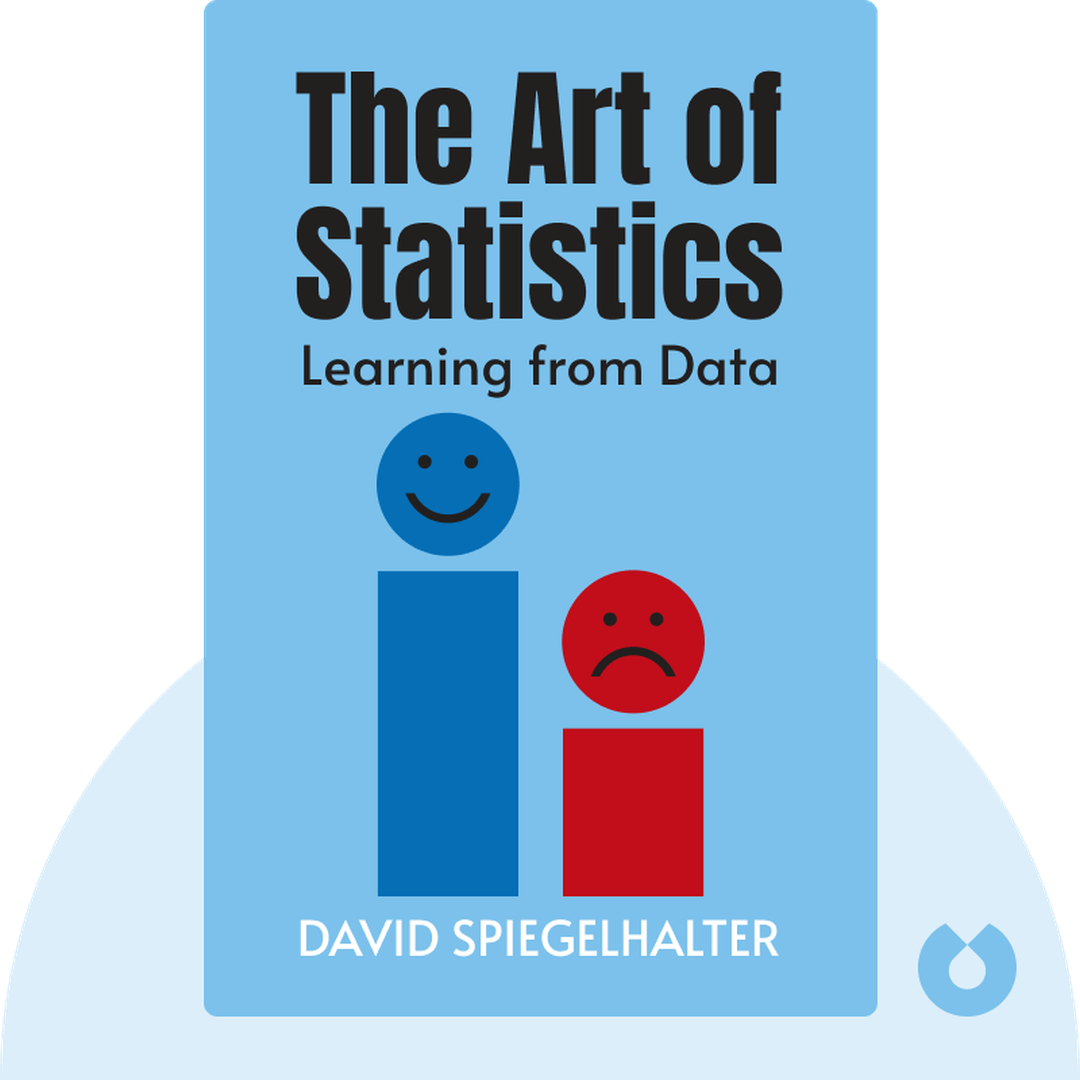
Science also means learning how to test claims and handle uncertainty. The Logic of Scientific Discovery argues that theories must be open to falsification. The Structure of Scientific Revolutions explains how paradigms shape research, The Art of Statistics shows how to reason with data, and The Data Detective helps readers assess numbers and evidence.
Science Book Charts
Ratings and rating counts from Goodreads
Most Popular

Highest Rated


All Science Books, Ranked
Ranked 1–100 of 443 books by Goodreads ratings




















Science Books FAQ
What are the best science books about space and physics?
Welcome to the Universe by Neil deGrasse Tyson, Michael A. Strauss, and J. Richard Gott is a broad introduction to modern astronomy. For conceptual guides, try Cosmos by Carl Sagan or the shorter Seven Brief Lessons on Physics by Carlo Rovelli.
Which science books explain the brain and mind?
The Extended Mind by Annie Murphy Paul explains how thought draws on the body and environment. Livewired by David Eagleman covers the brain’s adaptability, while The Brain That Changes Itself by Norman Doidge focuses on neuroplasticity.
How are these science books ranked?
By Goodreads reader ratings, weighted by how many people rated each book, so a book with thousands of strong ratings ranks above one with a perfect score from a handful of readers. The list covers all 443 science summaries in the library.
Can I listen to these science book summaries?
Yes. Every summary has an audio version that takes about 15–20 minutes, so you can get the key ideas of a book on a commute and decide whether to read it in full. One audiobook is free every day in the AudiobookHub app.