In 1907 Ernest Thompson Seton launches a canoe into Canada’s immense northern river system, chasing the caribou into the Barren Grounds—only to find that endurance, human character, and the hard beauty of the land become the real quarry.

In a sunlit Mississippi River town where trouble is as common as daylight, Tom Sawyer turns chores into triumphs, feuds into games, and every ordinary afternoon into a test of courage, conscience, and the irresistible lure of freedom.

Step into fog-bound Victorian London as Dr. Watson chronicles Sherlock Holmes at the height of his powers, where stolen photographs, cryptic clues, and sudden violence test logic itself—and where one woman’s wit proves a match for the great detective.

In 1907 Ernest Thompson Seton launches a canoe into Canada’s immense northern river system, chasing the caribou into the Barren Grounds—only to find that endurance, human character, and the hard beauty of the land become the real quarry.

In a sunlit Mississippi River town where trouble is as common as daylight, Tom Sawyer turns chores into triumphs, feuds into games, and every ordinary afternoon into a test of courage, conscience, and the irresistible lure of freedom.

Step into fog-bound Victorian London as Dr. Watson chronicles Sherlock Holmes at the height of his powers, where stolen photographs, cryptic clues, and sudden violence test logic itself—and where one woman’s wit proves a match for the great detective.

Cast out by family pride and thrown early into hardship, young Roderick Random barrels through schoolyard tyrannies, social humiliations, and brutal institutions, sharpening his wits and temper into weapons as he fights to claim dignity in a world that rewards cruelty.

Born amid war and secrecy and armed with charm as sharp as a dagger, Ferdinand Count Fathom climbs through Europe by fraud and calculated cruelty—until the very snares he lays for others begin to tighten around his own neck.

Written in the wake of revolution, Locke argues that political power begins in natural freedom and equality—and that rulers hold authority only by consent, to protect life, liberty, and property, or else forfeit the right to be obeyed.

When a plague devours Thebes, its celebrated king vows to hunt down the hidden pollution behind the disaster—only to find that every clue pulls him closer to a truth so intimate, so fated, it shatters the meaning of identity, power, and innocence.

In colonial Manila, a young idealist returns from Europe dreaming of reform—only to find a society ruled by fear, hypocrisy, and clerical power, where love and ambition collide with a regime determined to crush the very idea of change.

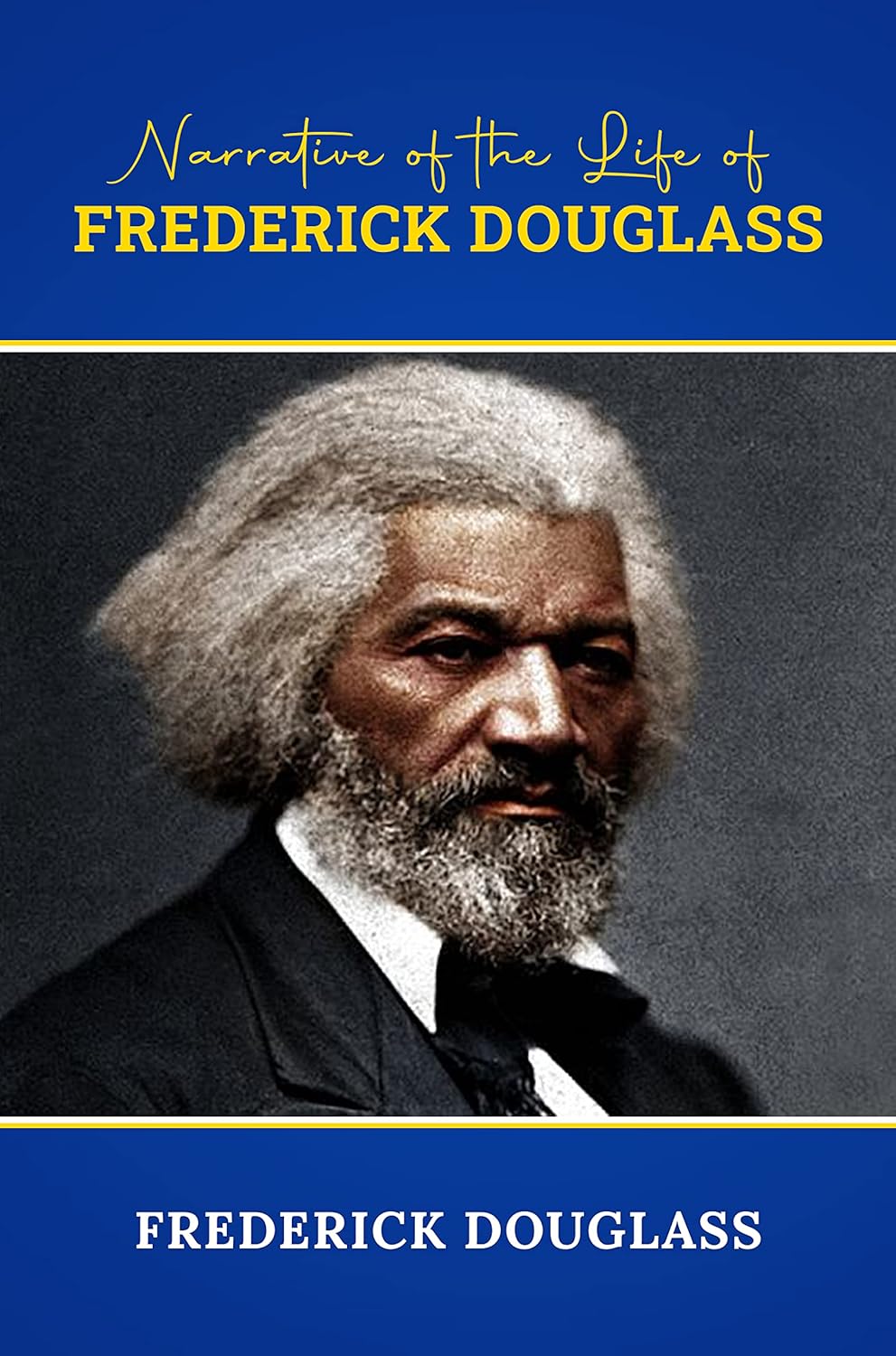
Written with urgent clarity by the man who lived it, this landmark autobiography traces Frederick Douglass’s journey from enforced ignorance to hard-won self-possession, exposing slavery’s everyday violences while insisting—at every turn—on the mind’s right to freedom.

Dictated to his wife and meant for a private circle until after his death, Wagner’s autobiography opens with childhood, family upheavals, and the theatre’s spell—revealing how an intensely observant, volatile boy became the artist who would remake opera.

When dutiful salesman Gregor Samsa wakes as an insect, the real horror is not his new body but the sudden unraveling of family love, work, and identity—an unforgettable descent into isolation rendered with calm, merciless clarity.

Enter the candlelit salons of July Monarchy Paris, where Talleyrand’s household listens, calculates, and judges: these sharp, intimate memoirs turn ministerial crises, diplomatic intrigues, and social comedy into a living portrait of power as it is actually practiced.

Written in the intervals of war and governance, these private notes let you listen in as Rome’s philosopher-emperor trains his mind for duty, loss, and temptation—seeking steadiness, compassion, and freedom from fear in a world he cannot control.

When a hard-eyed stranger rides into the deceptively “pretty” town of Sundown, he finds beauty being wagered like money and violence waiting upstairs—until his quiet questions turn into a personal reckoning with the men who own the night.

Written in the aftermath of England’s civil wars, Hobbes’s Leviathan dares listeners to confront fear, desire, and power head-on—arguing that only a strong sovereign, forged by covenant, can rescue humanity from the chaos of life without government.

Cast out within her own household, a fierce, observant orphan grows into a woman determined to claim dignity and love on her own terms—no matter the cost of defying class, convention, and the secrets that shadow her heart.

A newborn is discovered in a gentleman’s bed, and from that scandalous mystery unfolds a riotously comic journey through class, desire, hypocrisy, and virtue—following Tom Jones as his generous heart repeatedly collides with a world eager to misjudge him.

When a midnight ghost stalks the battlements of Elsinore, Prince Hamlet is thrust into a labyrinth of grief, corruption, and vengeance—where every word can be a weapon, every silence a betrayal, and the search for truth may cost a soul.

Enter a world where foxes speak, fortunes change hands in a heartbeat, and courage is tested by impossible tasks—timeless folk stories collected by the Brothers Grimm that reveal, beneath their magic, the sharp truths of human desire and fear.

Written in the aftermath of World War I prosecutions, Chafee’s landmark study asks where free expression ends and public safety begins—testing slogans against court decisions, history, and hard cases that still define what Americans may lawfully say in crisis.

In fifteen piercing stories of ordinary lives, Joyce turns Dublin’s streets, parlours, and pubs into a moral map—where small desires, quiet humiliations, and sudden recognitions accumulate until a single moment of “epiphany” reveals what has been endured, avoided, or lost.

When solicitor Jonathan Harker travels into the Carpathians to meet a mysterious nobleman, folklore turns frighteningly real—pulling him, and those he loves in England, into a shadowed battle of desire, faith, and survival against an ancient evil.

In the quiet English town of Cranford—where ladies rule, poverty is politely unspoken, and visiting hours are law—a newcomer’s plainspoken kindness upends delicate proprieties, revealing a community sustained by humor, pride, and unexpectedly fierce compassion.

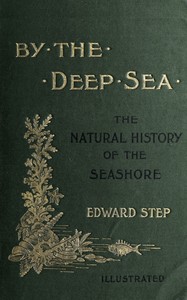
Step invites you to trade the promenade for the rock-pool: timed by moon and tide, armed with jars and a keen eye, you’ll enter a teeming littoral world where beauty, science, and seaside wonder meet at every turn.

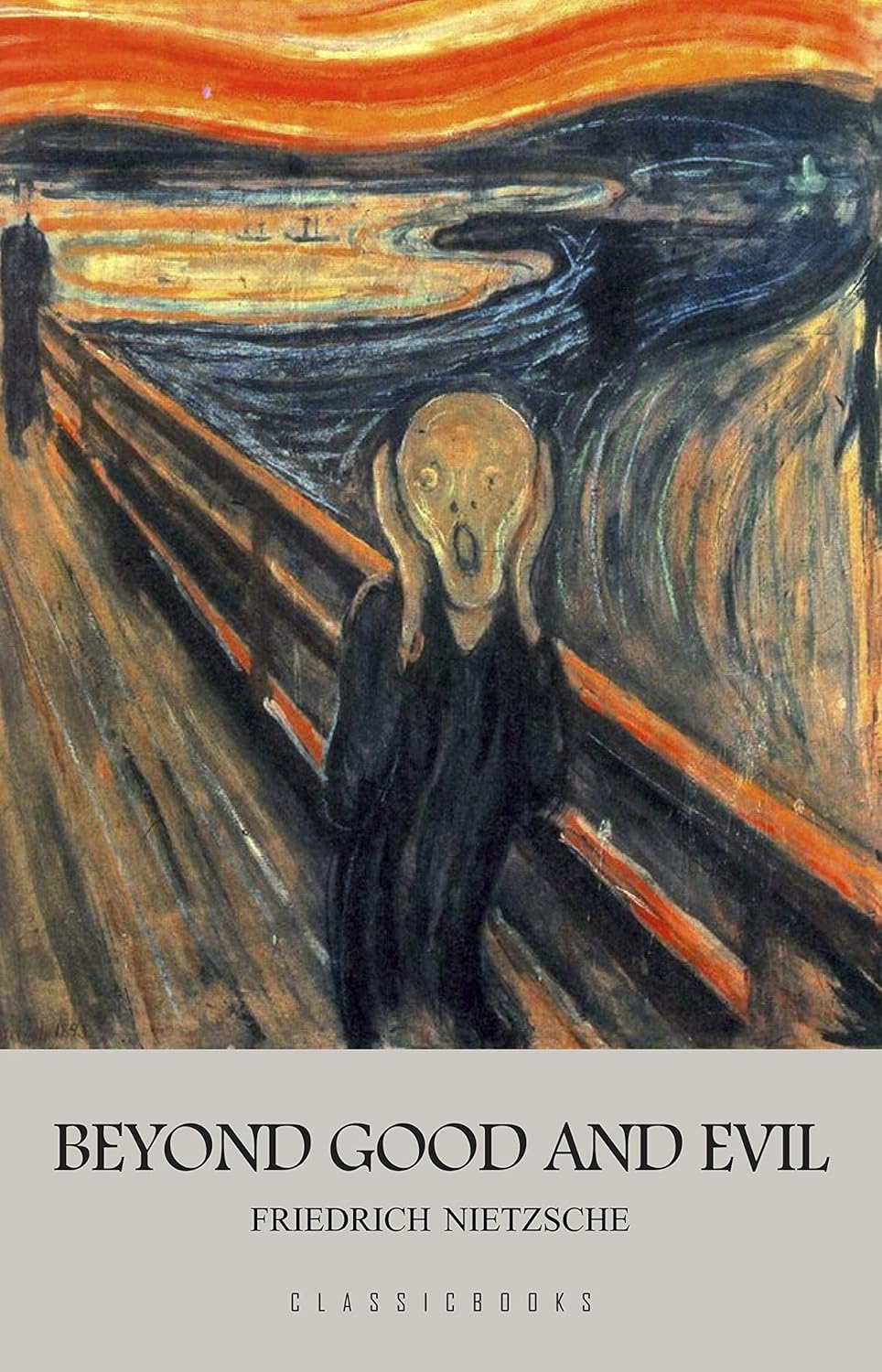
With aphoristic brilliance and razor-edged wit, Nietzsche challenges the pieties of religion, morality, and philosophy, asking what our “truths” conceal—and daring listeners to examine the instincts, power, and perspective that shape every conviction we call noble.

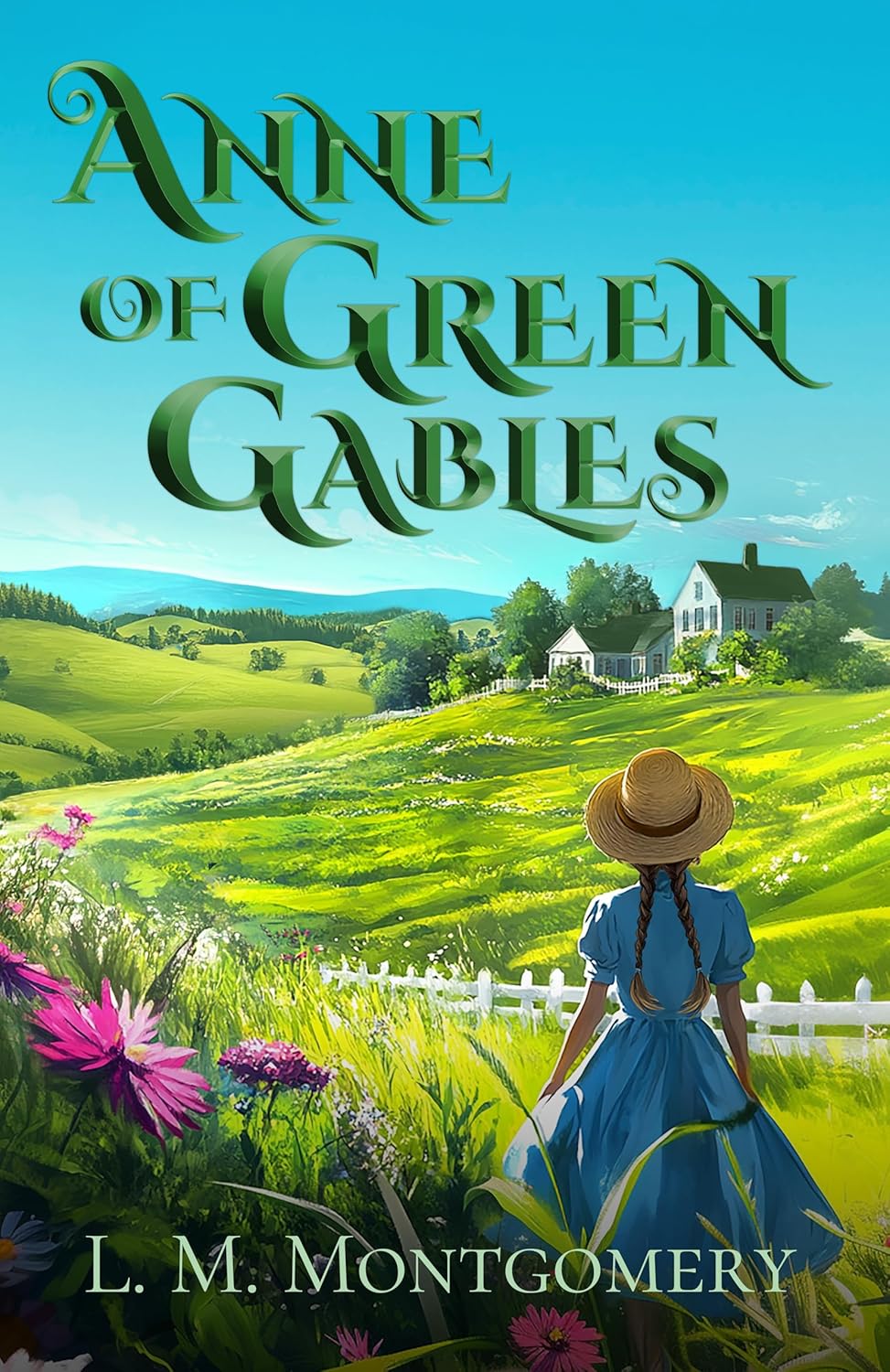
When a mix-up delivers an imaginative, sharp-tongued redheaded orphan to quiet Green Gables, Anne Shirley’s fierce longing to belong transforms Avonlea—testing strict hearts, stirring small-town gossip, and proving how wonder can remake an ordinary life into something radiant.

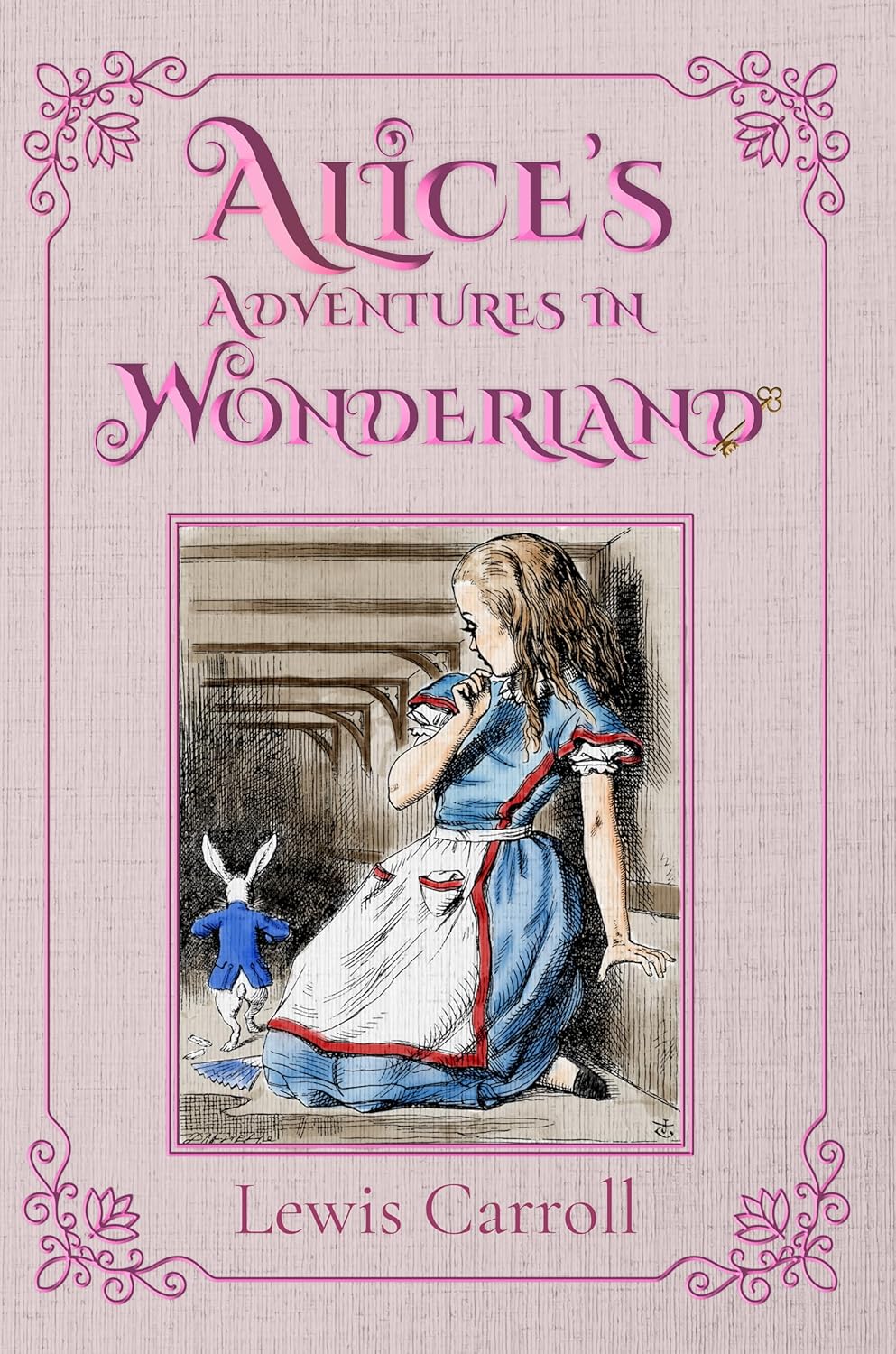
When a waistcoated White Rabbit checks his watch and vanishes underground, Alice follows—only to find a realm where language bends, logic flips, and growing up (or shrinking down) becomes the strangest puzzle of all.

Fresh from war and illness, Dr. John Watson meets a brilliant, unnerving stranger in a London laboratory—and by the time they share rooms at 221B Baker Street, a trail of blood and logic is about to introduce the world to Sherlock Holmes.

In sunlit Florence and buttoned-up England, young Lucy Honeychurch discovers that a “room with a view” is more than a hotel preference—it is a challenge to inherited propriety, awakening desire, and the risk of living truthfully.

In cool, economic prose that never raises its voice, Swift offers a “perfectly rational” solution to Irish poverty—one so monstrous it exposes the cruelty hiding in polite policy, and forces listeners to hear injustice with newly sharpened ears.

Behind Nora Helmer’s bright Christmas cheer lies a secret debt and a marriage built on fragile illusions—until a single letter forces her to choose between the role she’s been cast in and the self she has never been allowed to become.

In the cheerful suburbs of Victorian London, Charles Pooter records every scrape, social slight, and household triumph—only to discover that the smallest mishaps can feel like public catastrophes, and that respectability is a comedy best performed in earnest.

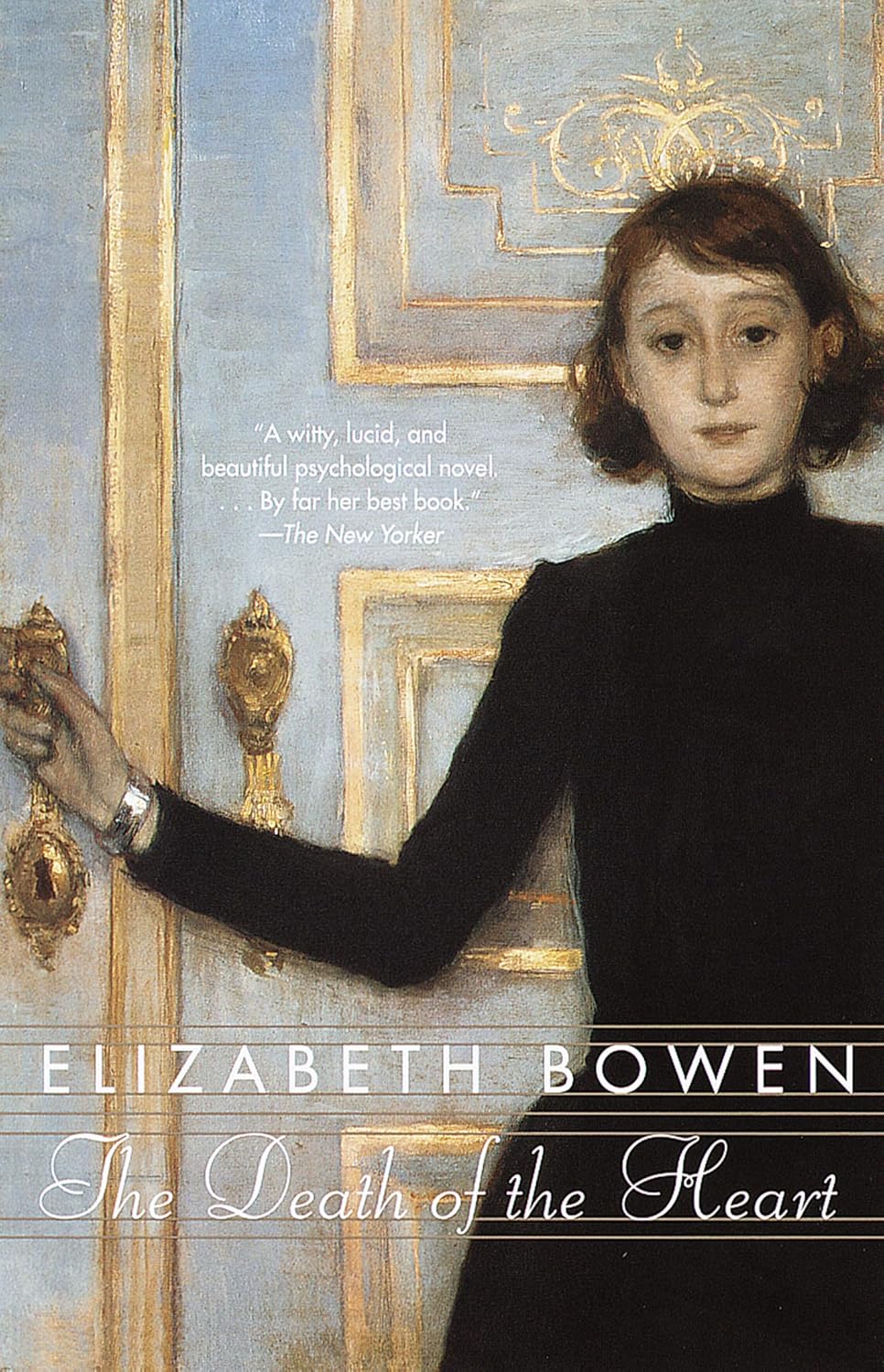
When sixteen-year-old Portia is taken into her half-brother's elegant London home, her secret diary turns observation into indictment—exposing the brittle civility of adults and the quiet violence of misread feelings in a winter-bright world of appearances.

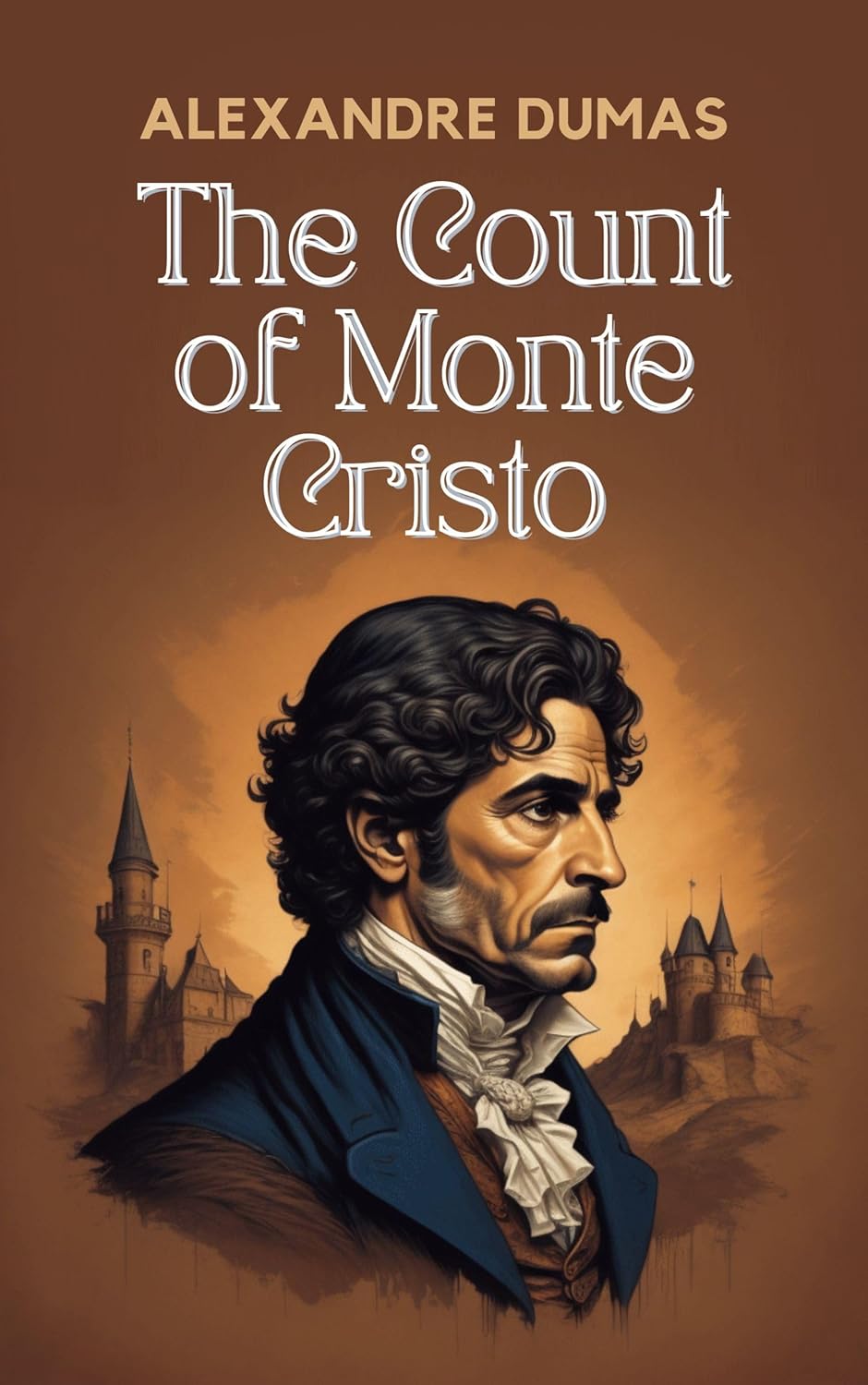
Betrayed at the very moment his future seems secure, young sailor Edmond Dantès is plunged into injustice—and from a prison cell begins a decades-long transformation into a force of vengeance, fortune, and unsettling moral reckoning.

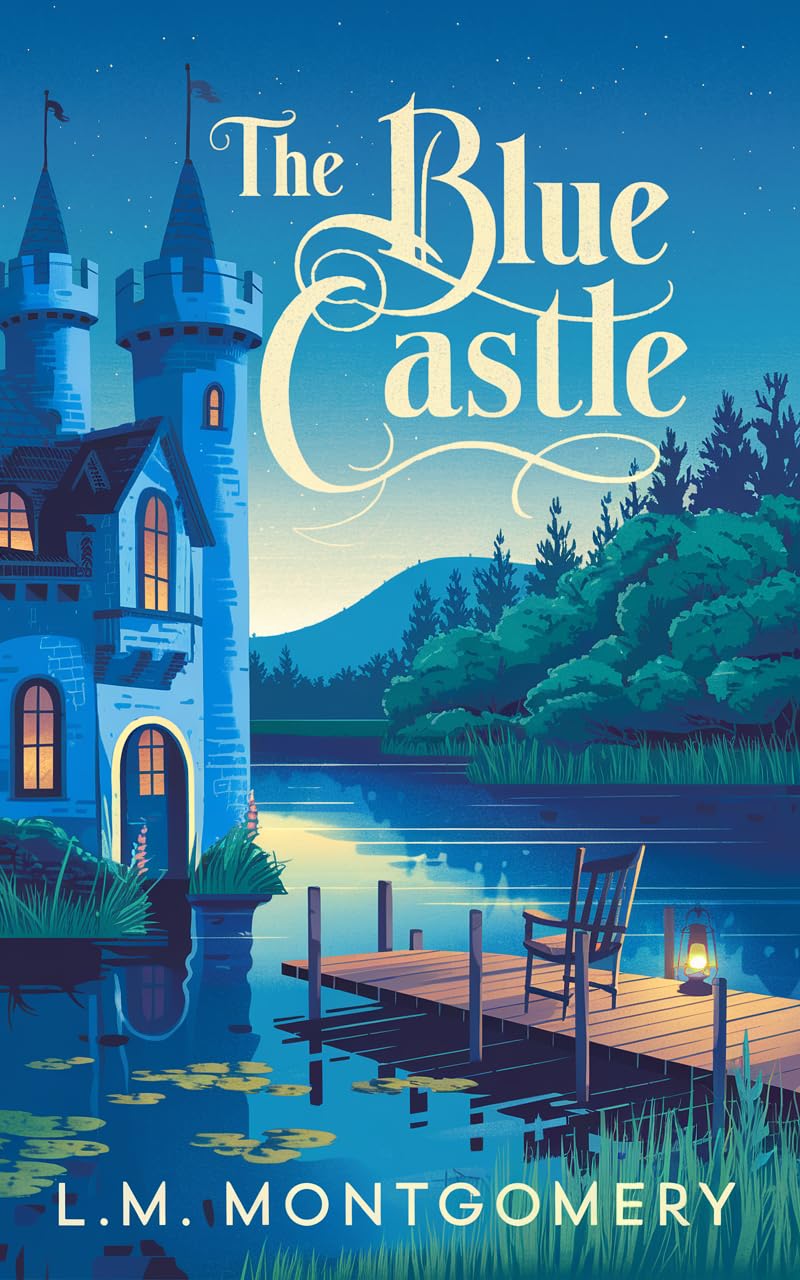
On the eve of turning twenty-nine, dutiful Valancy Stirling—long dismissed as "Doss" by her sharp-tongued clan—wakes to rain, heart-pain, and a sudden hunger for freedom, and discovers how one forbidden choice can crack open an entirely new life.

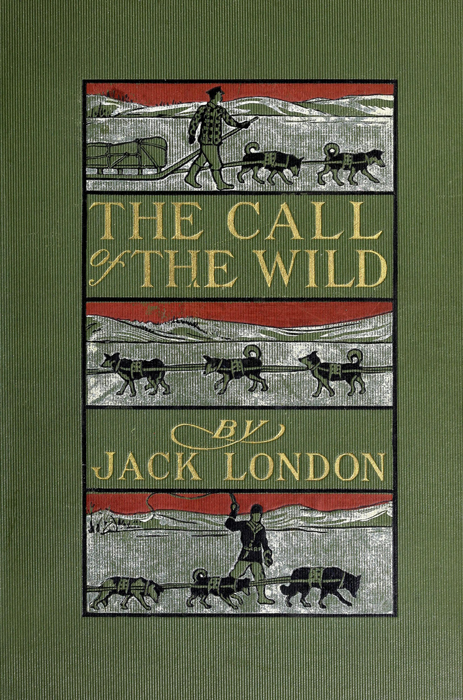
Torn from a life of comfort and hurled into the brutal Klondike, Buck must learn the law of “club and fang,” fighting to survive as ancient instincts awaken and civilization’s restraints fall away in the snowbound North.

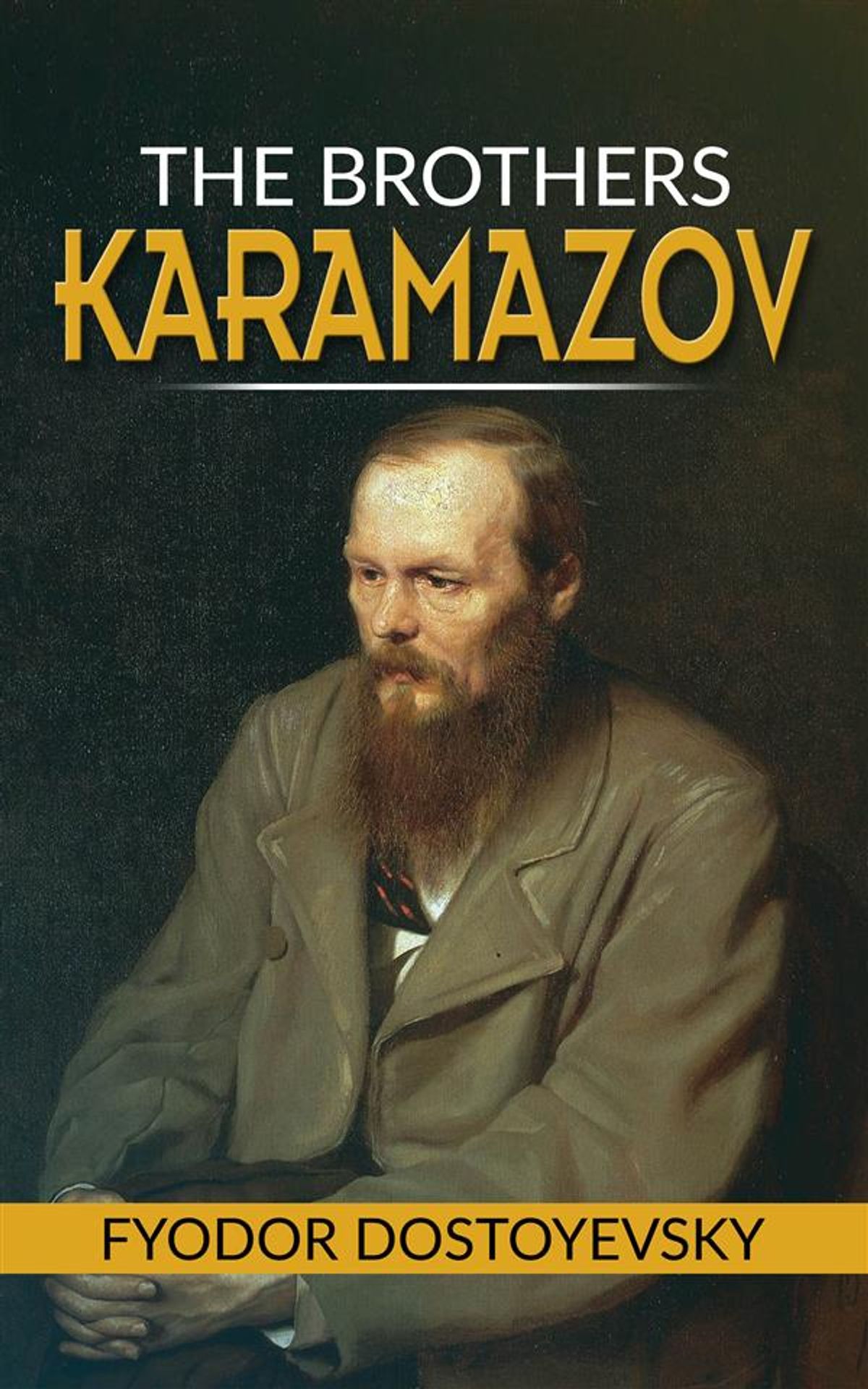
When the dissolute Fyodor Karamazov and his three very different sons are pulled into the same orbit, old grievances ignite questions of faith, morality, and guilt—until a looming catastrophe forces each brother to confront what he believes, and what he can bear.

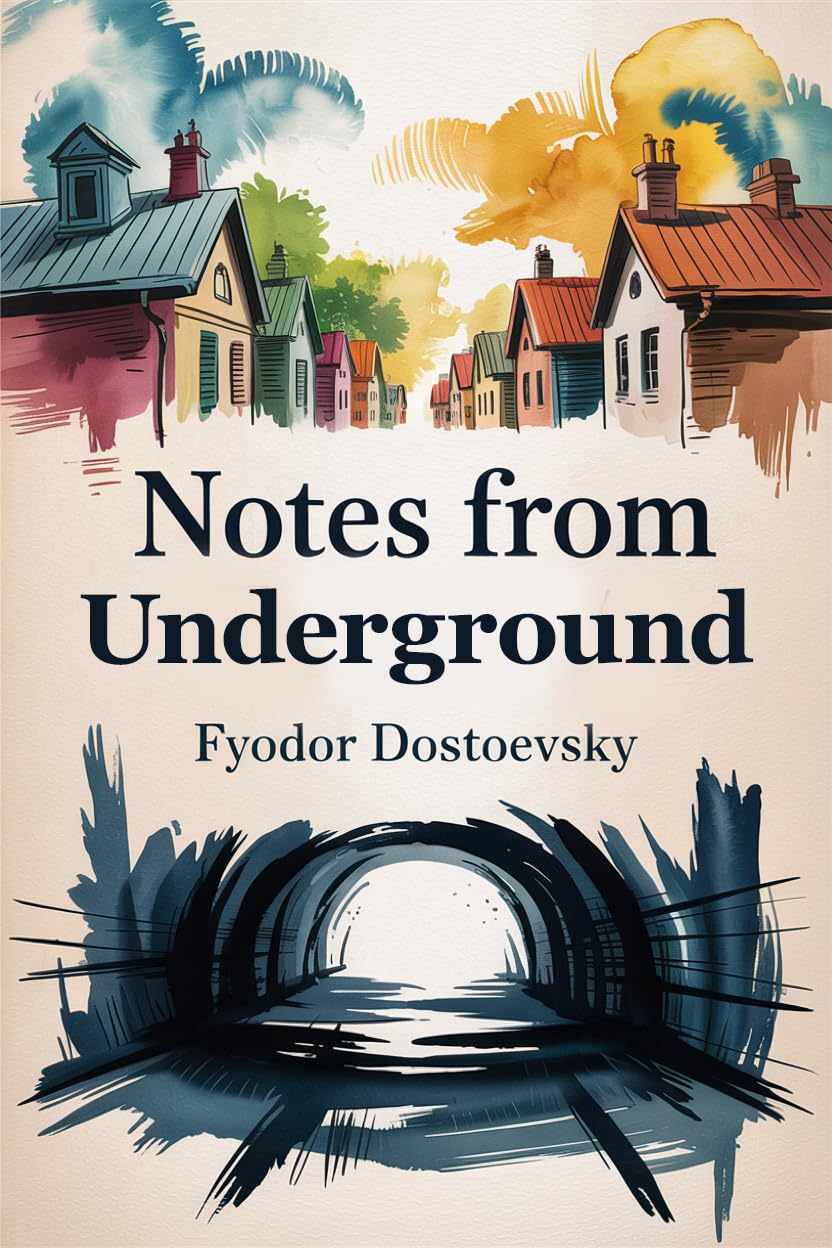
In a bitter, dazzling monologue from a St. Petersburg “underground,” an unnamed narrator dissects his own contradictions—craving freedom yet sabotaging himself—until his confession becomes an unsettling challenge to reason, progress, and every comfortable story we tell about motivation.

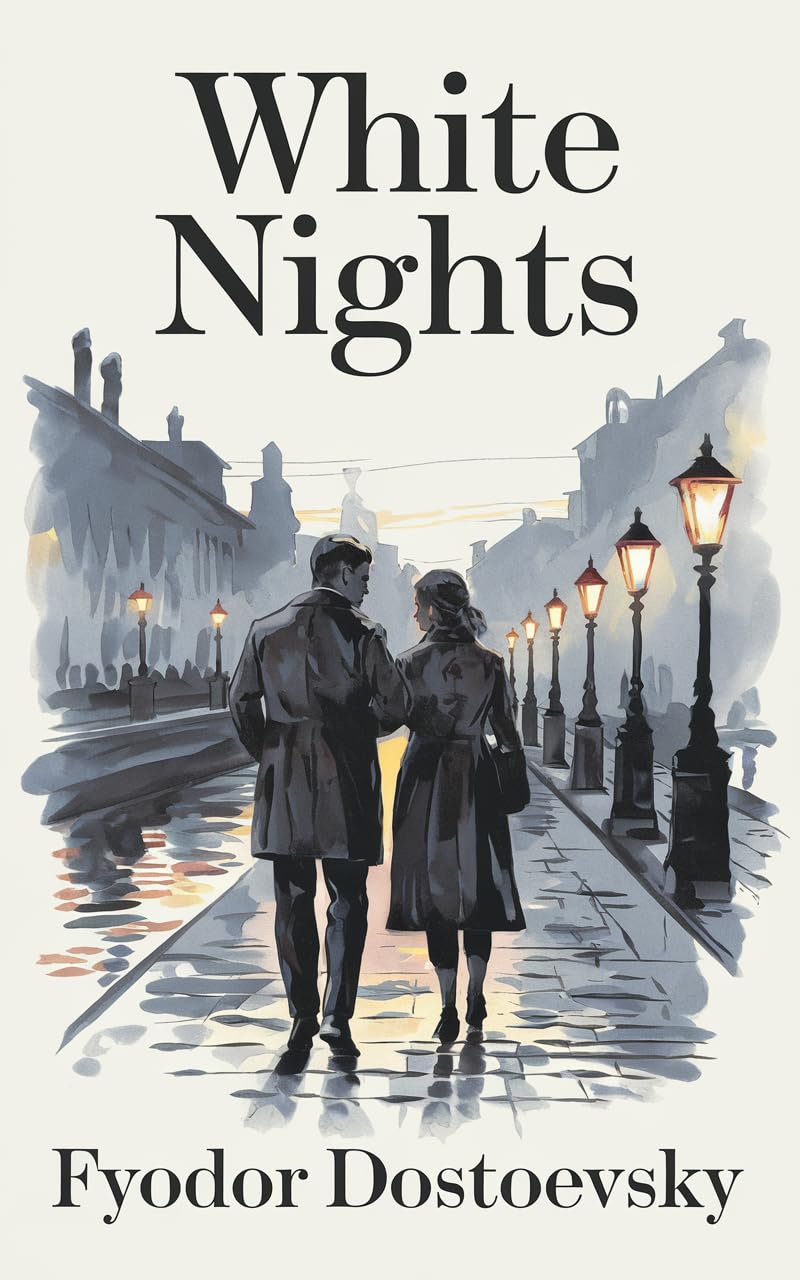
In the luminous St. Petersburg “white nights,” a lonely dreamer’s chance act of protection draws him into four evenings of intimacy with a young woman—where hope, confession, and the ache of unreturned love collide in a single, unforgettable week.

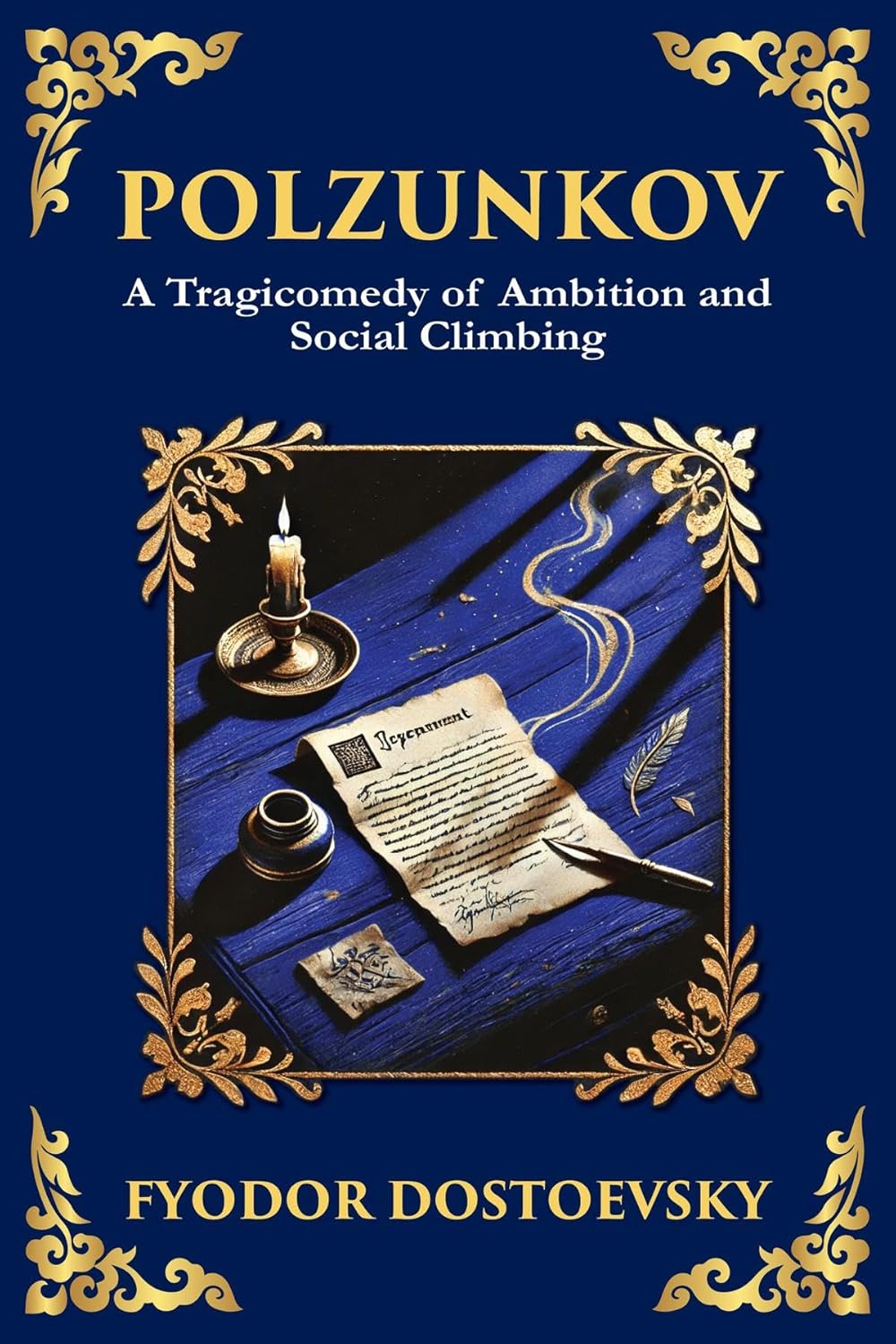
In a provincial town where laughter is a weapon and kindness a liability, the pitiable, proud Osip Polzunkov tells his “comic” story—only to reveal how easily a man can be coaxed into humiliations that feel like love, and betrayals that feel like fate.

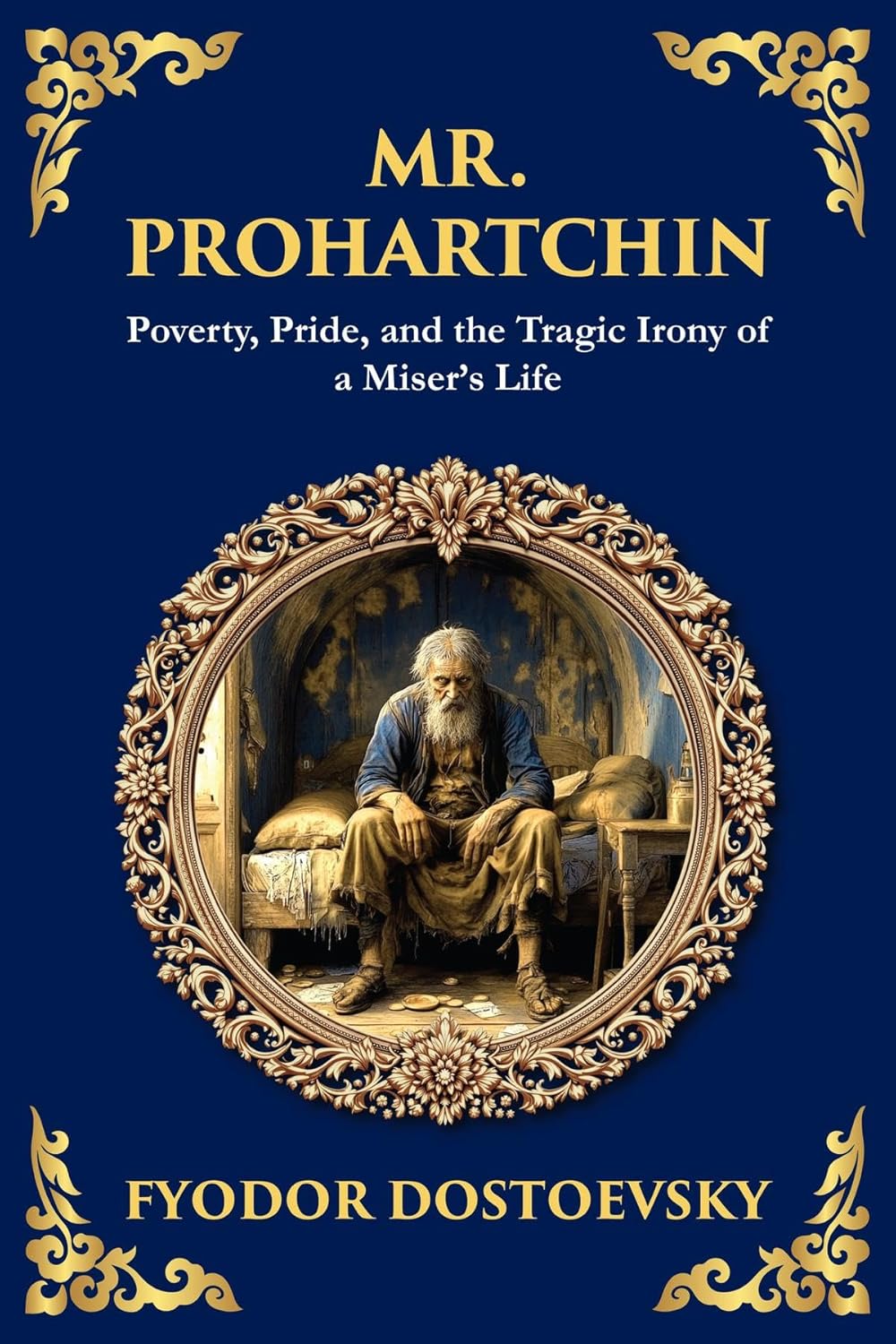
Behind a shabby screen in a St. Petersburg lodging-house, a timid clerk guards a battered trunk with near-religious devotion—until gossip, cruelty, and sudden illness expose the terrifying secret that poverty can hide in plain sight.

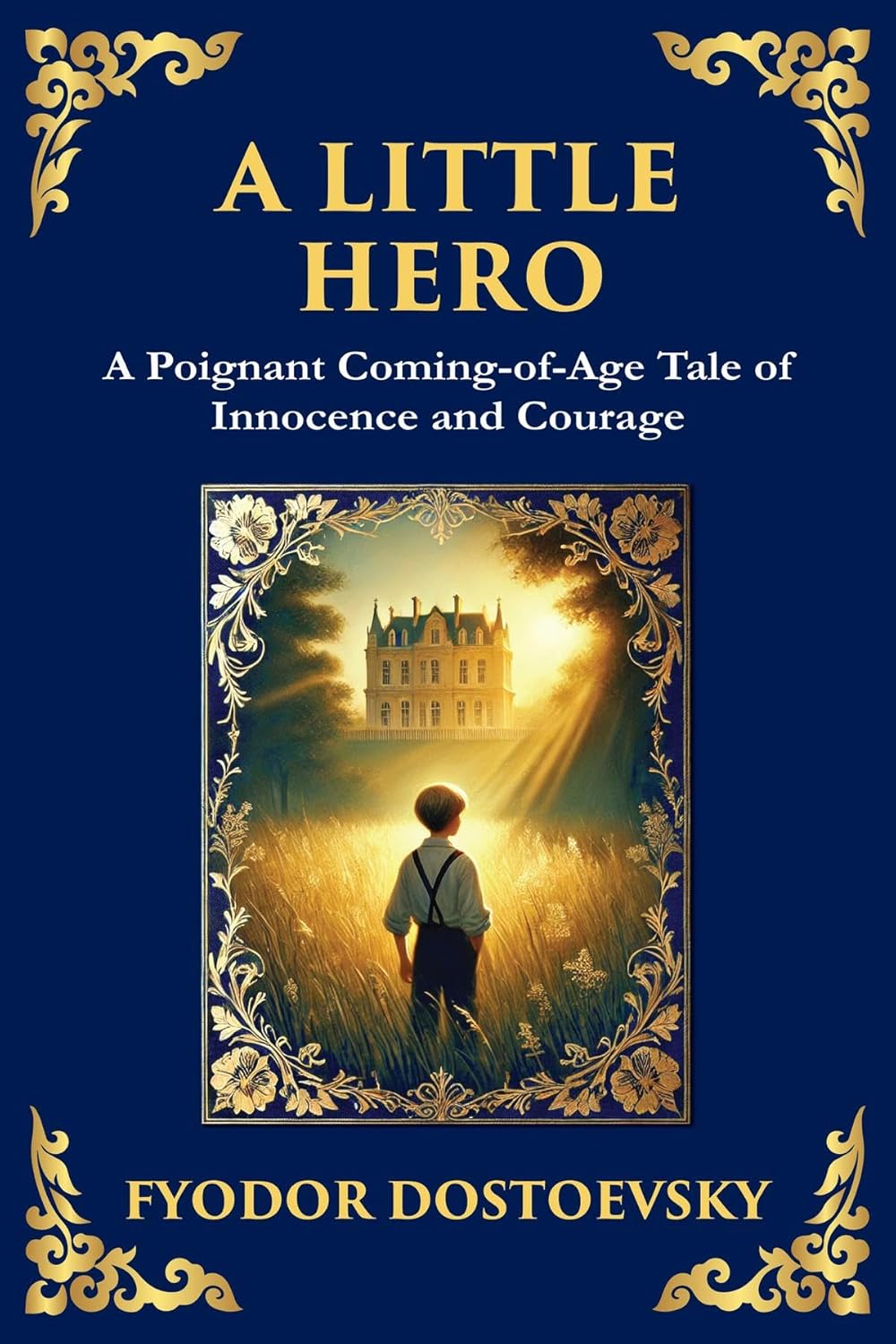
At a glittering country estate, an eleven-year-old boy is teased, dazzled, and suddenly awakened to love and shame—until a quiet act of courage, performed in secret, becomes his first true step into adulthood.

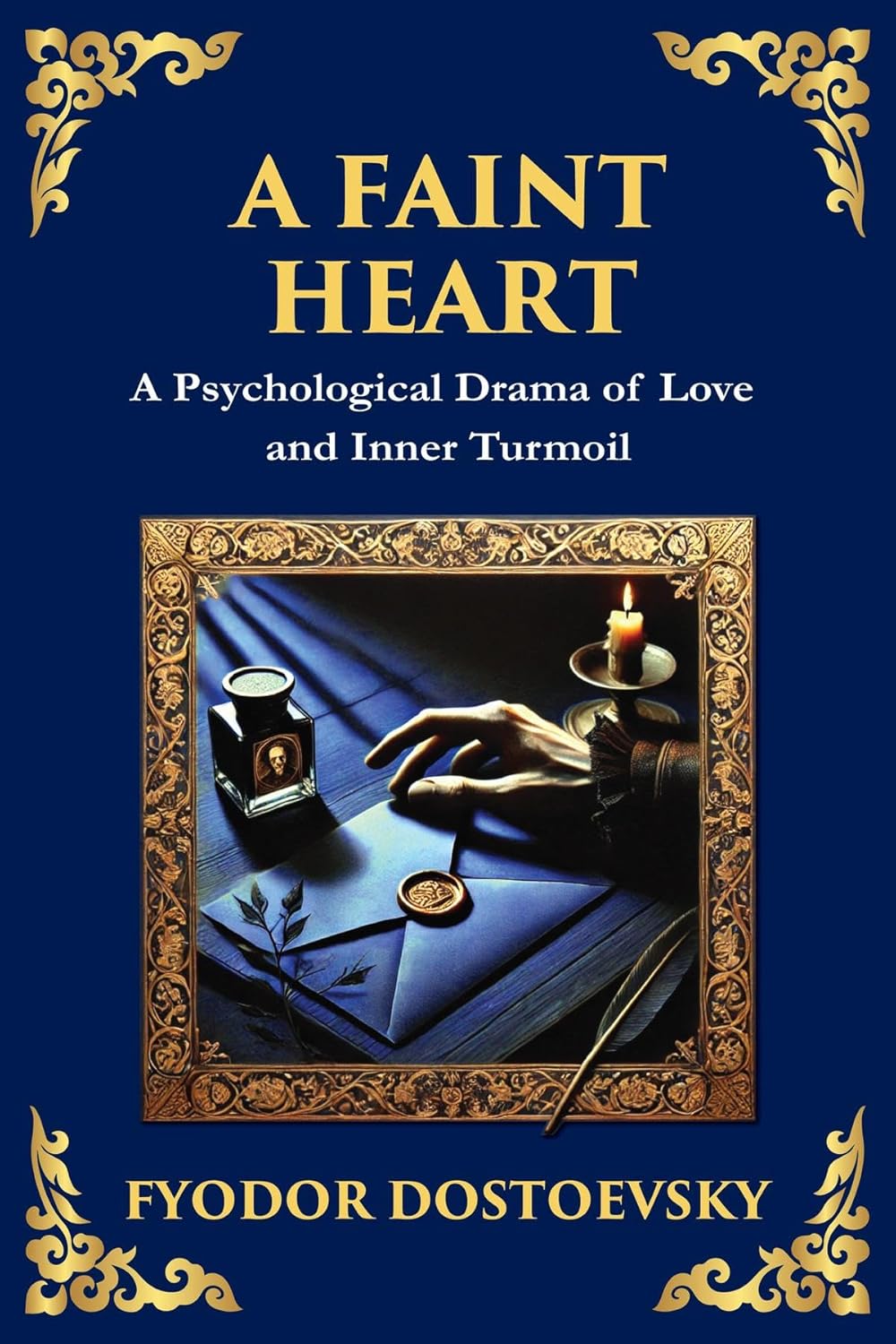
On a snowy New Year’s Eve in St. Petersburg, a humble clerk’s sudden engagement ignites rapture—and dread—as love, poverty, and obligation collide, and a gentle friendship is tested by the pressure of work, gratitude, and an anxious, vulnerable heart.

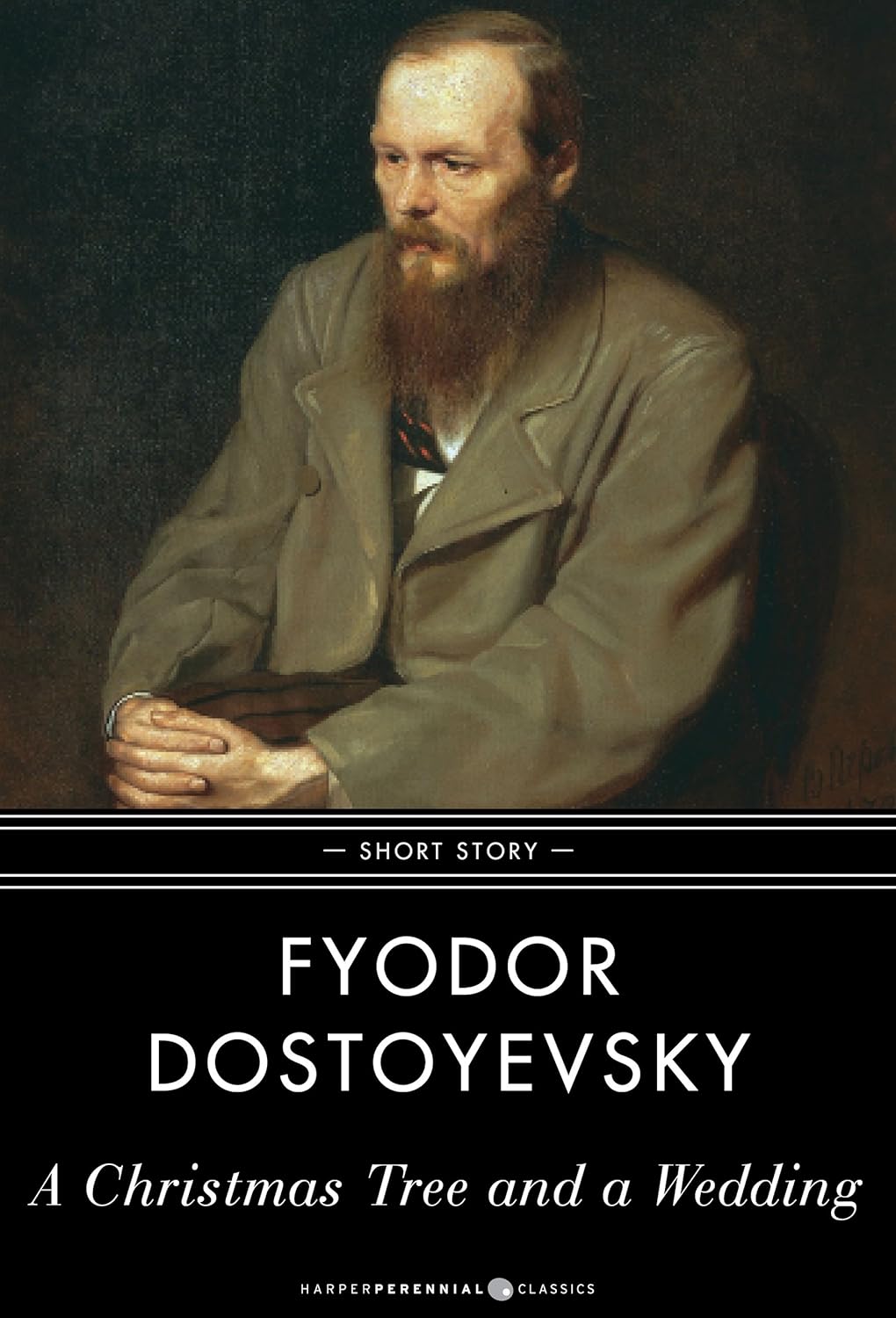
At a glittering holiday party, a calculating social climber sizes up a wealthy child like an investment—years later, at a fashionable wedding, the narrator recognizes the terrible arithmetic behind polite smiles, respectable talk, and a girl’s stolen youth.

Born from the rivalries of ancient Chinese states and sharpened by hard-won experience, this concise treatise turns war into a study of mind, timing, and advantage—teaching how to prevail through discipline, deception, and superior strategy rather than brute force alone.

When the Dashwood sisters are forced from their home and security, practical Elinor and passionate Marianne confront love, money, and reputation—discovering, through disappointment and desire, how easily “sense” and “sensibility” can mislead the heart and steady it too.

Told in Huck Finn’s plainspoken voice, this river journey with the runaway Jim becomes a daring escape from “civilized” rules—and a searching test of conscience, friendship, and freedom in a world built on hypocrisy and cruelty.

In the green seclusion of Hardy’s Wessex, a country girl’s beauty and pride collide with class illusion, sexual hypocrisy, and implacable chance—until Tess’s struggle for dignity tests what “purity” and justice can possibly mean in her world.

In Verona, a street brawl between rival houses ignites a chain of consequence, as two young lovers dare to choose each other over inherited hatred—only to discover how quickly passion, pride, and fate can turn love into catastrophe.

Betrayed by the religious community that shaped his faith, a solitary weaver withdraws into hoarded gold—until loss and an unexpected child draw him back toward trust, human fellowship, and a hard-won sense of grace in rural England.

From nursery-song rhythms to the strict corridors of an Irish Jesuit school, Stephen Dedalus grows into a mind that questions family, faith, and nation—until the hunger to shape life into art becomes his fiercest, most costly vocation.

Orphaned young and marked by a club-foot, Philip Carey grows up hungry for love, purpose, and freedom—only to discover how easily desire, pride, and the search for belonging can become the most intimate kind of captivity.

When sheltered Margaret Hale leaves the comfort of southern England for a harsh industrial town in the North, she is drawn into clashes of class, faith, and desire—discovering that moral courage and tenderness can be revolutionary forces.

In a single morning errand down Bond Street, Clarissa Dalloway’s gloveshopping becomes a shimmering stream of memory—childhood, marriage, class, grief, and disbelief—until the ordinary street suddenly crackles with the tremor of history and change.

In a provincial English town on the brink of Reform, ardent Dorothea Brooke and those around her discover that ideal visions collide with ordinary desires—until love, ambition, and conscience expose how quietly a life can be made heroic or wasted.

On a polar voyage, Captain Walton rescues a ruined genius who carries a terrible secret—one born of forbidden knowledge and lonely ambition—drawing listeners into a haunting tale of creation, responsibility, and the monstrous consequences of refusing compassion.

In provincial France, Emma Bovary’s hunger for romance and refinement turns everyday life into a pressure chamber—where longing, illusion, and debt tighten their grip until desire itself becomes a kind of fate with consequences no one can outrun.

In a modest New England home shadowed by war and want, four March sisters—spirited Jo, gentle Beth, earnest Meg, and ambitious Amy—learn that growing up means testing dreams against duty, and discovering what kind of women they truly wish to become.

In rain-swept canyons and high, wild country, a handful of riders trade stories by firelight—tales of renegade raids, desert traps, and hard-won luck that turn Arizona’s harsh beauty into a proving ground for nerve and character.

In the shadow of war and industry, Constance Chatterley finds her marriage to a paralyzed baronet turning into an emotional vacuum—until a forbidden, fiercely bodily love forces her to choose between social duty and a more honest kind of life.

Sent to America to recover from dangerous overwork, barrister Philip Lefrank expects rural quiet—until he enters a household poisoned by envy and suspicion, where a knife has already flashed, and one desperate man seems to carry a secret that could ruin them all.

A journey up the Congo becomes a descent into the mind’s most unsettling shadows, as Conrad strips away the rhetoric of “civilization” to reveal greed, complicity, and the terrifying ease with which moral certainty dissolves.

From a lonely churchyard on the Kent marshes, young Pip is pulled into a chain of fear, secrecy, and sudden possibility—an awakening that will test whether “great expectations” can buy belonging, love, or a true self.

In the snowbound village of Starkfield, a crippled farmer’s quiet life conceals a past of thwarted longing, moral entrapment, and one fateful decision—drawn out with Wharton’s ruthless clarity into a tragedy as stark and beautiful as winter itself.

When a quiet country gentleman reads so many romances of chivalry that his mind ignites, he rides out as a self-made knight—armed with antique ideals, a borrowed name, and stubborn hope—colliding hilariously and poignantly with the world as it truly is.

When spirited Elizabeth Bennet crosses paths with the proud, enigmatic Mr. Darcy, a web of misunderstandings, social pressures, and sharp-witted sparring begins—testing whether first impressions and class-bound “good sense” can survive the inconvenient pull of love.

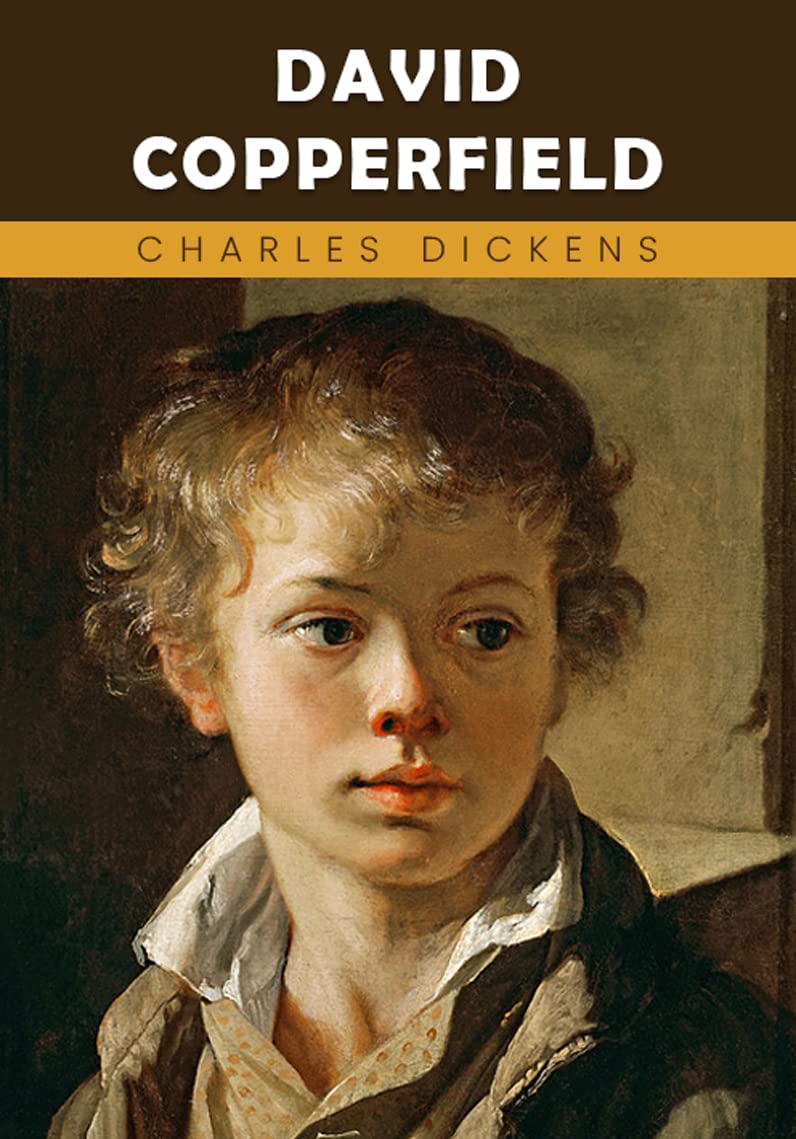
Told with wit, tenderness, and hard-won clarity, David Copperfield follows one life from vulnerable childhood to self-made adulthood, revealing how love, loss, friendship, and ambition shape a person—and how a storyteller learns to claim his own name.

Drawn to sea to cure a “damp, drizzly November” of the soul, Ishmael signs aboard the Pequod, where one captain’s monomaniacal pursuit of a white whale turns an epic voyage into a searching meditation on fate, faith, and obsession.

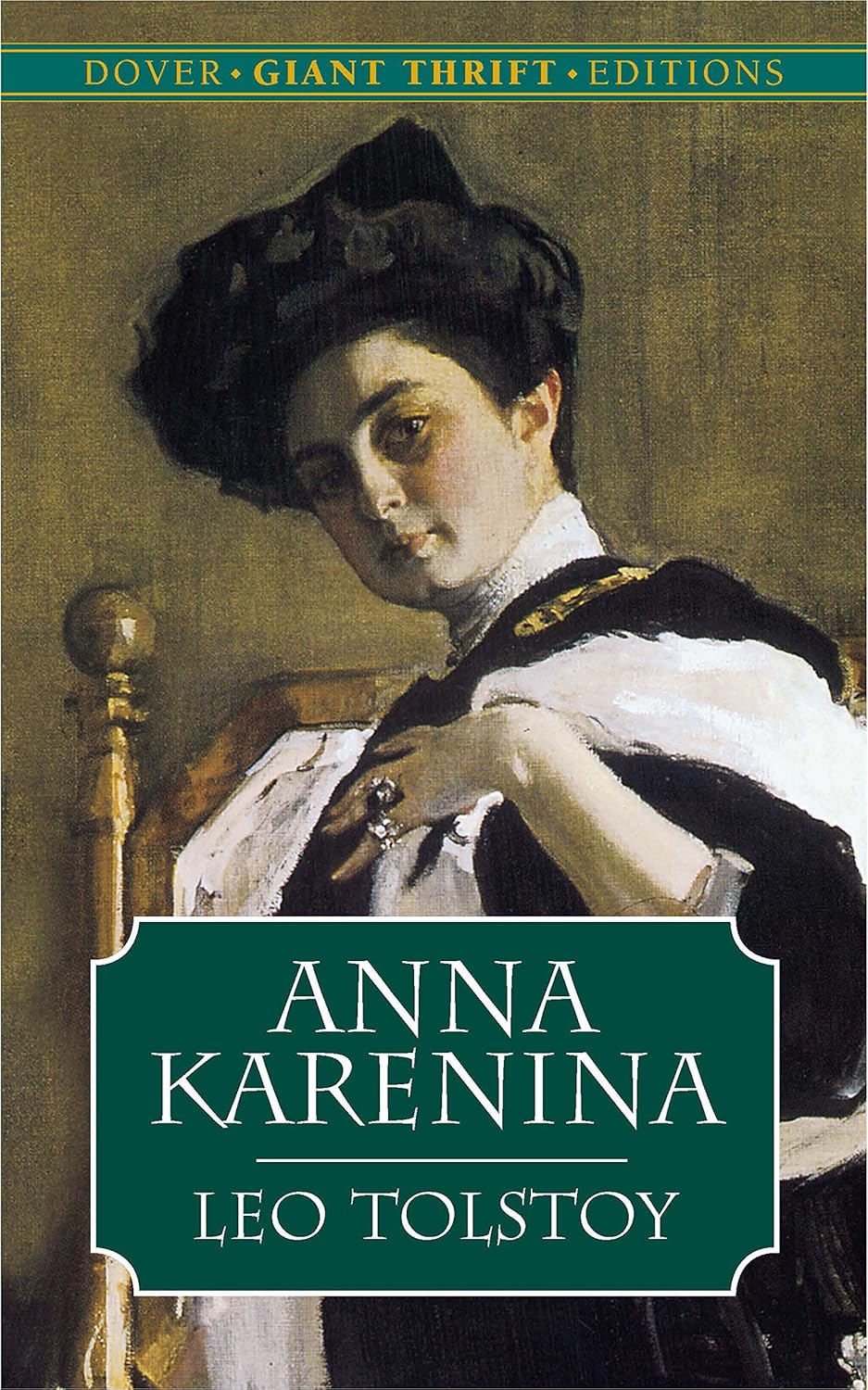
When a single betrayal throws one household into chaos, Tolstoy opens a vast, glittering world where love collides with duty, desire with propriety, and private choices ripple outward—testing marriages, friendships, faith, and the very meaning of a good life.

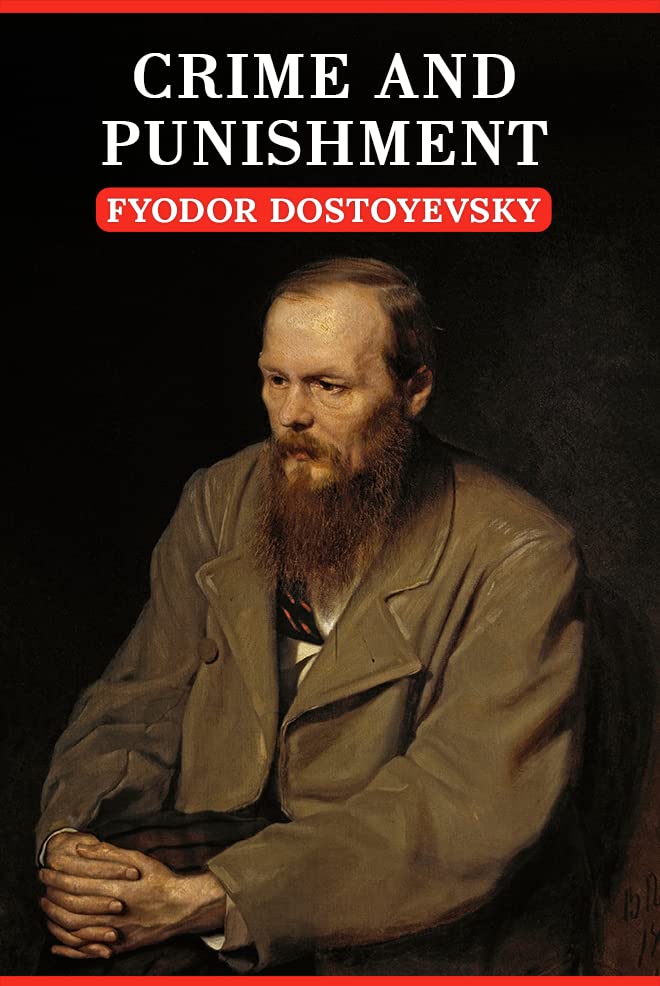
In the fevered heat of St. Petersburg, a broke former student tests the boundaries of conscience and daring, only to discover that the most relentless pursuit is not by police—but by the mind and soul that cannot escape itself.

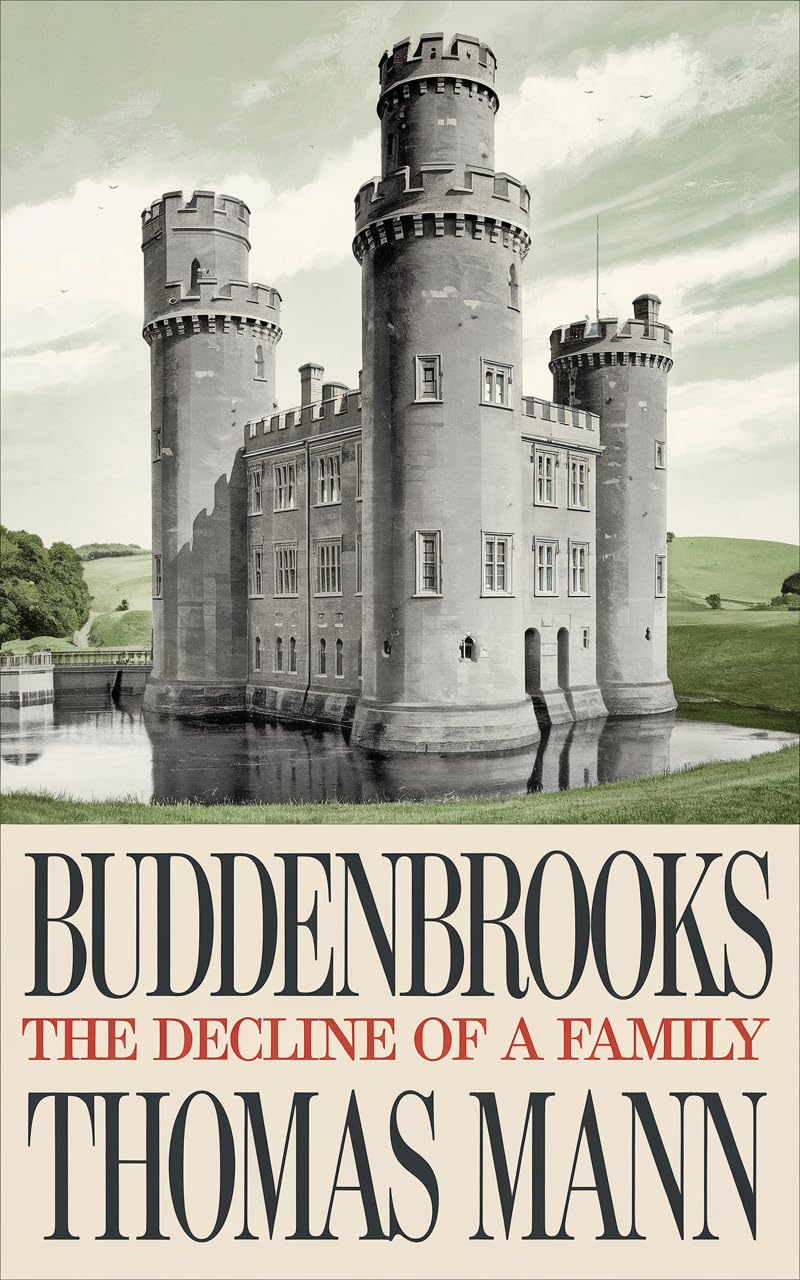
In a handsome merchant house in Lübeck, laughter, etiquette, and prosperity mask subtle fractures—until ambition, pride, and time itself begin to erode the Buddenbrooks’ fortunes, binding each generation to choices that quietly hasten a family’s fall.

In a future where babies are engineered on assembly lines and happiness is enforced by conditioning and pleasure, one man’s unease cracks the glossy surface—exposing what a society gains, and loses, when comfort replaces conscience, art, and freedom.

From a bishop’s startling act of mercy to the long shadow it casts across lives marked by poverty, love, law, and revolution, Hugo’s epic asks what it means to be just—and whether compassion can outlast cruelty.

Sweeping from glittering Petersburg salons to the thunder of Napoleon’s battlefields, Tolstoy follows a web of families whose loves, ambitions, and doubts are tested as history tightens around them—and asks what truly moves a human life.

In fog-choked London, a single, interminable lawsuit—Jarndyce and Jarndyce—spreads its shadow through parlours and slums alike, entangling lovers, orphans, aristocrats, and outcasts in a mystery where law becomes fate and compassion is the rarest justice.

Step past Frankenstein into Mary Shelley’s darker afterthoughts, where a youthful man drinks half an alchemist’s elixir and must endure the slow, bewildering cruelty of unending years, love’s corrosion, and the terrible loneliness of outliving everyone.

When a new bishop and his formidable wife descend on sleepy Barchester, old alliances shatter and new ambitions flare—until courtship, conscience, and ecclesiastical politics collide in a richly comic struggle for power, principle, and the soul of a cathedral town.

On a bitter London Christmas Eve, the miser Ebenezer Scrooge is confronted by the ghost of his dead partner—and forced into a night of visions that will measure the true cost of a life lived without compassion or joy.

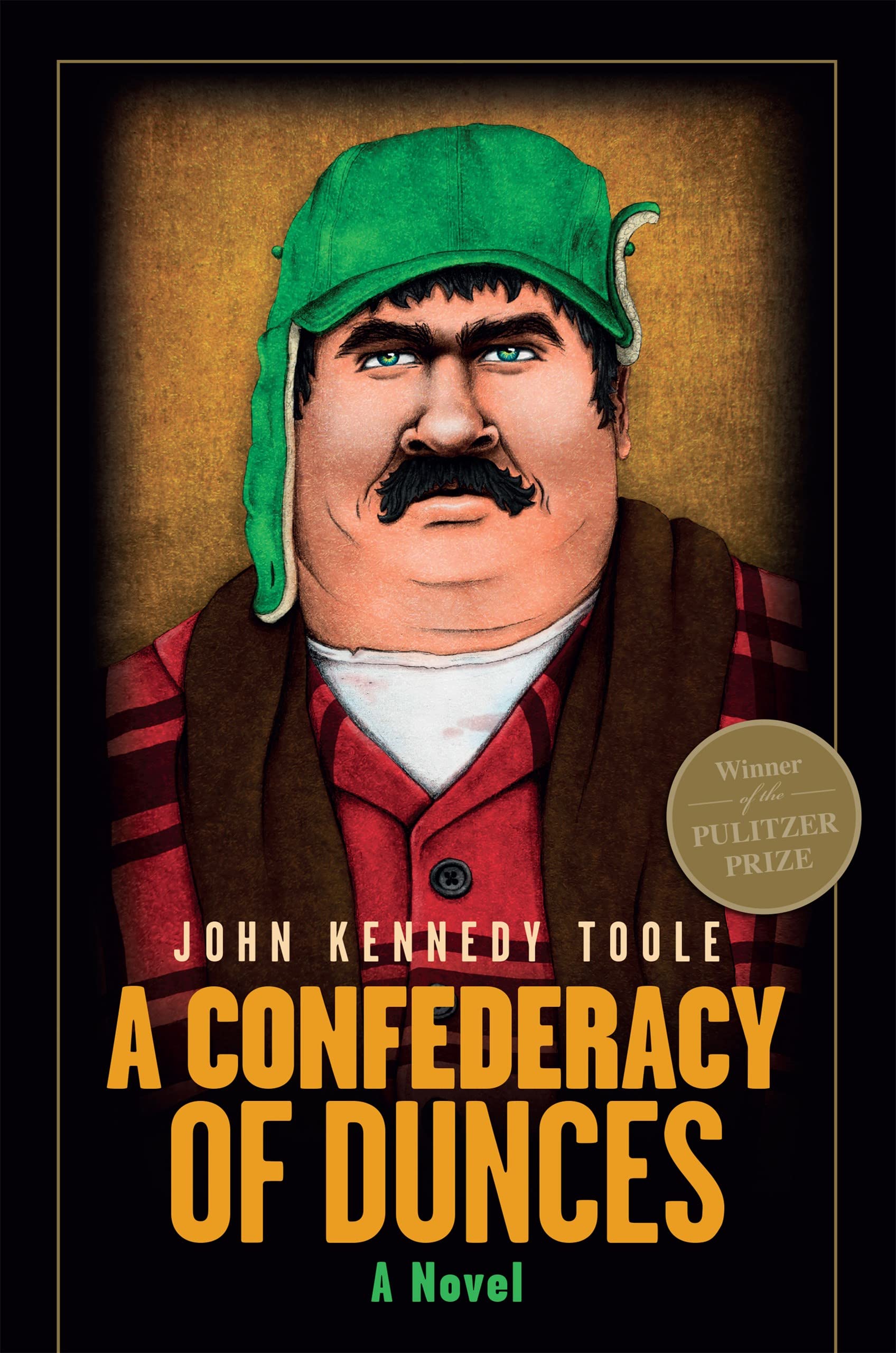
When eccentric, overeducated, and spectacularly unhireable Ignatius J. Reilly collides with the streets of 1960s New Orleans, his crusade against modern “degeneracy” sparks a chain of disasters—hilarious, bitter, and strangely tender—that keep widening far beyond his control.

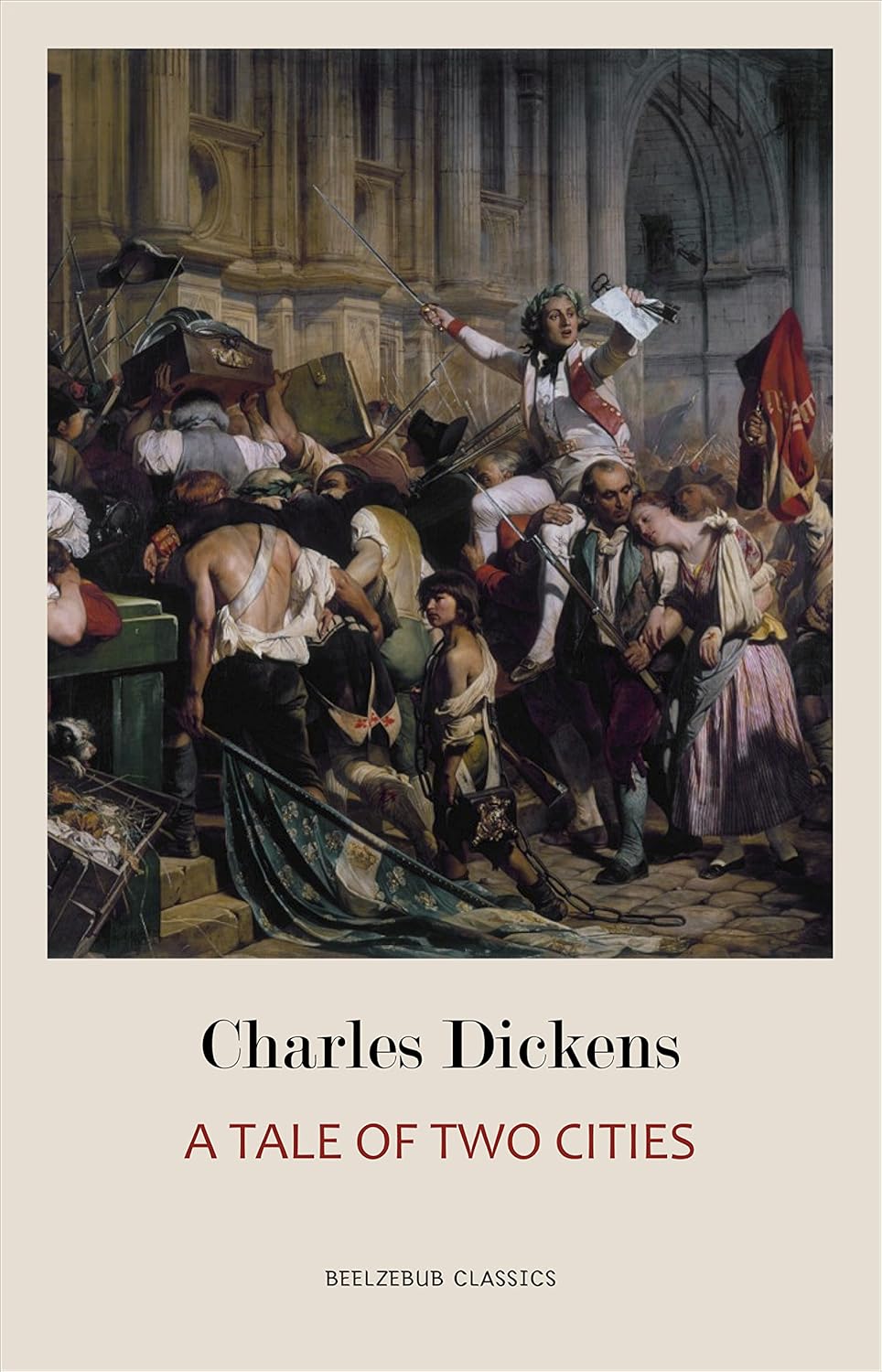
Amid the gathering storm of the French Revolution, a cryptic message—“Recalled to life”—draws a London banker into a web of buried secrets, divided loyalties, and sacrifices so profound they remake what love, justice, and redemption can mean.