If You're Curious About These Questions...
You should listen to this audiobook
- Did you know that certain foods act as biological 'cleaners' that can help your body eliminate the 'zombie cells' responsible for aging?
- What if you could flip a cellular switch to slow down your biological clock using nothing but evidence-based lifestyle changes?
- Have you ever wondered which popular anti-aging trends are actually myths, and what the latest science reveals is the true secret to living a vibrant life past 100?
Listen to How Not to Age — Free Audiobook
Loading player...
Key Takeaways from How Not to Age
- Understand the four critical biological phenomena—oxidative stress, autophagy, telomeres, and senescence—that drive the aging process and cause cellular dysfunction.
- Learn how to combat oxidative stress by triggering autophagy, your body's natural housekeeping process that recycles damaged proteins when excess fuel runs low.
- Discover the delicate balance of cellular senescence, a protective mechanism that stops cancer growth but can eventually cause chronic inflammation and tissue damage as you age.
- Find out why the most effective anti-aging diet focuses on the nutrient-dense whole foods you should add to your plate, rather than focusing only on what to cut out.
- Uncover the profound life-extending benefits of specific dietary choices, such as how eating nuts just twice a week can provide longevity effects equivalent to jogging four hours a week.
Learning Tools
Reinforce what you learned from How Not to Age
Mind Map
How Not to Age
Biological Processes of Aging+
Foods to Eat More Of+
Foods to Eat Less Of+
Beverages for Longevity+
Lifestyle Factors+
Quiz — Test Your Understanding
Question 1 of 7
According to the text, what triggers the cellular cleanup process known as autophagy?
Question 2 of 7
What is the primary drawback of cellular senescence as we age?
Question 3 of 7
Which dietary habit does the text compare to the life-extending effects of jogging four hours a week?
Question 4 of 7
According to the book's dietary recommendations, what surprising finding is revealed about consuming eggs?
Question 5 of 7
How does the text explain the demographic studies that suggest drinking a glass of wine with dinner extends lifespan?
Question 6 of 7
What does the text clarify about our need for sleep as we grow older?
Question 7 of 7
How does regular physical activity directly influence the biological mechanisms of aging?
How Not to Age — Full Chapter Overview
- 1Recommendation
- 2What Does Aging Mean?
- 3Telomeres and Cellular Senescence
- 4Foods to Eat More Often
- 5Foods to Eat Less Often
- 6From Water to Wine
- 7Lifestyle Factors That Matter
- 8Final summary
How Not to Age Summary & Overview
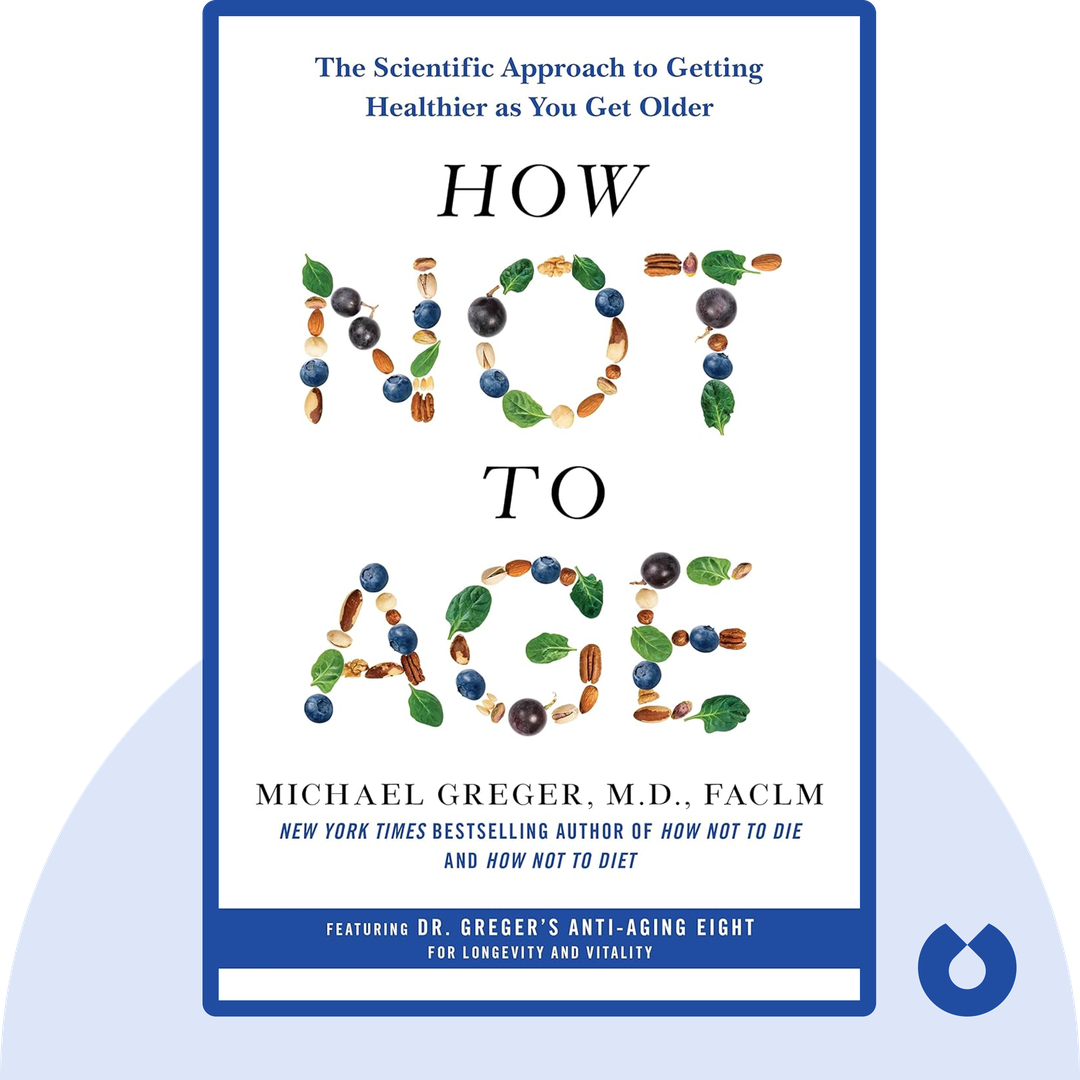
How Not to Age (2021) delves into the scientific understanding of the aging process, exploring biological mechanisms and lifestyle choices that can influence longevity and vitality. It offers a comprehensive look at research-based strategies, from diet and exercise to sleep and stress management, to slow down aging and improve overall health. Get practical advice, debunk the myths, and discover effective, scientifically grounded approaches to aging well.
Who Should Listen to How Not to Age?
- Health enthusiasts
- People who plan to live past 100
- Anyone curious about separating myth from fact in the anti-aging industry
Books Similar to How Not to Age
Readers who enjoyed this also liked these titles.