If You're Curious About These Questions...
You should listen to this audiobook
- Have you ever wondered why common medical recommendations—from what we eat to how we give birth—often persist even when they are proven to be misguided?
- Did you know that 'medical groupthink' has been a driving force behind some of the biggest healthcare failures in history, including the opioid crisis?
- What if the secret to improving your health lies in uncovering the massive 'blind spots' that modern medicine is trained to ignore?
Listen to Blind Spots — Cinematic Audio Edition
Loading player...
Key Takeaways from Blind Spots
- Discover why it is crucial to challenge outdated medical advice and critically assess health recommendations that lack solid scientific evidence.
- Understand how early exposure to common allergens like peanuts actually builds immune tolerance and dramatically reduces a child's risk of developing severe allergies.
- Learn how unnecessary antibiotic prescriptions can destroy your body's microbiome and significantly increase the risk of chronic conditions like obesity, asthma, and learning disabilities.
- Uncover the truth behind the dietary cholesterol myth and see why inflammation from refined carbohydrates and sugars is the actual driver of heart disease.
- Find out how media-driven health panics, such as the unfounded fears over breast implants, can create medical blind spots that overshadow severe public health emergencies like the opioid crisis.
Learning Tools
Reinforce what you learned from Blind Spots
Mind Map
Blind Spots
Core Philosophy+
Peanut Allergy Epidemic+
Antibiotic Overuse+
Cholesterol Myth+
Rethinking Birth Practices+
Regulatory Missteps+
Other Dangerous Myths+
Quiz — Test Your Understanding
Question 1 of 7
What was the unintended consequence of the American Academy of Pediatrics' 2000 recommendation to delay introducing peanuts to children?
Question 2 of 7
According to the text, what is a significant long-term risk associated with giving antibiotics to children under the age of two?
Question 3 of 7
Based on modern research highlighted in the book, what is identified as a primary driver of heart disease, contrary to the outdated belief about dietary cholesterol?
Question 4 of 7
What is a proven benefit of delayed umbilical cord clamping mentioned in the text?
Question 5 of 7
How does the author use the 1990s FDA ban on silicone breast implants to illustrate a broader point about public health?
Question 6 of 7
Why does the author suggest reconsidering the automatic use of Tylenol to treat fevers?
Question 7 of 7
What recent finding challenges the long-held public health practice of adding fluoride to drinking water?
Blind Spots — Full Chapter Overview
- 1Recommendation
- 2How medical misinformation fueled the peanut allergy epidemic
- 3The hidden risks of overusing antibiotics
- 4The cholesterol and heart disease myth
- 5Rethinking childbirth practices for healthier babies and happier mothers
- 6The misplaced panic over breast implants and the overlooked opioid crisis
- 7Other medical myths that may harm your health
- 8Final summary
Blind Spots Summary & Overview
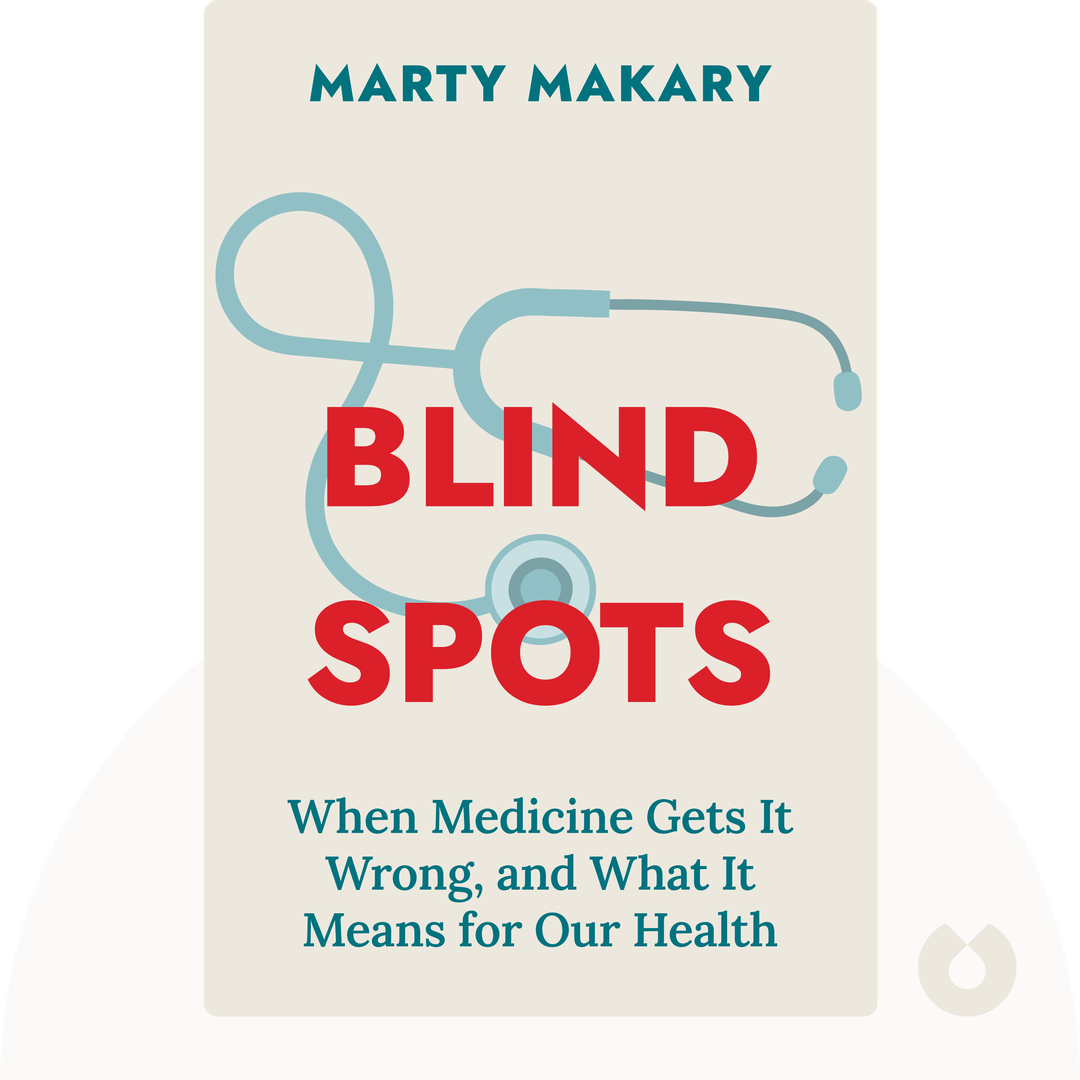
Blind Spots (2024) examines how modern medicine sometimes gets crucial issues wrong, leading to widespread public harm. It explores the consequences of medical groupthink, highlighting failures like the opioid crisis and misguided dietary advice, while advocating for a more transparent and evidence-based healthcare system. Through critical topics such as nutrition, childbirth, and the microbiome, it sheds light on the gaps in medical knowledge that continue to affect patient outcomes
Who Should Listen to Blind Spots?
- Healthcare professionals seeking to improve patient-centered care approaches
- Medical students interested in understanding systemic issues in healthcare
- Anyone curious about healthcare costs and reform efforts
Books Similar to Blind Spots
Readers who enjoyed this also liked these titles.