If You're Curious About These Questions...
You should listen to this audiobook
- Did you know that some birds engage in complex social play and sophisticated games that challenge everything we thought we knew about the avian mind?
- Have you ever wondered what’s really happening inside the brain of a bird as it navigates the high-stakes world of parenting, hunting, and even communication?
- What’s the secret behind the extraordinary problem-solving skills found in birds as different as the ravens of the north and the magpies of the Australian suburbs?
Listen to The Bird Way — Free Audiobook
Loading player...
Key Takeaways from The Bird Way
- Understand the fundamental difference between birds and mammals, which comes down to their egg-laying reproduction rather than a lack of intelligence or environmental manipulation.
- Discover how remarkably clever birds manufacture complex tools, such as the New Caledonian crows that combine multiple sticks into compound devices to extract hidden grubs.
- Learn how ingenious raptors like Australia's 'firehawks' intentionally spread wildfires by dropping smoldering branches to flush out fleeing prey.
- Find out how opportunistic birds use a freeloading strategy called kleptoparasitism to safely snatch up insects driven out of hiding by deadly army ant swarms.
- Explore the extraordinary problem-solving abilities of diverse bird species, from herons using insect lures to woodpecker finches modifying cacti spikes into improvised spears.
Learning Tools
Reinforce what you learned from The Bird Way
Mind Map
The Bird Way
Defining Avian Differences+
Foraging and Tool Use+
Environmental Manipulation+
Play and Intelligence+
Nests and Incubation+
Protecting Offspring+
Diverse Parenting Models+
Quiz — Test Your Understanding
Question 1 of 9
What is the one universal trait mentioned in the text that distinguishes birds from mammals?
Question 2 of 9
What does the tool-making ability of the New Caledonian crow suggest about its cognitive skills?
Question 3 of 9
Why do some raptors in northern Australia intentionally spread fires by dropping smoldering sticks?
Question 4 of 9
How do 'ant follower' birds, such as the ocellated antbird, benefit from army ant swarms?
Question 5 of 9
Besides honing vital life skills, what is another scientific explanation for why ravens engage in playful behavior?
Question 6 of 9
How does the Australian brush turkey ensure its eggs are kept warm enough to develop?
Question 7 of 9
What strategy does the piping plover use to protect its nest from approaching predators?
Question 8 of 9
Under what circumstance might a female Eclectus parrot choose to kill her male offspring?
Question 9 of 9
According to biologist Richard Dawkins, what is a likely evolutionary explanation for interspecific parenting (raising the young of different species)?
The Bird Way — Full Chapter Overview
- 1Recommendation
- 2Birds use tools to access scarce, precious food resources.
- 3Fire aids birds of prey in finding food, with some raptors igniting their own blazes.
- 4Ant followers freeload on ant raids to get their daily meal.
- 5Ravens are exceptionally playful birds.
- 6All birds lay eggs, yet no two species’ eggs or nests are alike.
- 7Birds employ many different strategies to defend their nests and eggs.
- 8Birds embrace a vast variety of parenting models.
The Bird Way Summary & Overview
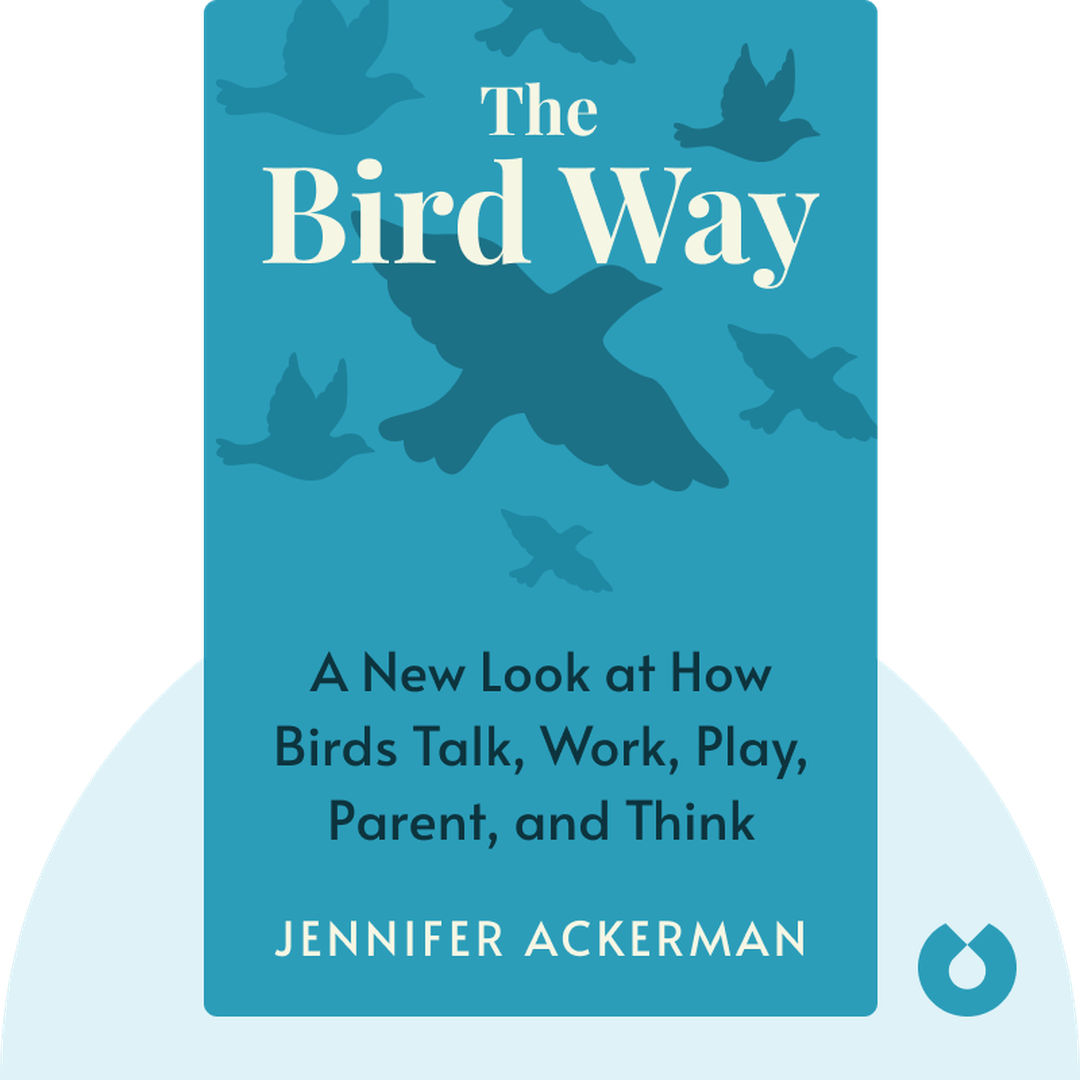
The Bird Way (2020) is a study of birds that harnesses both the expertise of the scientist and the joy of the birdwatcher. A celebration of the mind-boggling diversity of birds and their behavior, it explores the globe in pursuit of the inner workings of the avian mind. From Costa Rica’s teeming rainforests to the magpie-menaced suburbs of Australian cities, it explores how birds as different as ant followers, parrots, raptors, and ravens play, parent, and hunt.
Who Should Listen to The Bird Way?
- Birdwatchers
- Scientists
- Nature lovers
Books Similar to The Bird Way
Readers who enjoyed this also liked these titles.