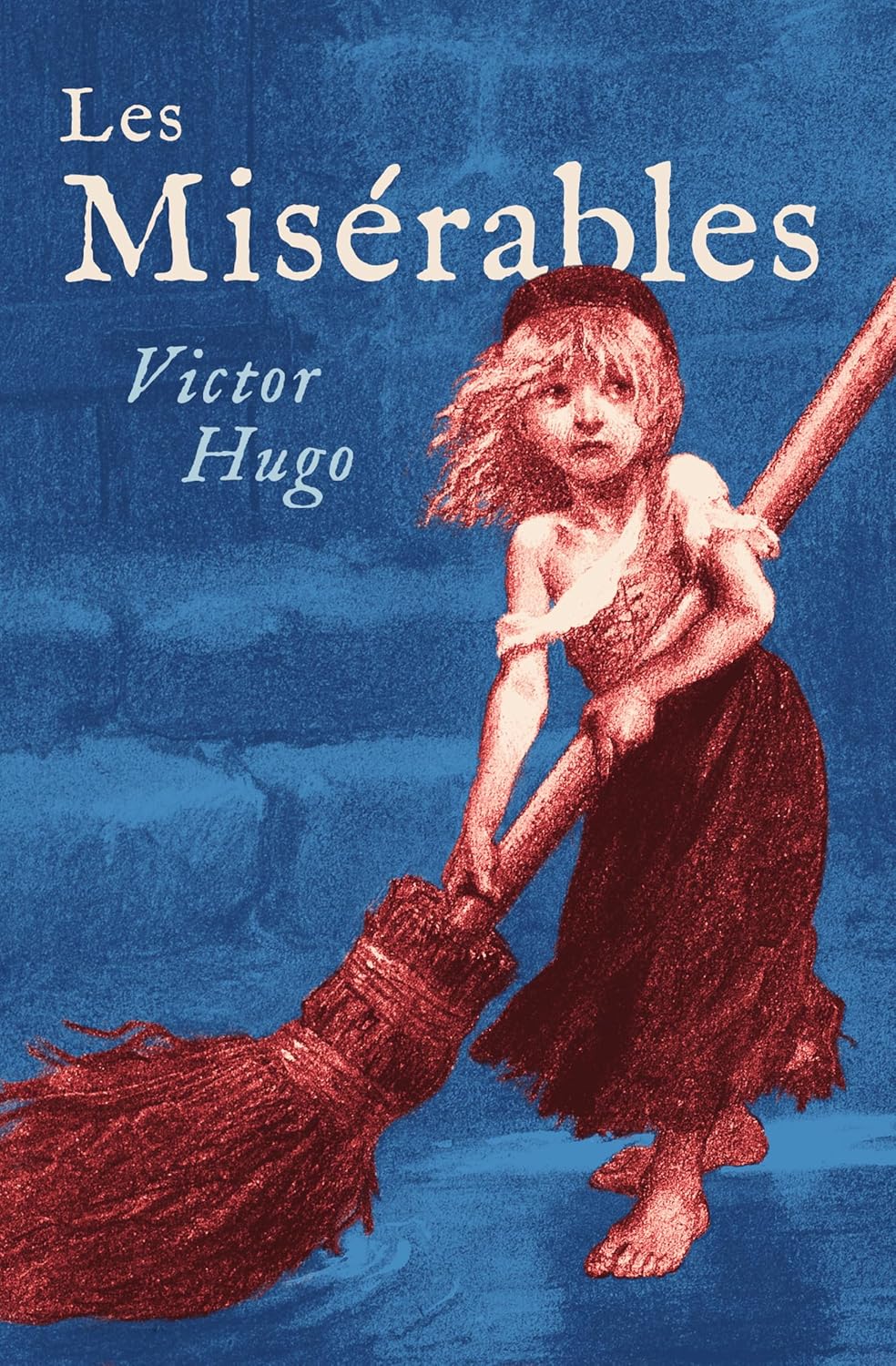
Victor Hugo conceived *Les Misérables* in the 1830s, but the bulk of the monumental novel was written during his political exile on the Channel Island of Guernsey, following Napoleon III's coup d'état. Finally published in 1862, the narrative is inextricably linked to the volatile socio-political landscape of nineteenth-century France. Spanning from the aftermath of Waterloo in 1815 to the tragic June Rebellion of 1832, the era was defined by rapid industrialization, staggering wealth disparities, and a draconian justice system. Hugo utilized this turbulent backdrop to fiercely critique the systemic failures of French society, specifically targeting the brutal penal code and the inescapable cycle of poverty that exploited the vulnerable working class.
Upon its release, the novel was a massive commercial triumph, aided by an unprecedented international marketing campaign. However, it immediately became a lightning rod for controversy. Conservative factions were outraged by Hugo’s sympathetic portrayal of a convicted felon and a prostitute, condemning the book as a subversive, pro-socialist text that threatened the social order. Conversely, some literary contemporaries, including Gustave Flaubert and Charles Baudelaire, criticized the work from an artistic standpoint, dismissing it as overly sentimental and heavily moralizing.
Despite the polarizing reception of its time, *Les Misérables* achieved a profound and lasting impact on both literature and society. It elevated the social novel, demonstrating that fiction could serve as a powerful catalyst for empathy and concrete political reform. By framing universal themes of grace, redemption, and human rights against the struggles of the marginalized, Hugo created a masterpiece that transcended its specific historical moment. Today, it remains a cornerstone of the Western literary canon, its legacy continually revitalized by countless adaptations that prove its themes of resilience and justice are timeless.