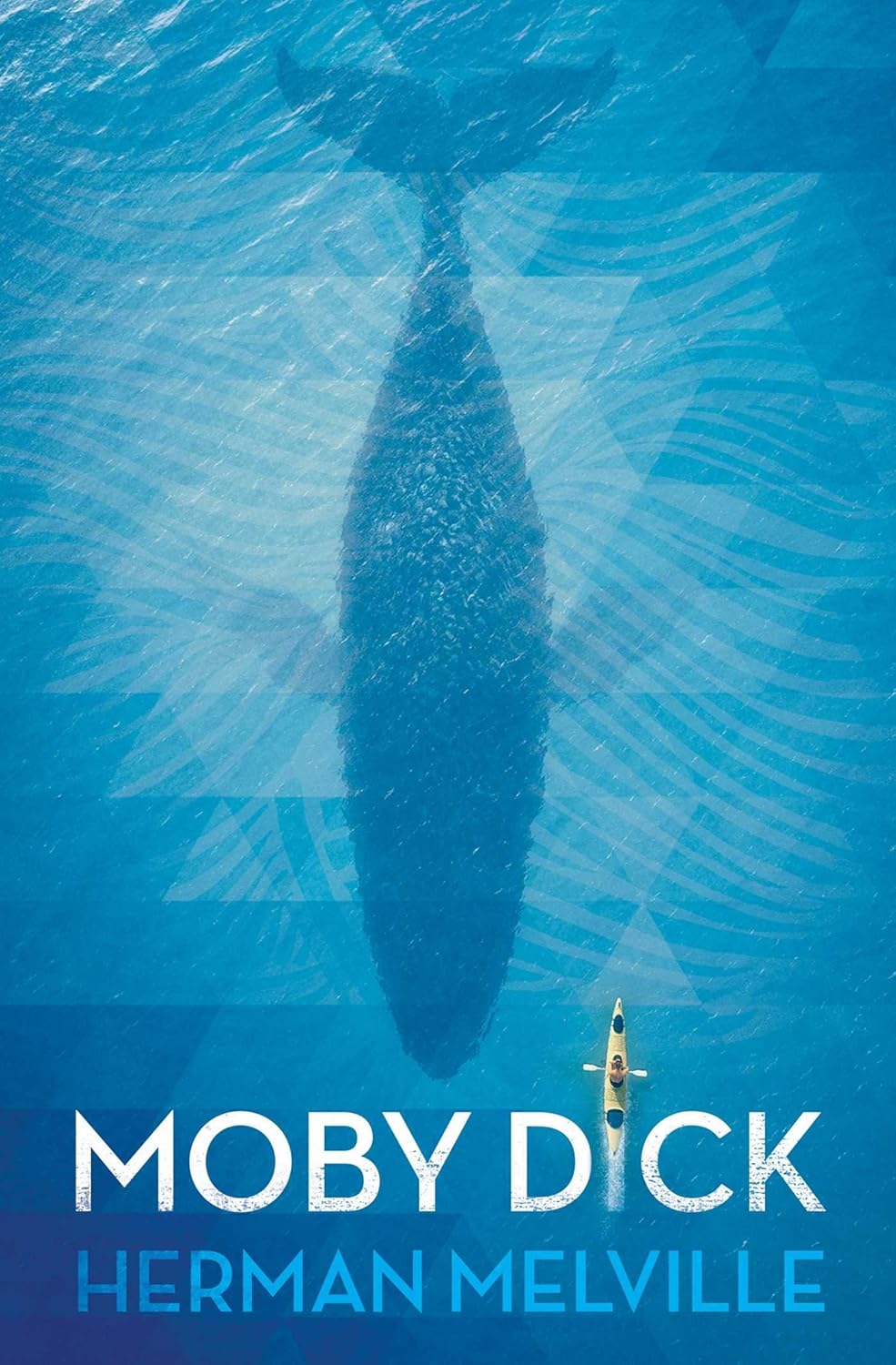
Herman Melville wrote *Moby-Dick; or, The Whale* primarily between 1850 and 1851 at Arrowhead, his farmhouse in Pittsfield, Massachusetts, and in New York City. Published in 1851, the novel emerged during the American Renaissance, a period characterized by a burgeoning national literary identity. The mid-nineteenth century was also the golden age of the American whaling industry, which provided the vital oil that illuminated homes and lubricated the machinery of the early Industrial Revolution. Against this backdrop of rapid industrialization, religious shifting, and expansionist fervor, Melville wove a narrative that grappled with the dark undercurrents of American manifest destiny, the limits of human knowledge, and the existential anxieties of a rapidly modernizing world.
Upon its initial release, *Moby-Dick* was met with profound bewilderment and commercial failure. Readers and critics, anticipating a straightforward maritime adventure akin to Melville’s earlier successes like *Typee*, were alienated by the novel’s exhaustive cetological digressions, dense philosophical inquiries, and unorthodox, shifting narrative structures. The British edition further complicated matters by accidentally omitting the novel’s epilogue, leading critics to mockingly question how the narrator survived to tell the tale. Consequently, the book fell into obscurity, and Melville died largely forgotten by the literary establishment.
However, during the "Melville Revival" of the 1920s, the novel was rediscovered by modernist writers and critics who finally recognized its visionary genius. Today, *Moby-Dick* is celebrated as a foundational pillar of the American literary canon. Its ambitious blending of genres, psychological depth, and exploration of obsessive ambition have left an indelible mark on global literature, paving the way for twentieth-century modernism. The white whale remains one of the most enduring cultural symbols of nature's indifferent power and humanity's destructive hubris, ensuring the novel's continued resonance in contemporary society.