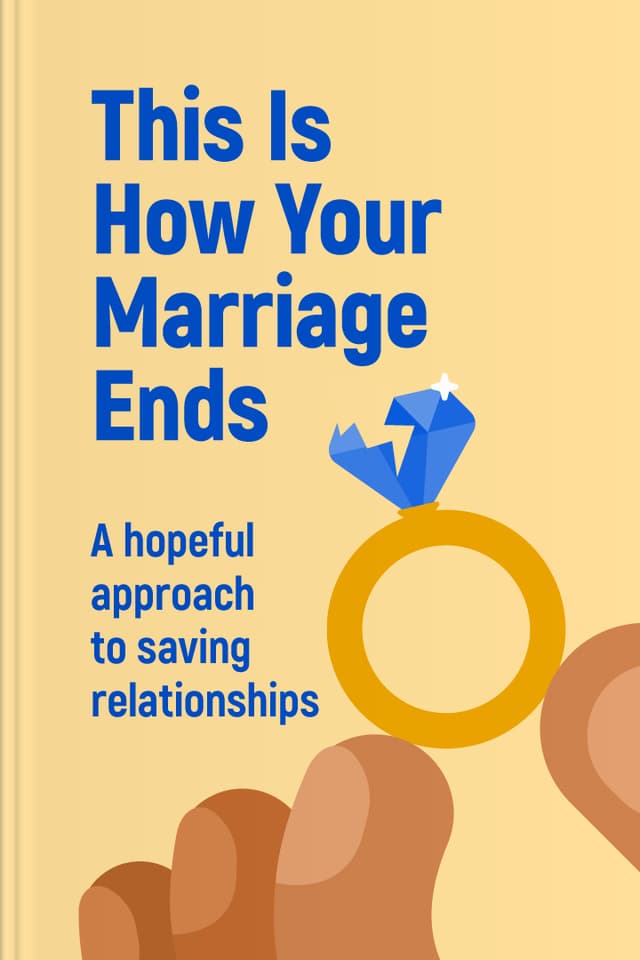
If You're Curious About These Questions...
You should listen to this audiobook
- Did you know that it’s often not a major betrayal that ends a marriage, but a series of tiny, invisible habits that chip away at your partner's trust every single day?
- Have you ever wondered why some couples are trapped in a loop of the 'same old fight,' and how the 'invalidation triple threat' might be the hidden culprit?
- What if the secret to saving your relationship isn't about being perfect, but about learning simple tools to stop accidental emotional damage before it starts?
Listen to This Is How Your Marriage Ends
What You'll Learn from This Is How Your Marriage Ends
- — The Tiny Cracks That Can Break Trust
- — Redefining Strength and Learning the Skills of Marriage
- — The Invalidation Trap That Turns Conflict Toxic
- — Repairing the Pattern: Respectful Conflict and New Rituals
- — Unmet Needs, Lost Safety, and the “Same Fight” Loop
This Is How Your Marriage Ends Chapter Overview
Chapter 1: AudiobookHub Recommendation
Chapter 2: — The Tiny Cracks That Can Break Trust
Chapter 3: — Redefining Strength and Learning the Skills of Marriage
Chapter 4: — The Invalidation Trap That Turns Conflict Toxic
Chapter 5: — Repairing the Pattern: Respectful Conflict and New Rituals
Chapter 6: — Unmet Needs, Lost Safety, and the “Same Fight” Loop
Chapter 7: — Curiosity, Vulnerability, and the Art of Truly Knowing Someone
Chapter 8: — Choosing Skill Over Fate, and Building Love on Purpose
About This Is How Your Marriage Ends
This warm, practical narration explores why many relationships don’t break because of one huge betrayal, but because of tiny moments that chip away at trust—moments that are easy to dismiss, hard to notice, and painful to live through. You’ll hear about patterns like the “invalidation triple threat,” where one partner devalues the other’s thoughts, feelings, or lived experience, and how that pattern can quietly become a loop couples can’t escape.
Along the way, the script offers a supportive reframing of common assumptions about marriage and masculinity, encourages healthier conflict habits, and brings in simple tools—like curiosity, careful language, and connection rituals—to help partners feel seen, safe, and valued. The goal isn’t perfection. It’s steady, compassionate skill-building that helps love last.
Who Should Listen to This Is How Your Marriage Ends
- Couples who keep having “the same fight” and want a kinder, more productive way to handle conflict
- People who feel blindsided by relationship tension and want to understand the small moments that build—or break—trust
- Anyone who wants practical communication skills: listening, validating, and offering criticism without attacking the person
More Books Like This Is How Your Marriage Ends
Readers who enjoyed this also liked these titles.

Born from the rivalries of ancient Chinese states and sharpened by hard-won experience, this concise treatise turns war into a study of mind, timing, and advantage—teaching how to prevail through discipline, deception, and superior strategy rather than brute force alone.
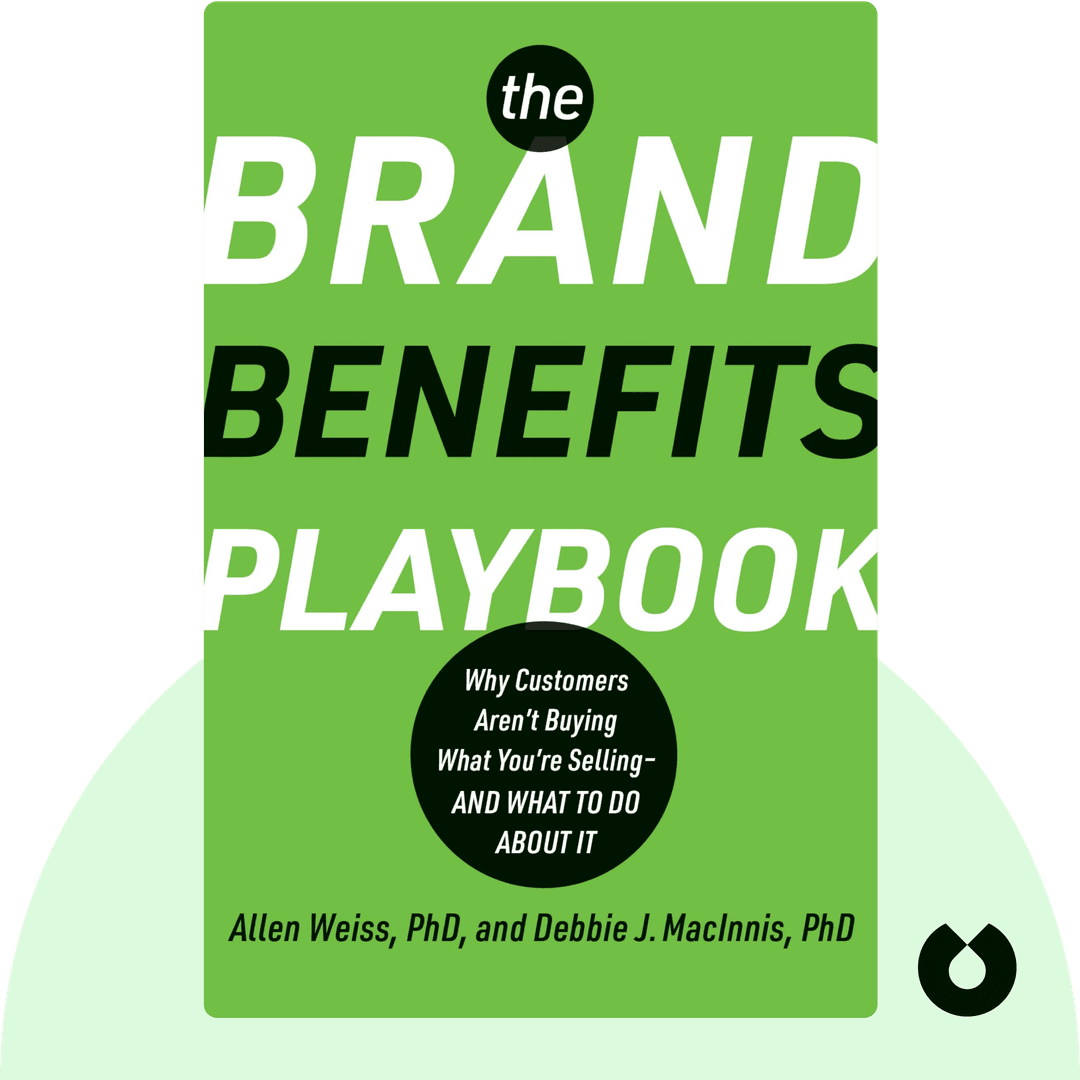
Why Customers Aren't Buying What You're Selling-And What to Do About It

A Memoir

Getting Things Done with Others