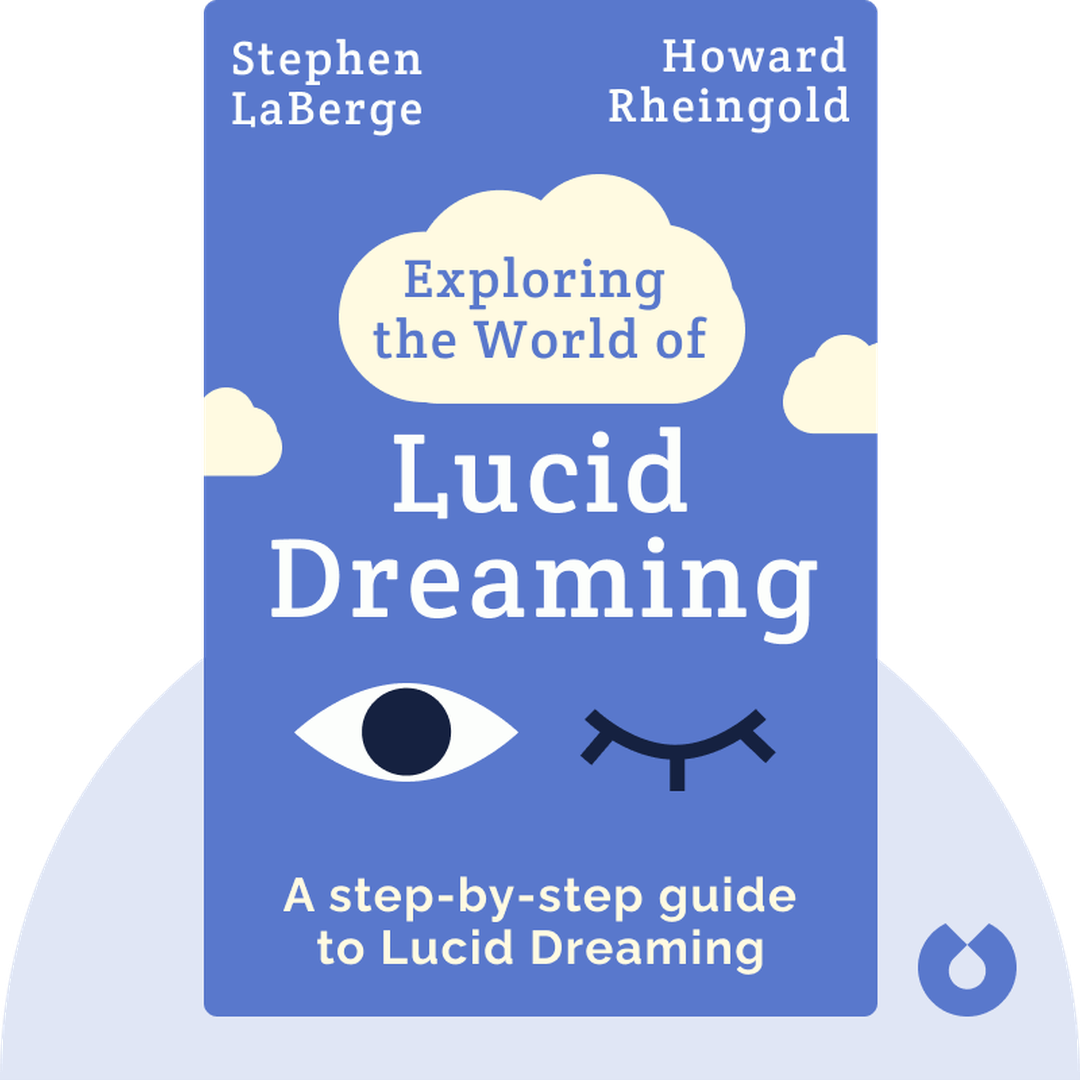
If You're Curious About These Questions...
You should listen to this audiobook
- What if you could treat your hours of sleep as a conscious playground where you have the power to rehearse real-life skills and explore the impossible?
- Did you know that there are specific mental triggers you can use to wake up inside your dreams and take full control of your subconscious world?
- Are you curious about how mastering the art of lucidity can help you permanently overcome recurring nightmares and unlock hidden creative potential?
Listen to Exploring the World of Lucid Dreaming — Free Audiobook
Loading player...
Key Takeaways from Exploring the World of Lucid Dreaming
- Understand how your brain constructs dreams entirely from internal information like memories and desires, freeing you from the physical limitations of waking life.
- Discover why keeping a dream journal is essential for tracking unusual occurrences, known as 'dream signs,' which help trigger your lucidity while asleep.
- Master the habit of asking yourself if you are dreaming during waking hours to develop a reality-testing mindset that naturally transfers into your subconscious.
- Learn how to seamlessly transition into Wake-Initiated Lucid Dreams (WILDs) by passively focusing on hypnagogic imagery without losing your waking consciousness.
- Find out how taking control of your dreams can yield practical benefits for your waking life, from improving physical skills to boosting your overall well-being.
Exploring the World of Lucid Dreaming — Full Chapter Overview
Chapter 1: Recommendation
Chapter 2: What you see, touch or smell when you are awake is stored for later use in your dreams.
Chapter 3: Keep a dream journal so you remember your dreams and recognize your dream signs.
Chapter 4: Ask yourself, “Am I dreaming?” while awake so you’ll ask it again when you’re asleep.
Chapter 5: If you keep your mind active while falling asleep, you can dream lucidly without losing consciousness.
Chapter 6: To control your lucid dreams, learn to stay asleep, stay lucid and wake up at will.
Chapter 7: Lucid dreams can improve mental health by uniting “imbalanced” parts of your personality.
Chapter 8: Lucid dreams can boost creative problem-solving and help fix issues in your waking life.
Chapter 9: Nightmares are born of fear, and when you face your fears in dreams, they disappear.
Exploring the World of Lucid Dreaming Summary & Overview
Exploring the World of Lucid Dreaming (1990) presents a step-by-step guide to the fascinating world of lucid dreams. It introduces various techniques on how to evoke lucidity and how lucid dreaming can be used to enrich your waking life.
Who Should Listen to Exploring the World of Lucid Dreaming?
- Psychologists studying the complex relationship of sleep and dreaming
- People who suffer from nightmares
- Students of cognitive science
Books Similar to Exploring the World of Lucid Dreaming
Readers who enjoyed this also liked these titles.
The Mind at Night
★ 4.4 / 5 • 95 ratingsThe New Science of How and Why We Dream
This Is Why You Dream
★ 4.3 / 5 • 153 ratingsWhat Your Sleeping Brain Reveals About Your Waking Life

The Interpretation of Dreams
★ 4.2 / 5 • 294 ratingsSigmund Freud’s influential cornerstone work
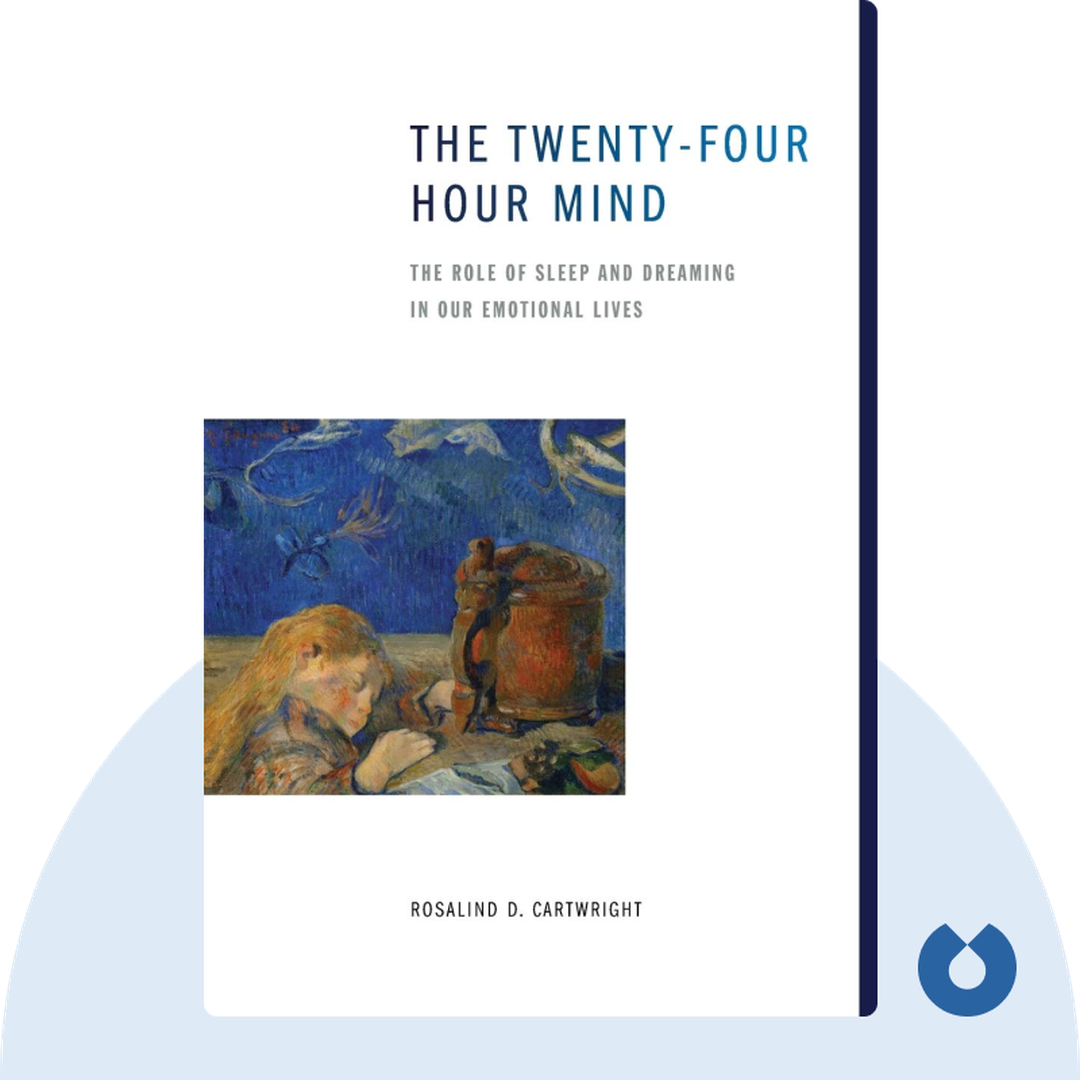
The Twenty-four Hour Mind
★ 3.8 / 5 • 57 ratingsThe Role of Sleep and Dreaming in our Emotional Lives