If You're Curious About These Questions...
You should listen to this audiobook
- Did you know that the 'cloud' isn’t actually in the sky, but is made up of thousands of miles of physical fiber-optic cables and massive buildings hidden in plain sight?
- Have you ever wondered how a single click on your computer travels across the bottom of the ocean through a network of literal 'tubes'?
- Are you curious about the secret, high-security exchange points where the world’s most powerful networks physically connect to one another?
Listen to Tubes — Free Audiobook
Loading player...
Key Takeaways from Tubes
- Discover how the internet is not just a magical cloud, but a massive physical infrastructure of fiber cables, routers, and giant hubs located in major global cities.
- Understand how the adoption of TCP/IP in 1983 acted as a universal language, allowing previously isolated networks to communicate and sparking the rapid growth of the web.
- Learn how the internet functions as a massive network of networks where direct physical cable connections between company routers dictate the loading speeds of your favorite websites.
- Find out why a small group of network operators dictate internet performance through direct peering agreements, and the massive outages that occur when they literally pull the plug.
- Explore the hidden underwater infrastructure that acts as the physical veins of the internet, tracing thousands of miles of deep-sea cables that connect our continents.
Learning Tools
Reinforce what you learned from Tubes
Mind Map
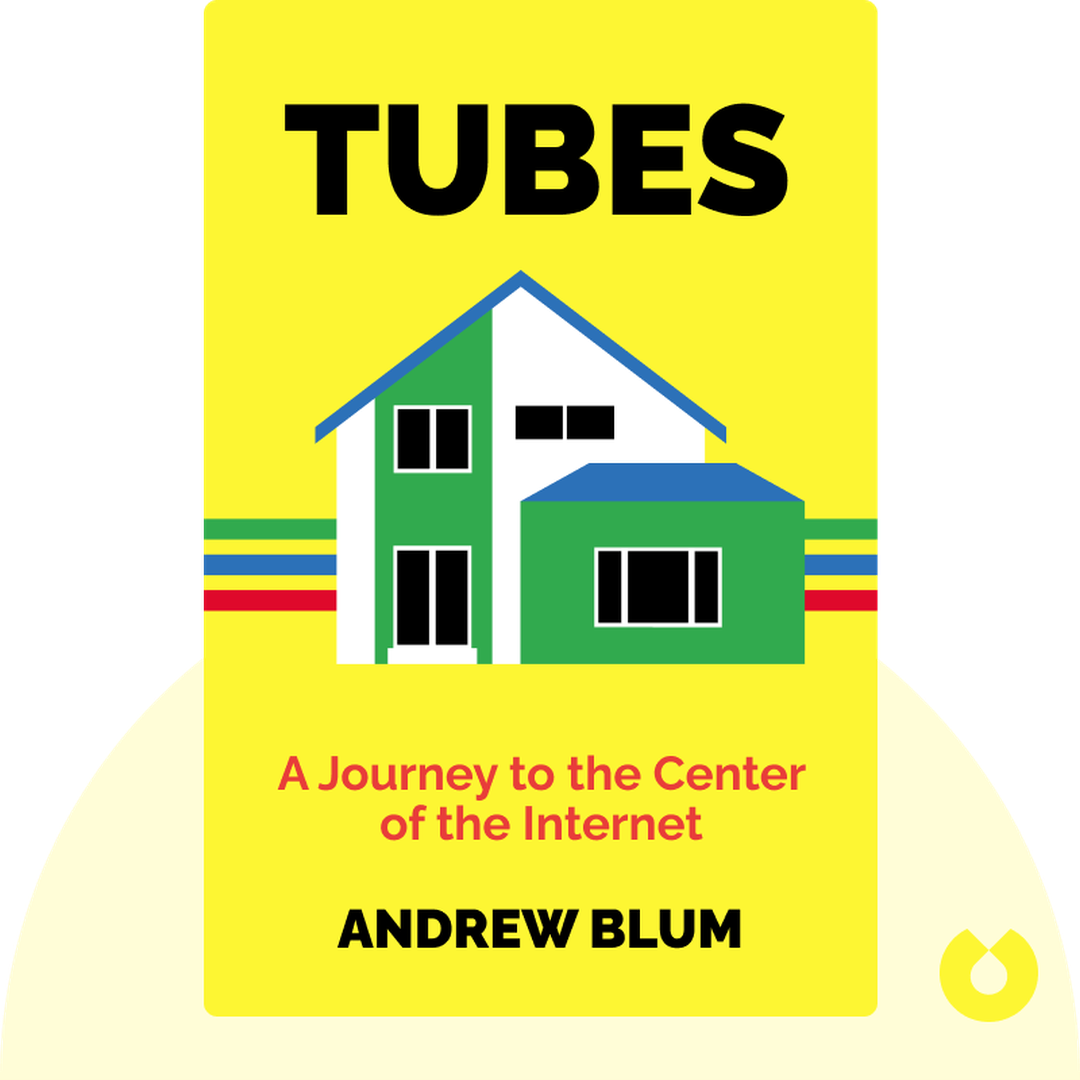
Tubes
The Physical Reality+
Internet Hubs+
Origins & Evolution+
Peering & Interconnectivity+
Underwater Cables+
Data Centers (The Cloud)+
Quiz — Test Your Understanding
Question 1 of 6
What is the fundamental physical reality of the internet, according to the book?
Question 2 of 6
What critical event in 1983 caused the internet to experience massive, exponential growth?
Question 3 of 6
Why is it highly beneficial for the internet to have a vast, densely interconnected 'network of networks'?
Question 4 of 6
In the context of the internet's infrastructure, what does the term 'peering' refer to?
Question 5 of 6
What poses a significant, real-world threat to the underwater cables that connect the global internet?
Question 6 of 6
How does the book describe the actual, physical reality behind 'the cloud'?
Tubes — Full Chapter Overview
- 1Recommendation
- 2The internet might seem virtual, but it depends on a handful of very real places.
- 3The internet began slowly but exploded in the 1980s.
- 4The internet is a network of networks – and the more of them there are, the better.
- 5A small group of people operate the internet, and they constantly seek to peer with one another.
- 6Submarine cables and data centers form the beating heart of the internet.
Tubes Summary & Overview
Tubes (2012) traces the origins of the internet, from its humble origins at a few US universities to its current superstructure status. You’ll find out about the physical components of the internet, including fiber cables, hubs and massive internet exchange points.
Who Should Listen to Tubes?
- Internet geeks
- People who want to understand how networks function
- Those curious about the relationship between geography and the internet
Books Similar to Tubes
Readers who enjoyed this also liked these titles.