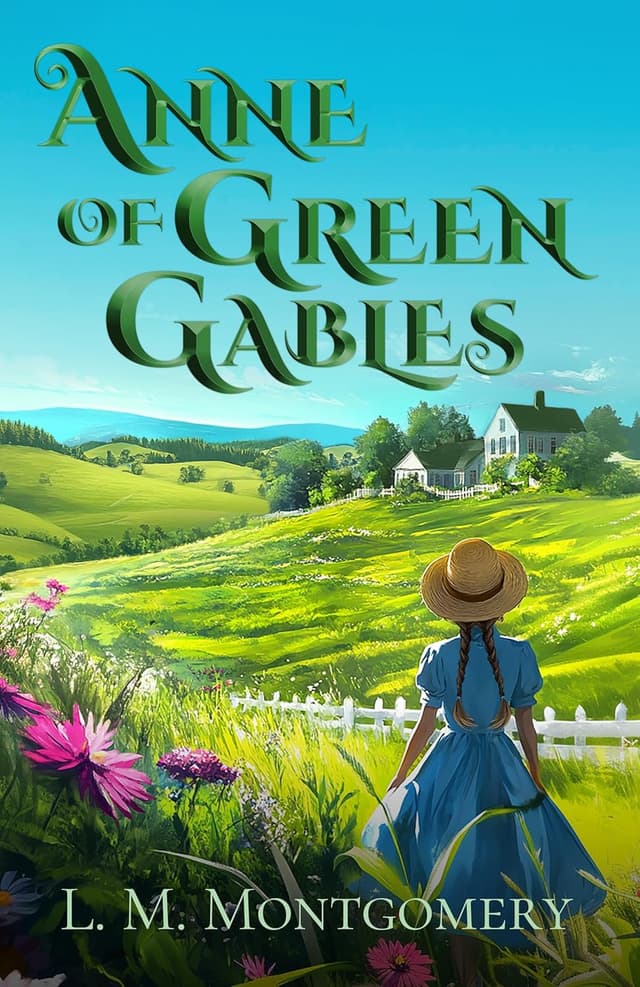
Written by Lucy Maud Montgomery in the rural farming community of Cavendish, Prince Edward Island, Canada, the novel was completed in 1905 and published in 1908. The story emerged during the Edwardian era, a period characterized by rigid social hierarchies and strict behavioral expectations. At the time, the prevailing cultural attitude dictated that children should be "seen and not heard," while young women were expected to be docile, practical, and solely focused on domestic duties. Montgomery drew heavily from her own experiences growing up as an orphan in late-nineteenth-century rural Canada, capturing the isolation and strict Presbyterian values of her community while challenging its rigid social codes.
Upon its publication, the novel was highly significant and mildly subversive. Anne Shirley, with her fiery temper, unabashed loquaciousness, and fierce independence, sharply contrasted with the pious, flawless child protagonists typical of Victorian and Edwardian moralistic literature. While some traditionalists found Anne’s outspoken nature and vanity mildly scandalous, readers were instantly captivated by her psychological complexity and authenticity. Mark Twain famously praised Anne as the "dearest and most moving and delightful child since the immortal Alice."
The book became an instant international bestseller, cementing its lasting impact on literature by pioneering a flawed, highly imaginative, and relatable female protagonist. Over a century later, the novel's legacy endures profoundly. It has been translated into dozens of languages and adapted into countless stage and screen productions. Culturally, it transformed Prince Edward Island into a global literary pilgrimage site and established Anne as an enduring feminist icon. Her celebration of female intellect, ambition, and the transformative power of a found family continues to resonate deeply with modern society.