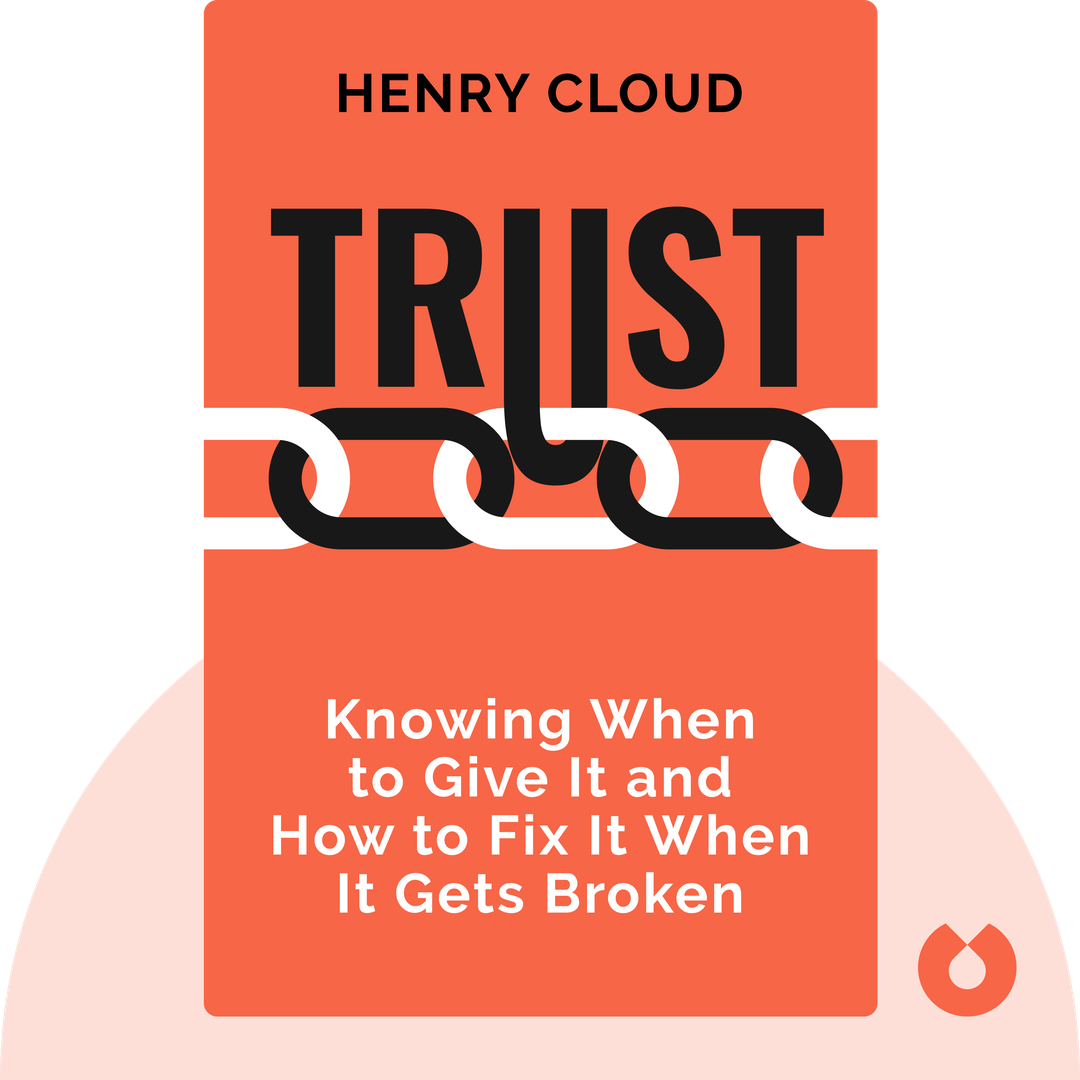
If You're Curious About These Questions...
You should listen to this audiobook
- What if you could master the five specific pillars that determine whether a person—or a business—is truly worth your trust?
- Have you ever wondered why some relationships thrive under pressure while others collapse, and what the invisible 'engine' is that makes the difference?
- Did you know that trust isn't just an abstract feeling, but a practical asset that can be systematically rebuilt even after it’s been broken?
Listen to Trust — Free Audiobook
Loading player...
Key Takeaways from Trust
- Understand why restoring mutual trust and a genuine love for your country is the foundational step required to overcome modern societal and institutional crises.
- Discover how systemic racism is deeply rooted in mutual distrust, and why achieving a secure society requires white Americans to actively dismantle racial inequality.
- Learn how cultivating social trust directly impacts economic prosperity, where even a slight increase in societal confidence measurably boosts capital income and employment rates.
- Trace the historical decline of public faith in government since the 1950s, and see how political deceit and unchecked social media have severely fractured institutional integrity.
- Recognize the life-threatening dangers of online conspiracy theories, and uncover why we must champion responsible, fact-checking journalism to combat misinformation and save our democracy.
Learning Tools
Reinforce what you learned from Trust
Mind Map
Trust
The Value of Trust+
The Five Ingredients of Trust+
Rebuilding Broken Trust+
Quiz — Test Your Understanding
Question 1 of 7
According to the text, what is a proven benefit of interpersonal trust at the national level?
Question 2 of 7
Why do hostage negotiators typically begin their interactions by focusing on empathy and active listening?
Question 3 of 7
In Dr. Cloud's five ingredients of trust, what does 'motive' specifically refer to?
Question 4 of 7
When choosing a cofounder for a startup, why might a trusted, lifelong friend still be a poor choice according to the text?
Question 5 of 7
Which of the following best describes the role of forgiveness when rebuilding broken trust?
Question 6 of 7
According to the steps for repairing trust, true reconciliation is only possible when you forgive and the other party does what?
Question 7 of 7
What is the final step in the six-step process for repairing broken trust?
Trust — Full Chapter Overview
- 1Recommendation
- 2Trust keeps life together
- 3Take small steps toward trust
- 4There are three additional ingredients for trust
- 5Rebuilding trust after it’s broken
Trust Summary & Overview
Trust (2023) is a sensitive and practical guide to this essential part of human relationships. It reveals the deep significance of trust as a factor in our lives and outlines the five essential elements for building and maintaining it.
Who Should Listen to Trust?
- Leaders who wish to create trust within organizations
- Those looking to establish deeper personal and familial relationships
- People who want to rebuild trust after it has been broken
Books Similar to Trust
Readers who enjoyed this also liked these titles.