If You're Curious About These Questions...
You should listen to this audiobook
- Did you know that an apology can sometimes do more harm than good when you’re trying to repair a broken bond?
- Have you ever wondered why we are often quicker to forgive a lapse in someone's competence than a lapse in their integrity?
- What’s the secret to rebuilding trust after a major betrayal, and is it truly possible for a relationship to emerge even stronger than before?
Listen to How Trust Works — Free Audiobook
Loading player...
Key Takeaways from How Trust Works
- Discover why humans naturally exhibit high levels of initial trust, challenging the traditional belief that people are inherently selfish and opportunistic.
- Understand the psychological underpinnings of trust and how societal norms, individual personalities, and rapid cognitive cues shape our willingness to be vulnerable.
- Learn how high initial trust acts as a self-fulfilling prophecy that actively encourages cooperative and ethical behavior in others.
- Find out why trust violations cause profound, long-lasting psychological impacts, driven by cognitive biases like loss aversion and learned hypersensitivity.
- Master the vital components of a genuine apology—including expressing true regret, providing clear context, and accepting deep responsibility—to effectively repair broken relationships.
Learning Tools
Reinforce what you learned from How Trust Works
Mind Map
How Trust Works
The Nature of Initial Trust+
The Ripple Effects of Broken Trust+
The Role of Apologies+
Group Dynamics and Conflict+
Healing Historical Atrocities+
Quiz — Test Your Understanding
Question 1 of 5
According to the book, what does research reveal about how people typically establish trust when meeting someone new?
Question 2 of 5
How does the psychological concept of "loss aversion" explain the profound impact of trust violations?
Question 3 of 5
In the context of trust repair, how does the nature of the violation affect the effectiveness of an apology?
Question 4 of 5
What does the book suggest is a viable solution to the dangers of group polarization and extremism in social media dynamics?
Question 5 of 5
What is the primary purpose of "transitional justice" mechanisms like South Africa's Truth and Reconciliation Commission?
How Trust Works — Full Chapter Overview
- 1Recommendation
- 2The complexity and importance of initial trust
- 3The far-reaching effects of broken trust
- 4How apologies help repair trust
- 5Group dynamics: The double-edged nature of trust and conflict
- 6Rebuilding trust: The long path to healing after historical atrocities
- 7Final summary
How Trust Works Summary & Overview
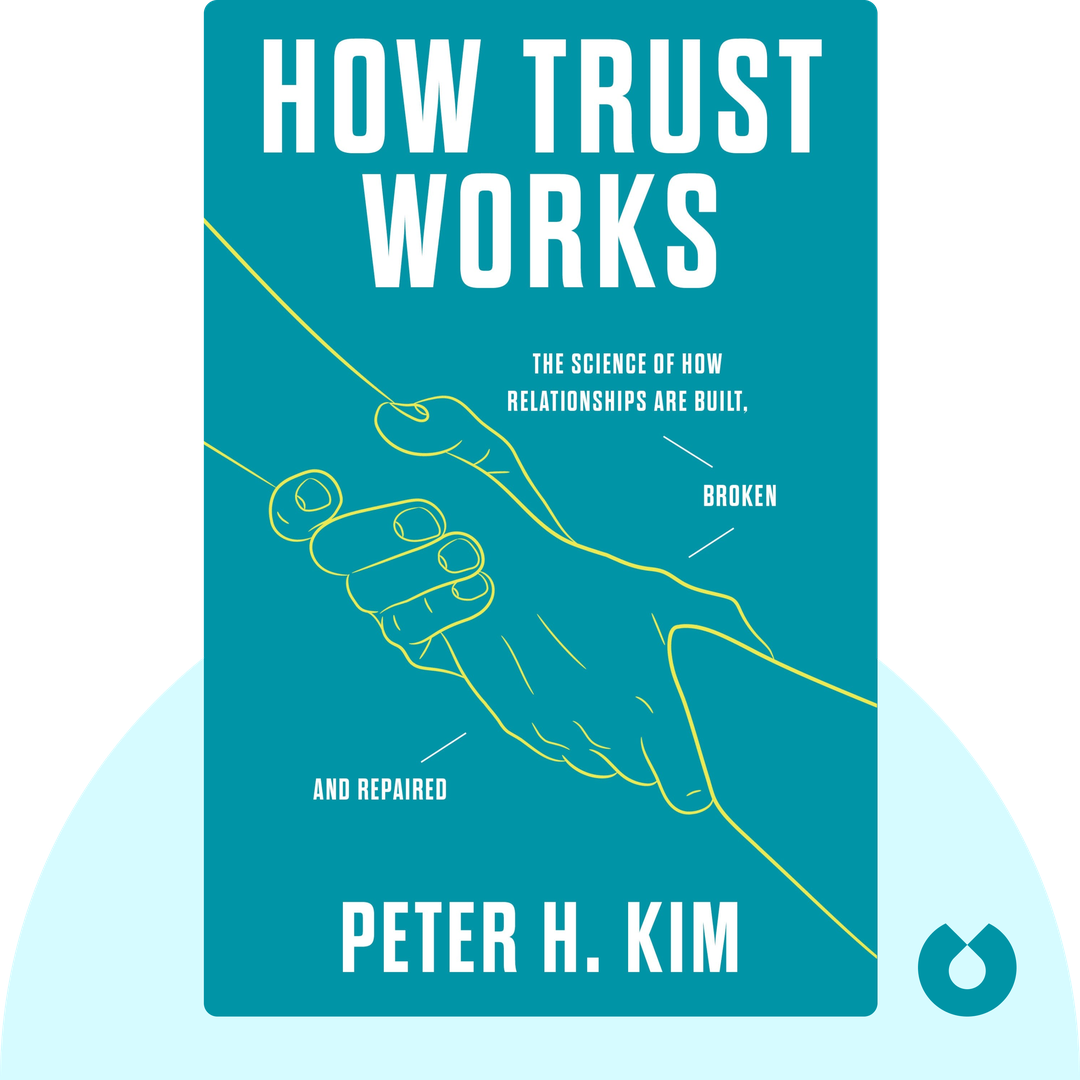
How Trust Works (2023) delves into the intricate dynamics of trust, exploring its fundamental role in forming, breaking, and repairing relationships. It offers a comprehensive guide to understanding how trust operates within personal and community connections, backed by extensive research in the field of trust repair.
Who Should Listen to How Trust Works?
- Relationship counselors and therapists seeking trust-building strategies
- Business leaders and managers focused on team cohesion
- Anyone interested in improving personal and professional relationships
Books Similar to How Trust Works
Readers who enjoyed this also liked these titles.