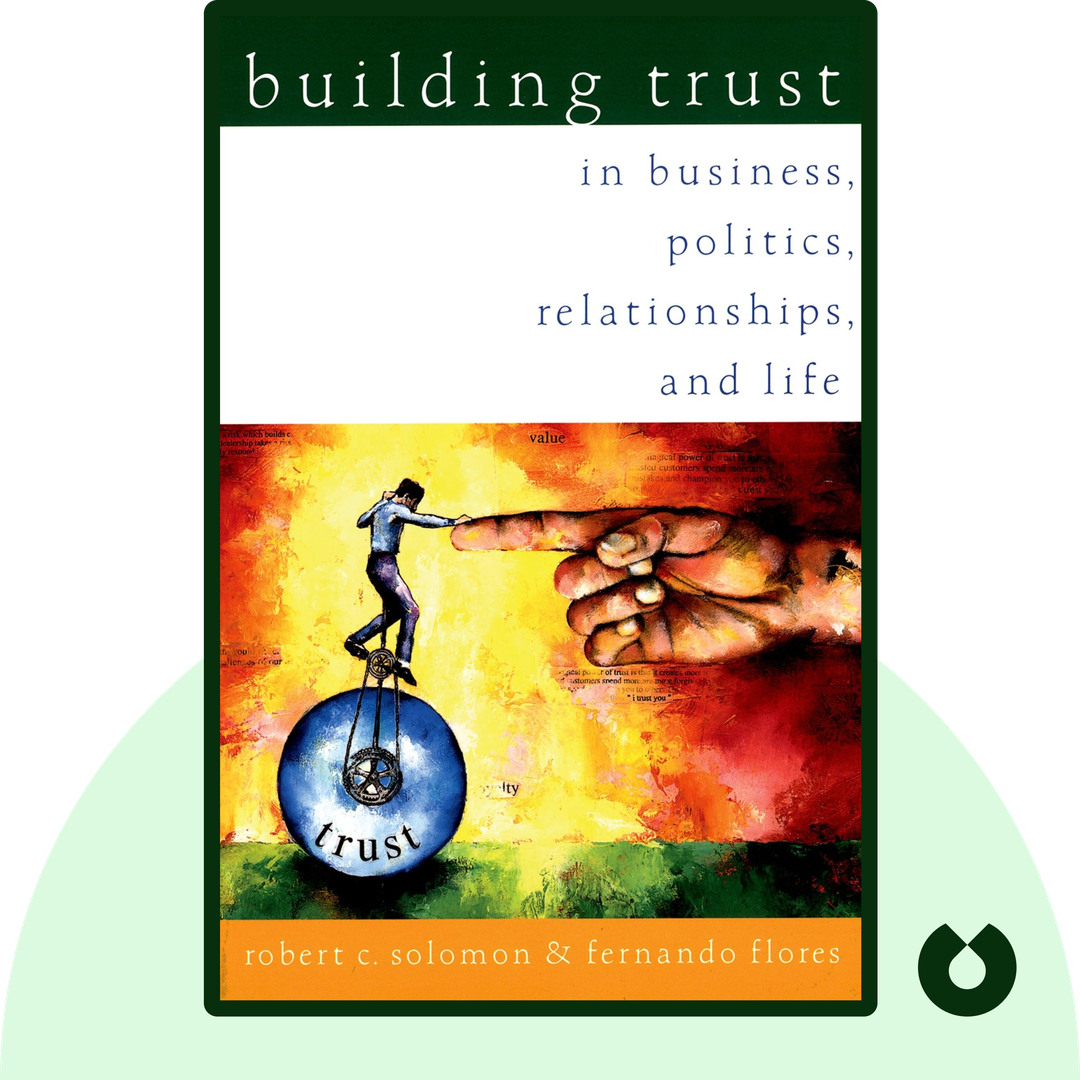
If You're Curious About These Questions...
You should listen to this audiobook
- Did you know that trust isn’t a fixed trait you're born with, but a dynamic emotional skill that you can actively build and strengthen every day?
- Have you ever wondered why some relationships can survive a major betrayal while others fail, and what the secret is to successfully restoring a broken bond?
- What if you could transform your professional influence by shifting from 'simple trust' to a more resilient, authentic form of connection?
Listen to Building Trust — Free Audiobook
Loading player...
Key Takeaways from Building Trust
- Learn how to repair broken relationships by replacing polite avoidance with open conversations, direct accountability, and a willingness to make lasting changes.
- Understand the destructive cost of fear-driven leadership and why prioritizing strict control over trust stifles innovation and breeds toxic cynicism.
- Discover why trust doesn't develop naturally and requires active effort, consistent follow-through, and explicit communication of your expectations.
- Master the ability to distinguish between blind acceptance and informed trust so you can make safer, better decisions about whom to rely on.
- Find out how proactively extending trust to others actually cultivates their personal responsibility and transforms mere compliance into genuine commitment.
Learning Tools
Reinforce what you learned from Building Trust
Mind Map
Building Trust
Core Principles+
The Threat of Fear & Distrust+
Origins & Mechanics+
Common Misunderstandings+
Authentic Trust+
Cultivation & Repair+
Quiz — Test Your Understanding
Question 1 of 7
According to the text, what is a primary consequence of fear-driven leadership in an organization?
Question 2 of 7
How did psychologist Erik Erikson explain the fundamental development of trust or distrust in individuals?
Question 3 of 7
In the example of the manager David and his new employee Alex, what was identified as the core issue behind their breakdown in trust?
Question 4 of 7
What key distinction is highlighted by the story of the senior executive Charlotte and her inexperienced employee Rahul?
Question 5 of 7
How does 'authentic trust' differ from 'blind trust' according to the text?
Question 6 of 7
What often happens when leaders lack self-trust in an organization?
Question 7 of 7
In the example of the American and Japanese banks, how did the Japanese bank view the concept of trust during the economic collapse?
Building Trust — Full Chapter Overview
- 1Recommendation
- 2The trust challenge
- 3The foundations of trust
- 4Common misunderstandings about trust
- 5Defining trust and trustworthiness
- 6Genuine trust
- 7Building and maintaining genuine trust
- 8Final summary
Building Trust Summary & Overview
Building Trust (2001) explores the essential role of trust in business, politics, and personal relationships. It challenges the idea that trust is a static quality, arguing instead that it’s an emotional skill that must be actively built, sustained, and, when necessary, restored. By examining the consequences of mistrust and the dynamics of authentic trust, it provides valuable insights into creating meaningful and resilient connections.
Who Should Listen to Building Trust?
- Leaders and professionals building trust in organizations
- Experts studying human behavior and social dynamics
- Individuals looking to improve trust in their personal and work life
Books Similar to Building Trust
Readers who enjoyed this also liked these titles.