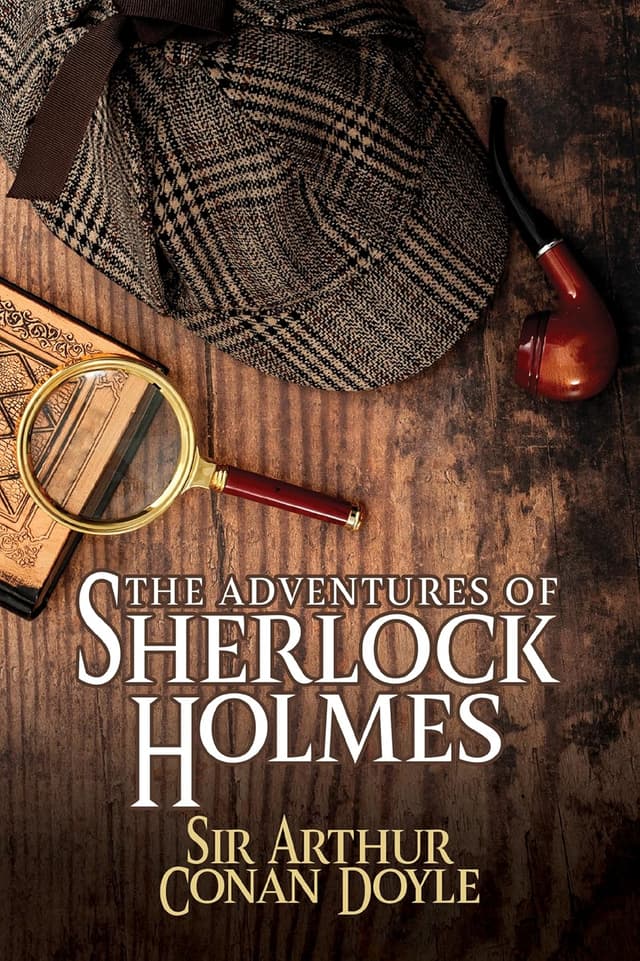
Arthur Conan Doyle wrote the stories comprising *The Adventures of Sherlock Holmes* between 1891 and 1892 in England, originally publishing them as a series of twelve short stories in *The Strand Magazine*. Set against the backdrop of late-Victorian London, the collection emerged during a period of rapid urbanization and profound social anxiety. The Industrial Revolution had transformed London into a sprawling, fog-drenched metropolis rife with poverty and crime. Following the gruesome, unsolved Jack the Ripper murders of 1888, the British public was deeply unsettled by the perceived chaos and danger of urban life. Holmes, with his unwavering reliance on logic, empirical science, and rational deduction, provided a comforting antidote to these societal fears, representing the triumph of order and intellect over criminality.
Upon publication, the stories were remarkably significant for revolutionizing the literary marketplace. Doyle popularized the format of self-contained short stories featuring recurring characters, which allowed readers to pick up any issue without needing prior context. The character of Holmes became so unprecedentedly popular that he sparked an early form of modern, obsessive fandom. This immense fame eventually became a point of controversy and frustration for Doyle, who felt his "serious" historical fiction was being overshadowed by his own creation, leading to his later, highly controversial attempt to kill off the detective.
The lasting impact of *The Adventures of Sherlock Holmes* on both literature and society is immeasurable. Doyle codified the modern detective genre, establishing enduring tropes such as the brilliant but eccentric investigator and the loyal, grounded sidekick. Beyond literature, Holmes’s pioneering methods anticipated and heavily influenced real-world developments in criminal investigation and forensic science, including fingerprinting, footprint analysis, and trace evidence, cementing the collection as a foundational pillar of modern storytelling and criminology.