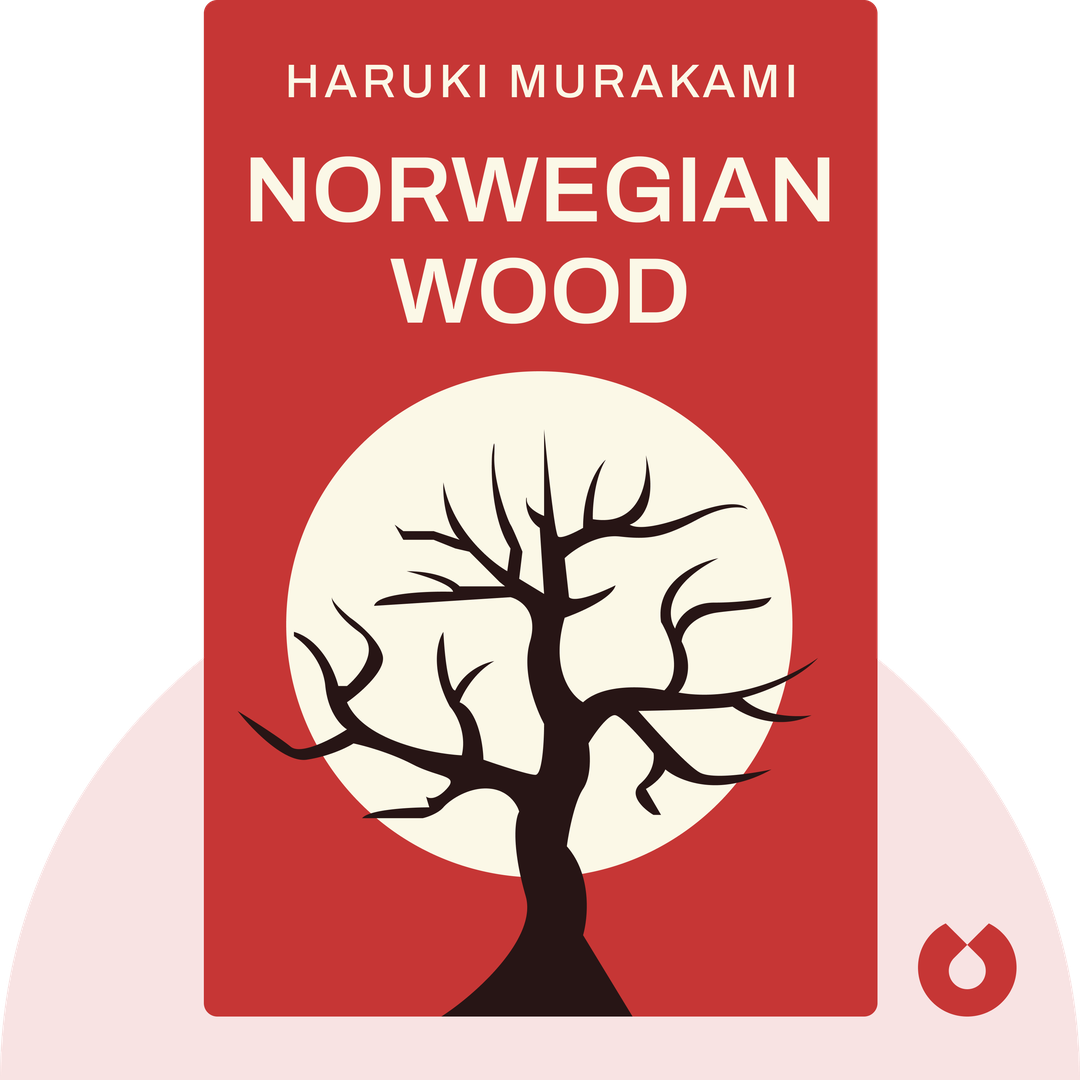
If You're Curious About These Questions...
You should listen to this audiobook
- Have you ever wondered why we often feel torn between a love that anchors us to the past and a connection that pulls us toward the future?
- Are you curious about how the weight of grief can shape a person’s identity during the most formative years of their life?
- What if the secret to surviving the transition into adulthood lies in the heart-wrenching choices we make between loyalty to the dead and the desire to truly live?
Listen to Norwegian Wood — Free Audiobook
Loading player...
Key Takeaways from Norwegian Wood
- Discover why individual struggles and deep personal grief can overshadow massive societal upheavals, as seen through Toru's neutral stance during the 1960s Tokyo protests.
- Uncover the profound impact of hidden traumas on the human psyche, using the haunting metaphor of an unseen well to understand unprocessed grief and emotional danger.
- Understand how physical intimacy can act as a profound emotional landmark that is deeply intertwined with sorrow and the complexities of young relationships.
- Learn how to navigate the emotional conflict between honoring past tragedies and embracing present possibilities through Toru's contrasting bonds with the fragile Naoko and vibrant Midori.
- Explore the enduring influence of unresolved loss on your journey of self-discovery, and discover the delicate balance required to achieve personal growth amidst painful memories.
Learning Tools
Reinforce what you learned from Norwegian Wood
Mind Map
Norwegian Wood
Setting & Context+
Core Characters+
Key Themes+
Narrative Arc+
Quiz — Test Your Understanding
Question 1 of 6
How does Toru Watanabe relate to the late 1960s student movements occurring in Tokyo?
Question 2 of 6
What does Naoko’s story about the hidden well in the meadow symbolize?
Question 3 of 6
What does the introduction of Midori Kobayashi represent in Toru's life?
Question 4 of 6
Why is Reiko hesitant to leave the mountain sanatorium?
Question 5 of 6
What unexpected event occurs between Toru and Reiko after Naoko's 'little funeral'?
Question 6 of 6
How does the story conclude regarding Toru's emotional journey?
Norwegian Wood — Full Chapter Overview
- 1Recommendation
- 2Echoes of youth and lost innocence
- 3Emotional whirlwind and new beginnings
- 4Whispers of healing and quiet confessions
- 5Tangled emotions in love’s uncertain labyrinth
- 6Journey through grief toward a new dawn
Norwegian Wood Summary & Overview
Norwegian Wood (1987) transports you to late 1960s Tokyo, where Toru Watanabe's recollection of his student days unveils a haunting tale of love, loss, and the passage of time. As he navigates friendships, passionate encounters, and heart-wrenching choices, we witness his complex relationships with the troubled beauty, Naoko, and the brazen Midori. Set against a backdrop of societal upheaval, Murakami delves deep into the emotional turmoil of choosing between past and future, weaving a story that resonates with the nostalgia and unrest of youth.
Who Should Listen to Norwegian Wood?
- Lovers of introspective, melancholic narratives
- Fans of Japanese culture and literature
- Anyone grappling with the complexities of love and loss
Books Similar to Norwegian Wood
Readers who enjoyed this also liked these titles.