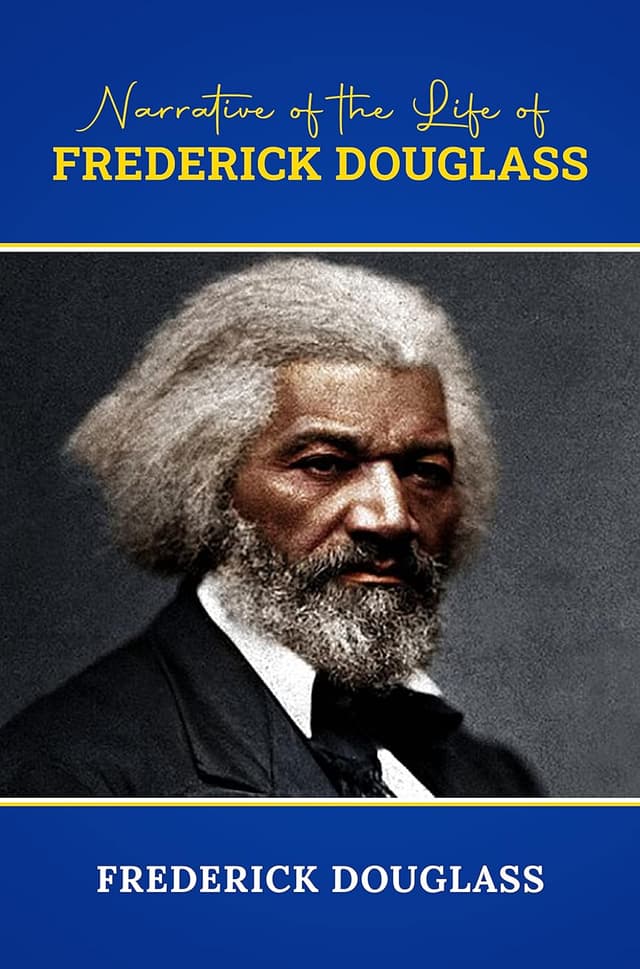
Written in Lynn, Massachusetts, and published in Boston in 1845, Frederick Douglass’s memoir emerged during a highly volatile period in Antebellum America. At the time, the nation was deeply fractured over the institution of slavery, and the Northern abolitionist movement was gaining significant, organized momentum. Douglass, who had escaped from enslavement in Maryland seven years prior, wrote the text to document his harrowing experiences and to provide undeniable testimony against the brutal, systemic realities of human bondage.
Upon its publication, the book became an immediate sensation and a source of profound controversy. Pro-slavery advocates frequently argued that enslaved people lacked the intellectual capacity for profound thought and were inherently suited for servitude. Douglass’s eloquent, sophisticated prose shattered these racist justifications. In fact, his writing was so masterful that some contemporary critics initially doubted a former slave could have authored it. To prove his authenticity, Douglass bravely included the real names of his enslavers, specific locations, and exact dates. This bold decision put him at immense risk of being captured and returned to slavery by bounty hunters, ultimately forcing him to flee to Great Britain for two years to ensure his safety.
The narrative’s lasting impact on both literature and society cannot be overstated. Historically, it became a vital tool for the abolitionist cause, galvanizing anti-slavery sentiment across the United States and Europe by exposing the physical and psychological horrors of the institution. Literarily, it established the conventions of the American slave narrative and laid the foundational roots of African American literature. Today, Douglass’s autobiography remains a seminal classic, celebrated as both a crucial historical record and a timeless, philosophical testament to the liberating power of literacy and the enduring human struggle for freedom.