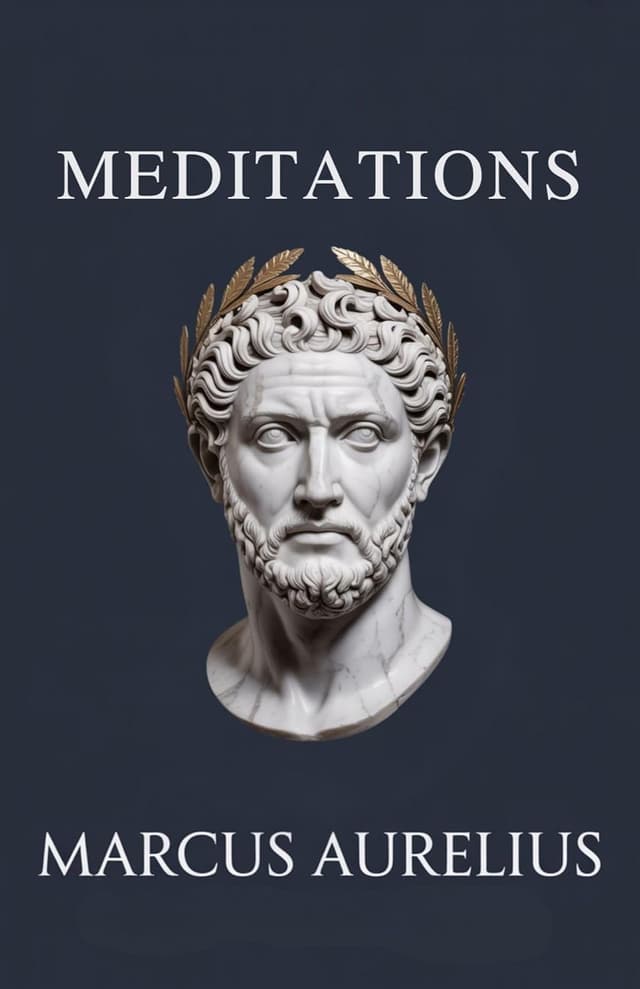
Marcus Aurelius composed the collection of personal writings now known as *Meditations* between 161 and 180 AD, during the final years of his reign as Roman Emperor. Rather than writing from the comfort of a palace, he penned these reflections primarily in military encampments along the Danubian frontier while leading campaigns against Germanic tribes. The social and political context of this era was one of immense strain; despite the Roman Empire being at its territorial zenith, it was besieged by the devastating Antonine Plague, continuous border warfare, and internal rebellions. Aurelius bore the ultimate burden of leadership during these overlapping crises.
Unlike conventional literary works, *Meditations* was never intended for publication. Originally written in Koine Greek and simply titled *To Himself*, it was a private journal detailing the emperor’s internal struggle to apply Stoic philosophy to the immense pressures of his station. When the text eventually surfaced and circulated posthumously, its significance was profound. It offered an unprecedented, unfiltered look into the mind of the world’s most powerful man, revealing a leader who sought virtue, humility, and emotional regulation rather than indulging in the corrupting influences of absolute power.
The lasting impact of *Meditations* on literature and society is immeasurable. It preserved the tenets of late Stoicism for future generations, heavily influencing Renaissance humanists, Christian theologians, and Enlightenment thinkers. Today, it remains a foundational text not only in the philosophical and literary canon but also in the fields of psychology and modern self-improvement. From world leaders to pioneers of cognitive behavioral therapy, readers continue to draw upon Aurelius's reflections as a timeless guide for resilience, duty, and maintaining inner peace amidst external chaos.