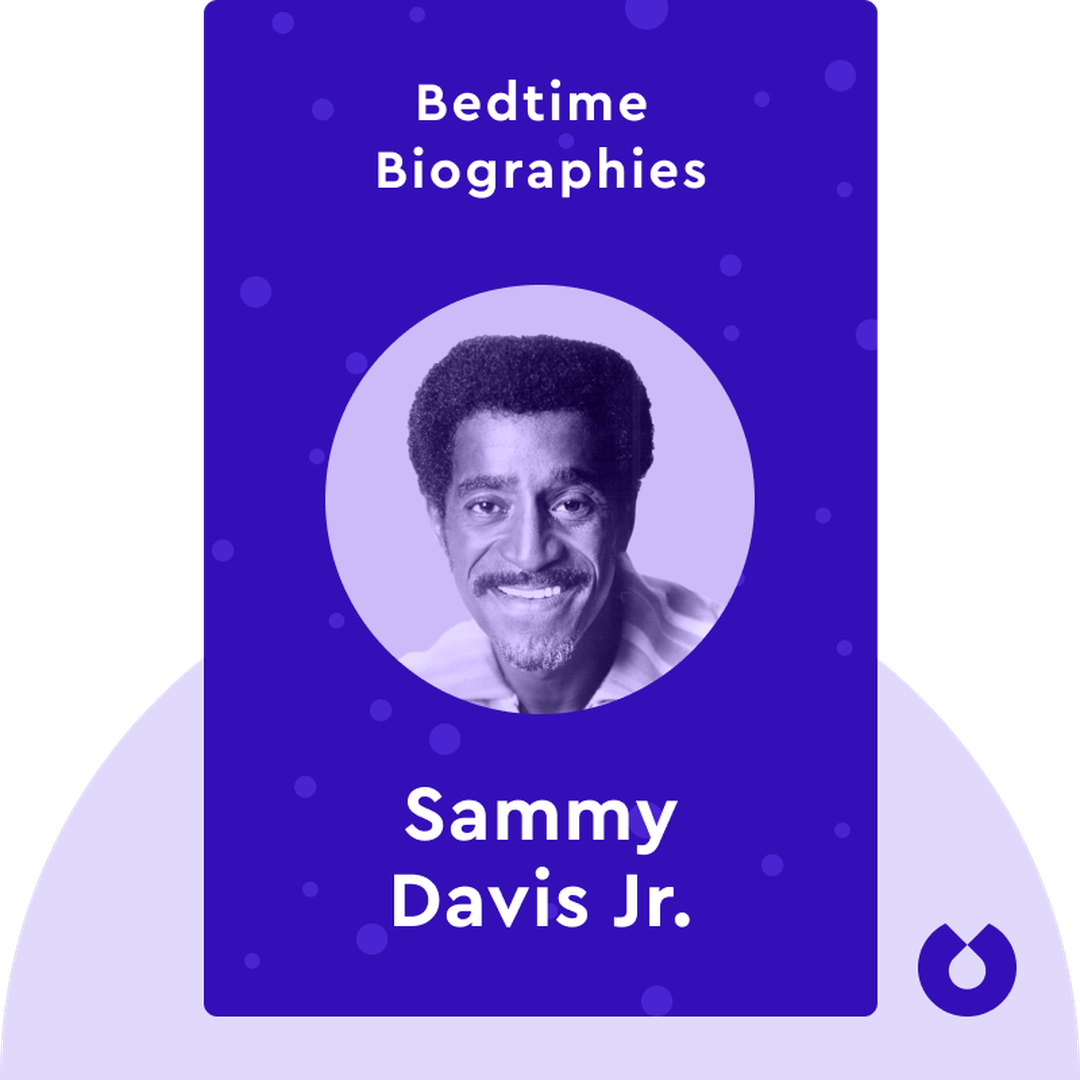
Bedtime Biography: Yes I Can
Start ListeningDownload Try free on iPhoneScan to start in 5 seconds
Categories:
If You're Curious About These Questions...
You should listen to this audiobook
- Did you know that one of the most beloved entertainers in history had to navigate a world of extreme poverty and systemic racism long before he ever stepped into the spotlight?
- What’s the secret behind a young vaudeville performer’s meteoric rise to becoming one of the most influential and famous men in 20th-century America?
- Are you curious about how a single, defiant mindset allowed a man to break through every barrier of discrimination and redefine what it meant to be a superstar?
Listen to Bedtime Biography: Yes I Can — Free Audiobook
Loading player...
Key Takeaways from Bedtime Biography: Yes I Can
- Discover how Sammy Davis, Jr. used his unparalleled versatility in singing, dancing, and comedy to break down racial barriers and force the integration of American entertainment venues.
- Explore the harsh realities of early 20th-century show business, where Black entertainers had to navigate inconceivable discrimination and even perform stereotypes just to survive.
- Master the art of professional compartmentalization through the invaluable lesson Sammy learned at age seven: never let personal struggles or emotions dictate the quality of your performance.
- Understand how Sammy's father shielded him from systemic racism by instilling the powerful belief that relentless hard work and undeniable talent could conquer any prejudice.
- Trace Sammy's resilient journey from a struggling child star in a dying vaudeville industry to a patriotic soldier, revealing the incredible drive required to achieve lifelong greatness.
Learning Tools
Reinforce what you learned from Bedtime Biography: Yes I Can
Mind Map
Bedtime Biography: Yes I Can
Early Life & Vaudeville+
World War II & Army Racism+
Rise to Stardom+
Breaking Barriers & Personal Toll+
Hitting Bottom & Finding Peace+
Quiz — Test Your Understanding
Question 1 of 7
After a distressing incident where his father struck him following a highly successful performance, what crucial professional lesson did Will Mastin teach seven-year-old Sammy?
Question 2 of 7
How did Sammy Davis, Jr.'s experience in the US Army during World War II impact his worldview and career ambitions?
Question 3 of 7
Upon returning to the Will Mastin Trio after World War II, what radical change did Sammy insist on making to their act?
Question 4 of 7
What did Sammy realize was the 'secret elixir' that separated true stars from opening acts?
Question 5 of 7
What happened after TV host Eddie Cantor embraced Sammy Davis, Jr. on air following a performance?
Question 6 of 7
In the 1960s, what drew Sammy Davis, Jr. to explore and eventually convert to Judaism?
Question 7 of 7
Why did some people fear that Sammy Davis, Jr.'s marriage to Swedish actress May Britt might negatively impact John F. Kennedy's presidential campaign?
Bedtime Biography: Yes I Can — Full Chapter Overview
- 1Recommendation
- 2Chapter One
- 3Chapter Two
- 4Chapter Three
- 5Chapter Four
- 6Chapter Five
- 7The Ending
Bedtime Biography: Yes I Can Summary & Overview
Narrated by Jeannette Robinson
Music by Federico Coderoni
Yes I Can (1965) is the bestselling autobiography of Sammy Davis Jr, viewed as one of the best autobiographies of all time. Written halfway through his life, it tells the story of how Davis battled racism, poverty and discrimination to become a star. Starting with his difficult childhood, it traces his life from his vaudeville days to his time as one of the most famous men in America.
Who Should Listen to Bedtime Biography: Yes I Can?
- Fans of Sammy Davis Jr
- Anyone who wants to learn more about racism in 20th-century America
- Fans of vaudeville and Broadway
Books Similar to Bedtime Biography: Yes I Can
Readers who enjoyed this also liked these titles.