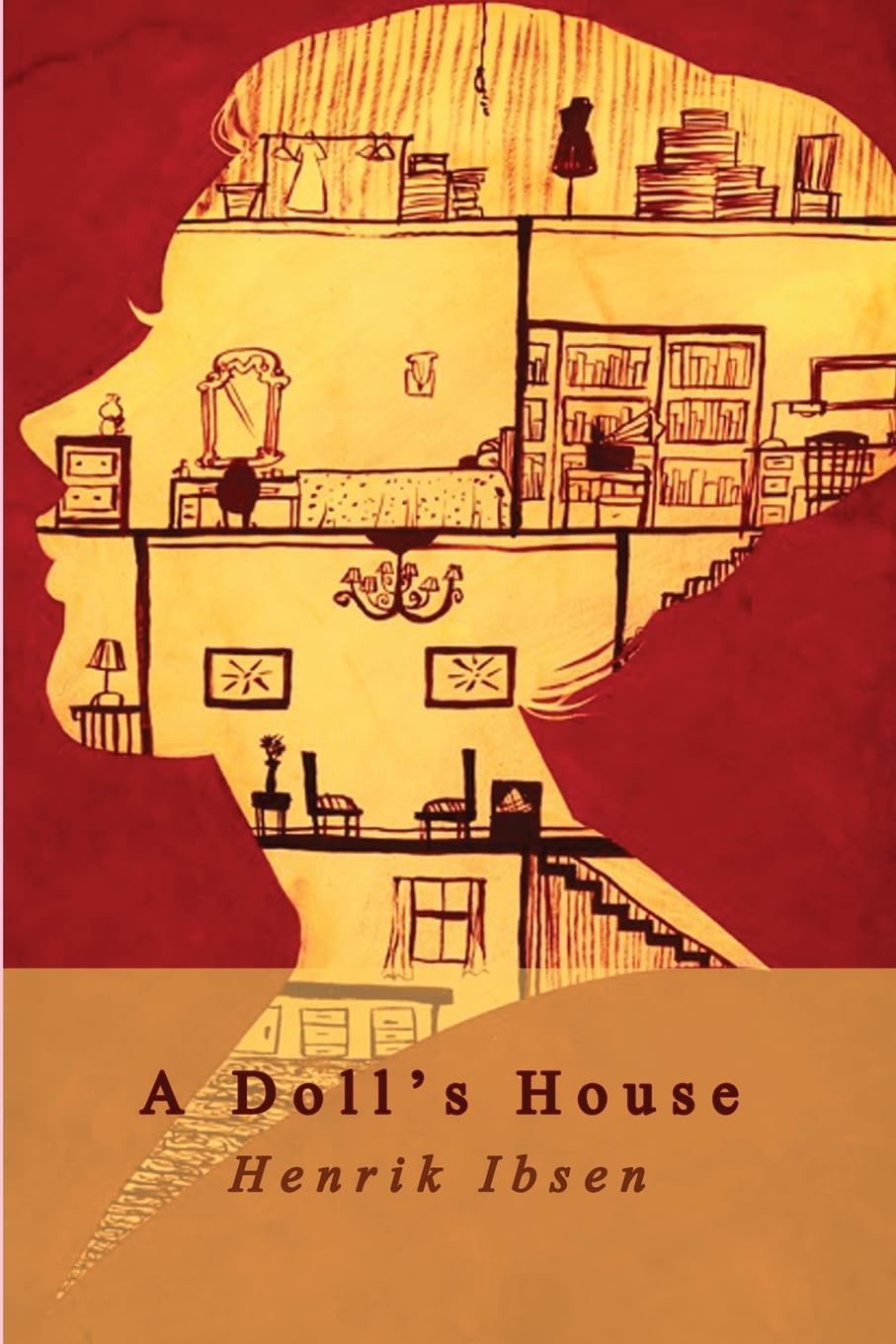
Henrik Ibsen wrote *A Doll's House* in 1879 while residing in Rome and Amalfi, Italy, though the play is deeply rooted in the bourgeois society of his native Norway. During the late nineteenth century, Europe was governed by rigid Victorian social codes and a strictly patriarchal legal system. Women were largely relegated to the domestic sphere, lacking significant financial, legal, or occupational independence. In this era, a married woman was generally not permitted to borrow money or conduct formal business without her husband's explicit consent, a systemic inequality that serves as the central catalyst for the play's plot.
Upon its publication and subsequent premiere in Copenhagen, the play ignited immediate and fierce controversy. Its uncompromising examination of marital dynamics shattered the idealized illusion of the nineteenth-century family. The climax, in which the protagonist Nora Helmer abandons her husband and children to seek her own identity, was considered so scandalous that it provoked outrage across Europe. The notion that a woman's duty to herself could supersede her sacred duties as a wife and mother was profoundly radical; in fact, several theaters initially refused to stage the play unless Ibsen provided an alternate, more palatable ending.
Ultimately, *A Doll's House* left an indelible mark on both literature and society. Theatrically, it helped pioneer the movement of modern realism, transforming the stage from a venue of melodramatic entertainment into a powerful, serious forum for social critique. Societally, Nora's iconic door slam echoed globally as an early rallying cry for women's rights and individual liberation. Today, the play remains a quintessential feminist milestone and a foundational work of modern drama, continuing to resonate with audiences through its timeless exploration of self-discovery, authenticity, and human freedom.