If You're Curious About These Questions...
You should listen to this audiobook
- Did you know that most 'financial emergencies' are actually predictable, and there’s a simple way to stop them from ruining your budget forever?
- What if you could stop living paycheck to paycheck by learning the secret to spending money you earned thirty days ago?
- Have you ever wondered why traditional budgeting feels like a restriction, and how shifting your mindset could actually give you more freedom to spend on what you love?
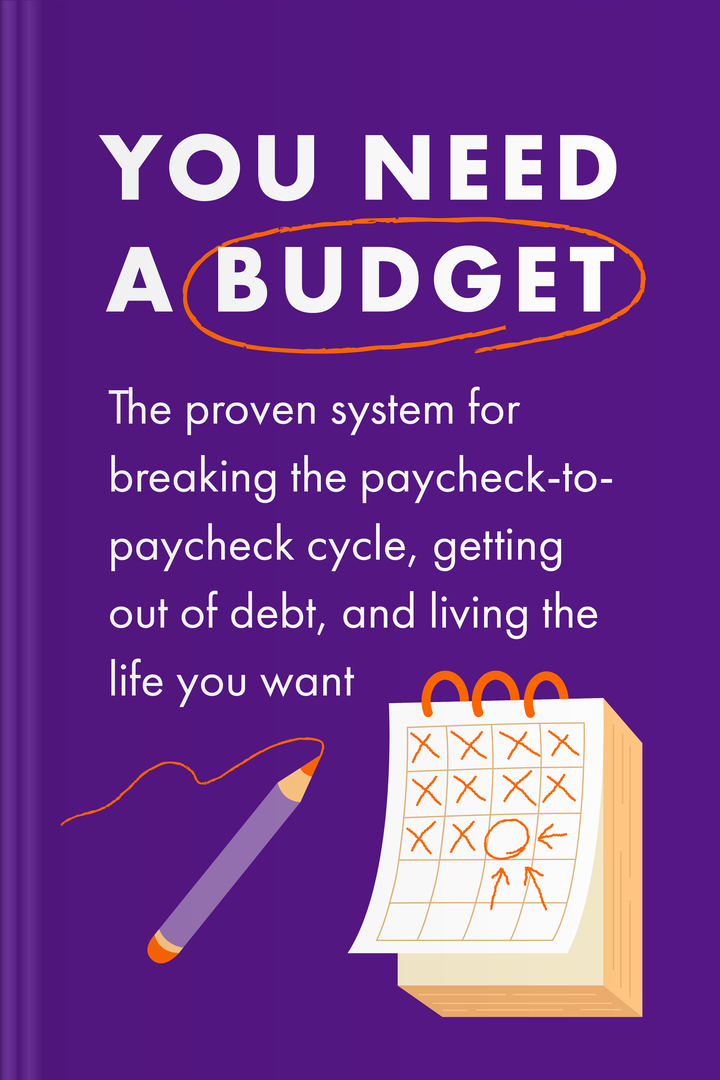
Listen to You Need a Budget — Free Audiobook
Key Takeaways from You Need a Budget
- Discover how to reframe budgeting from a restrictive punishment into a practical form of self-care that builds real financial breathing room.
- Learn how to transform reactive, paycheck-to-paycheck spending into an intentional plan by prioritizing your essential needs first.
- Master the first rule of budgeting—giving every dollar a job—so you can proactively assign a specific purpose to your income before it disappears.
- Find out how to prepare for both predictable and unpredictable expenses by breaking them down monthly, helping you avoid debt and financial surprises.
- Understand the second rule of budgeting, 'embrace your true expenses,' to create a flexible, guilt-free plan that adapts to real-life changes.
Learning Tools
Reinforce what you learned from You Need a Budget
Mind Map
Quiz — Test Your Understanding
You Need a Budget — Full Chapter Overview
- 1Recommendation
- 2Turning Money into a Clear, Calm Plan
- 3Giving Every Dollar a Purpose
- 4Staying Flexible Without the Guilt
- 5Budgeting Together with Trust and Teamwork
- 6Helping Kids Grow Up with Money Confidence
- 7Shaping an Environment That Supports Your Plan
- 8A Steady Path Forward
You Need a Budget Summary & Overview
This audio narration explores practical budgeting as a supportive, real-life tool for reducing stress and building financial freedom. Instead of treating money as something to avoid or fear, it invites listeners to look at income and expenses with clarity, kindness, and intention—starting with the essentials and building from there.
Across seven chapters, you’ll hear about planning for predictable bills and surprise costs, using Jesse Mecham’s four budgeting rules, and making room for adjustments without guilt. The script also touches on budgeting as a couple, teaching kids healthy money habits early, and shaping an environment that makes financial progress easier to sustain.
Who Should Listen to You Need a Budget?
- Anyone who feels stressed about money and wants a calmer, clearer way to plan expenses and avoid living paycheck to paycheck
- Couples who want a shared approach to money that reduces conflict and supports common goals
- Parents or caregivers who want to teach kids practical saving and spending habits early
Books Similar to You Need a Budget
Readers who enjoyed this also liked these titles.