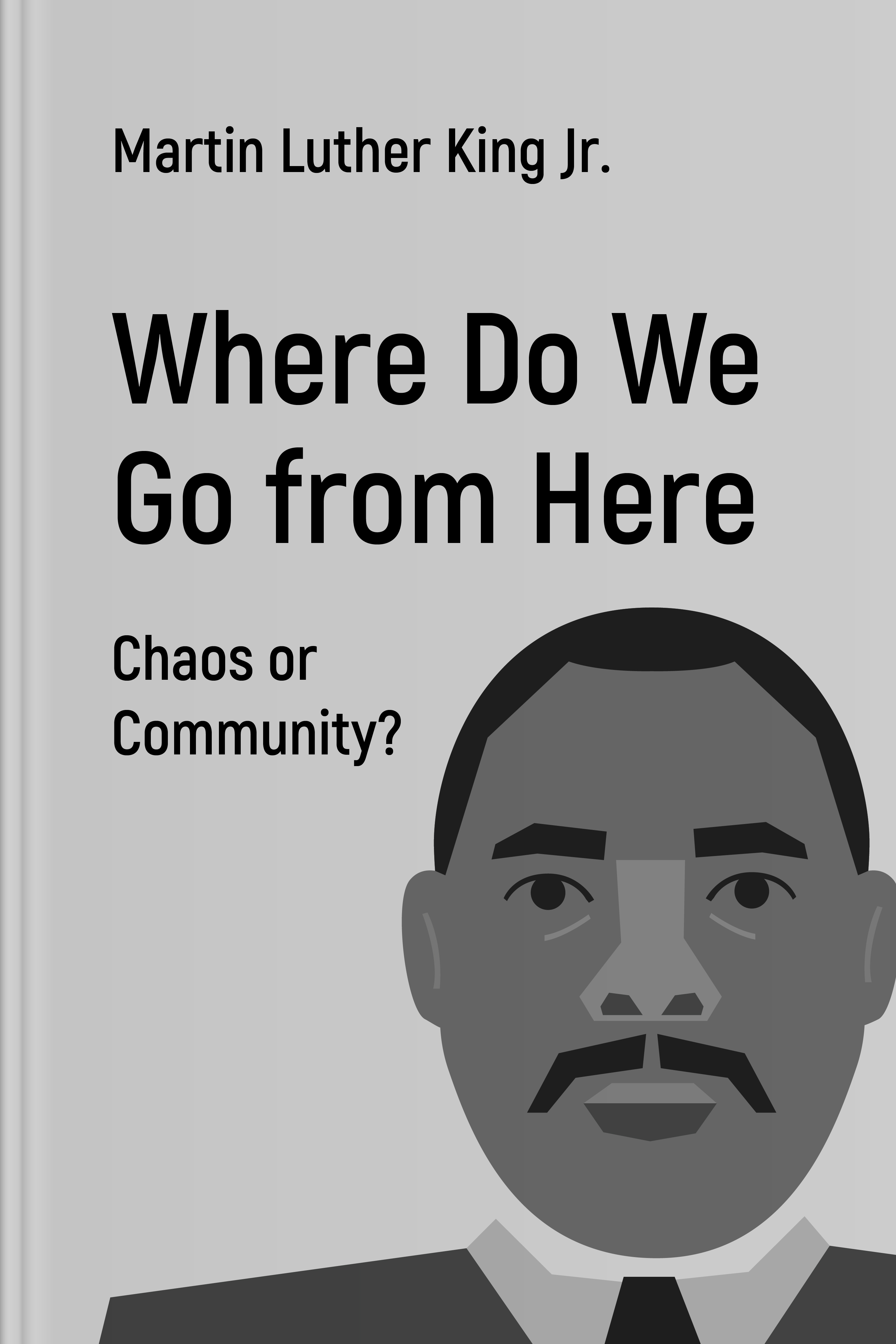
If You're Curious About These Questions...
You should listen to this audiobook
- Have you ever wondered what happens to a powerful social movement when it achieves its initial victories but suddenly loses its shared sense of direction?
- Are you curious about the true essence of 'Black Power' when it is defined by human dignity and strategic action rather than the impulse for violence?
- What if you could confront the challenges of racism and poverty not as isolated political problems, but as deep moral wounds that impact the health of an entire society?
Listen to Where Do We Go from Here — Free Audiobook
Key Takeaways from Where Do We Go from Here
- Understand why true peace and progress depend on more than vague goodwill, requiring a concrete investment of resources and opportunity to build a shared coalition.
- Discover the 'two locks' metaphor for achieving racial equality, revealing why nonviolent agitation must be paired with the white majority's key of active responsibility.
- Learn how Dr. King's ultimate vision was never to simply swap places at the top of a broken hierarchy, but to elevate the entire standard of democracy for all people.
- Master the emotional discipline of the civil rights movement by learning how to hold legitimate anger without obeying it, choosing nonviolence over destructive revenge.
- Explore the critical historical shift from spectator politics to participatory change, demonstrating how everyday people can step up to become an active force for justice.
Where Do We Go from Here — Full Chapter Overview
Chapter 1: Recommendation
Chapter 2: Choosing a Future of Peaceful Coexistence
Chapter 3: Finding Direction When a Movement Loses Its Compass
Chapter 4: Reclaiming “Black Power” as Dignity Without Destruction
Chapter 5: How Facing Racism Helps the Whole Society Heal
Chapter 6: Holding the Pain, and Rebuilding What Was Broken
Chapter 7: Naming the Destination, and Refusing Indifference
Chapter 8: One Planet, Many Homes: Moral Growth in a Connected World
Chapter 9: A Moral Reawakening: Choosing Community Over Conflict
Where Do We Go from Here Summary & Overview
This narration revisits Dr. Martin Luther King Jr.’s late-stage reflections on the civil rights struggle—reflections shaped by both hard-won victories and the pain of continuing resistance. With calm clarity, King points to a path that refuses revenge and refuses despair, inviting the country to choose moral courage over fear.
Across these chapters, listeners are guided through questions of direction and purpose: What happens when a movement has momentum but loses a shared compass? What does “Black Power” actually mean when it’s rooted in dignity rather than violence? And how can a society confront racism and poverty not as isolated problems, but as wounds that affect everyone?
Who Should Listen to Where Do We Go from Here?
- Listeners who want a gentle, grounded understanding of King’s later message about nonviolence, coalition-building, and moral responsibility.
- Anyone seeking language and perspective for talking about racism, poverty, protest, and social change in a calm, humane way.
- People who feel discouraged by division and want a steady reminder that progress can be principled, strategic, and compassionate.
Books Similar to Where Do We Go from Here
Readers who enjoyed this also liked these titles.
This warm, practical narration invites listeners—especially white Americans who want to help but feel unsure where to begin—into a steady, compassionate exploration of identity, bias, privilege, and action, with simple ways to listen better and support real change.
King's journey to becoming the leading figure in the American civil rights movement
How to Fight Injustice, Dismantle Systemic Oppression, and Own Our Future
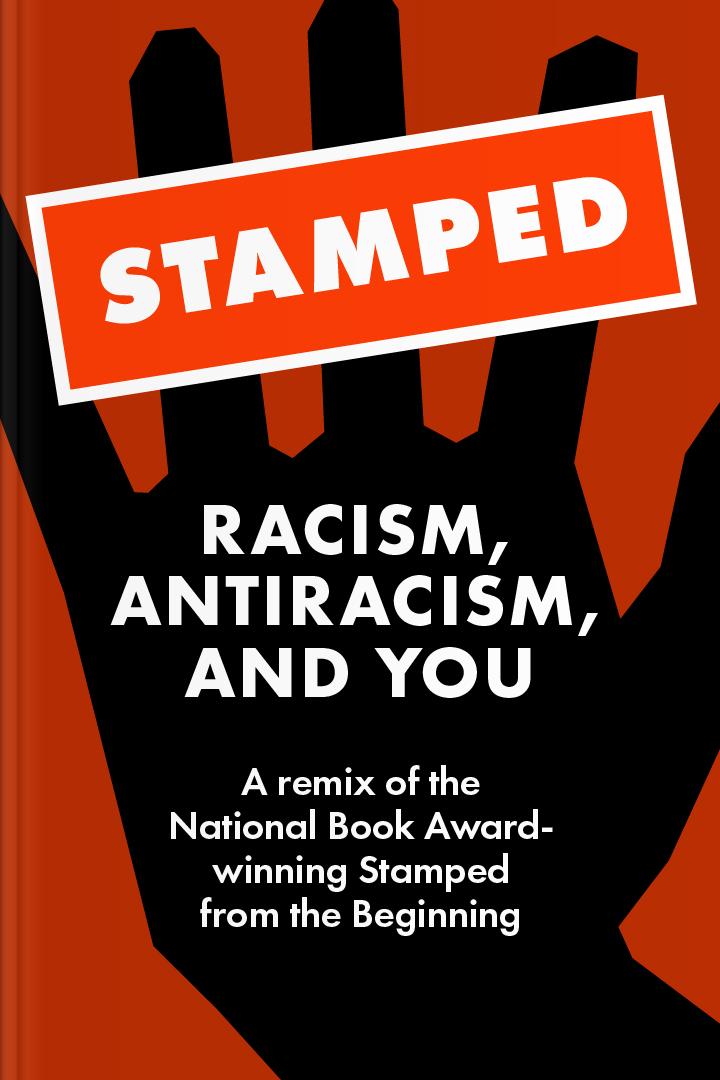
This gentle, guided listening journey traces how racist ideas were built to defend power, how they spread through religion, politics, and culture, and how an antiracist commitment can begin with honest reflection, clearer language, and everyday choices that protect human equality.