If You're Curious About These Questions...
You should listen to this audiobook
- Have you ever wondered why treating the economy like a predictable machine often leaves hard-working people behind while making the whole system more fragile?
- Did you know that our relentless pursuit of 'efficiency' might actually be the hidden force destabilizing our democracy and widening the wealth gap?
- What's the secret to transforming a cutthroat economy into a resilient ecosystem where both businesses and citizens can finally thrive again?
Listen to When More Is Not Better — Free Audiobook
Key Takeaways from When More Is Not Better
- Understand why viewing the economy as a living, evolving system to balance, rather than a predictable machine to perfect, empowers everyday citizens to participate more confidently.
- Discover how the widespread struggles of essential workers living paycheck to paycheck signal a systemic shift in economic rules, rather than personal financial failings.
- Learn why the economy is not a permanently fixed structure, meaning your daily choices as a consumer, voter, and employee can actively help shape a fairer society.
- Recognize the delicate tension between democracy and capitalism, and see why widespread economic stagnation causes ordinary citizens to lose trust and detach from political participation.
- Explore historical economic shifts, like the Great Depression, to uncover how financial pain and growth were once distributed more equitably than in today's era of middle-class stagnation.
When More Is Not Better — Full Chapter Overview
Chapter 1: Recommendation
Chapter 2: Seeing the Economy Through Everyday Lives
Chapter 3: When Trust Wobbles: Democracy and Capitalism in Tension
Chapter 4: The Hidden Models That Quietly Run the System
Chapter 5: From Machine Thinking to Nature Thinking
Chapter 6: Practical Wisdom from Restaurants, Regulators, and Shareholders
Chapter 7: Educators and Citizens as Builders of the Next Economy
Chapter 8: Choosing Balance: A Shared Path Forward
When More Is Not Better Summary & Overview
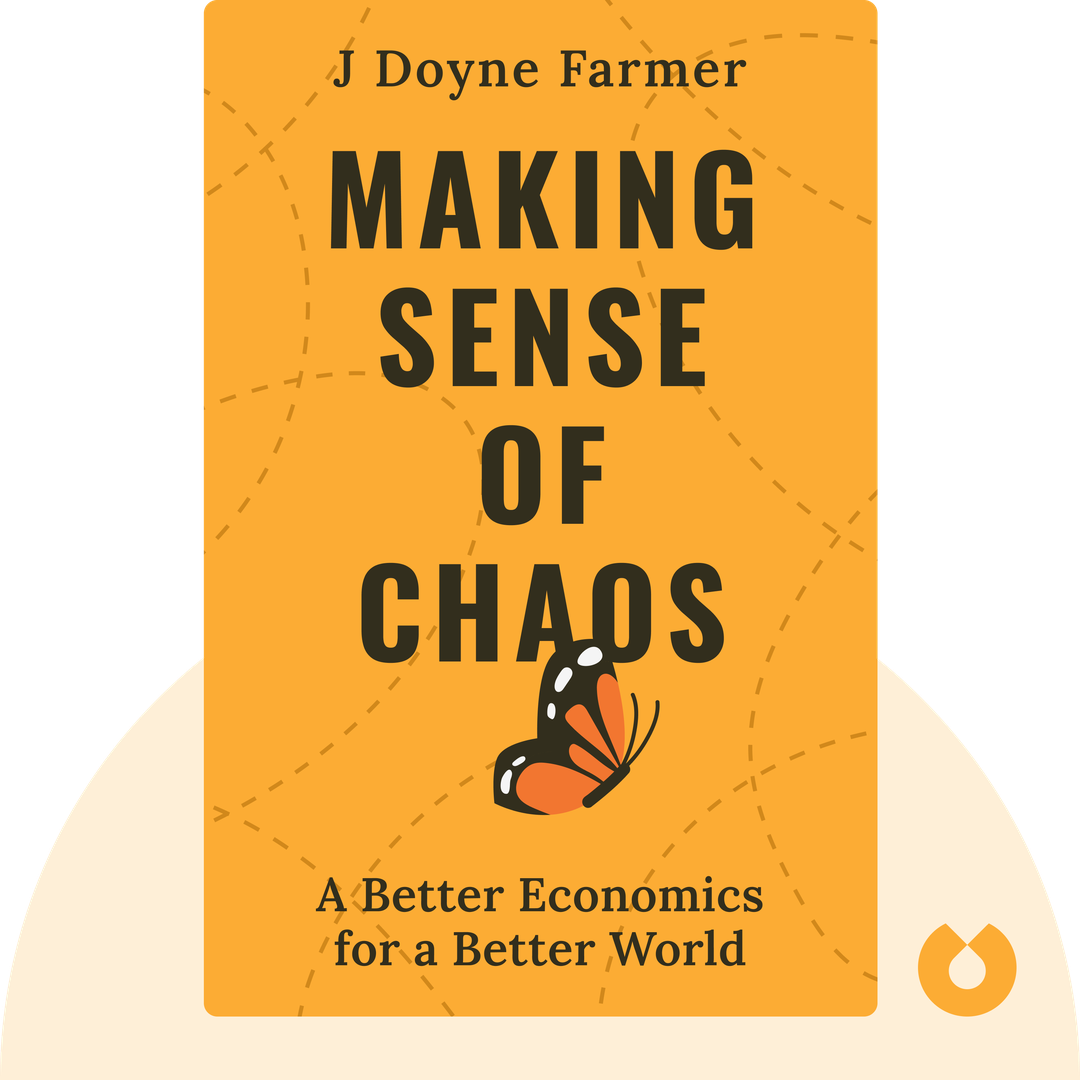
This audio-friendly summary explores a central idea: many people have been taught to think of the economy as a predictable machine, something experts can tune and control. Yet real lives—like underpaid teachers working second jobs—suggest a different reality. When the system rewards a few while leaving many stuck, frustration grows, trust erodes, and democratic capitalism itself becomes fragile.
Across seven chapters, the narration gently reframes the economy as a complex, evolving system more like nature than machinery. It offers lessons from research, history, business, politics, and education, and ends with grounded ways citizens can participate—through purchases, collective action, and voting with care—to help build a more balanced and hopeful future.
Who Should Listen to When More Is Not Better?
- Listeners who feel confused or discouraged about today’s economy and want a clearer, calmer way to understand what’s happening.
- Educators, managers, and policy-minded citizens who want practical, humane ideas for strengthening democratic capitalism through balance, resilience, and long-term thinking.
Books Similar to When More Is Not Better
Readers who enjoyed this also liked these titles.
For the Many, Not the Few
This warm, practical tour of Doughnut Economics invites a gentler, wiser way to think about progress—one that helps societies meet everyone’s needs while staying within Earth’s limits, so prosperity can be shared without sacrificing the living world.
If a trillion dollars can reshape priorities, it can also reshape outcomes—this gentle, practical journey explores how prevention, smarter investment, and shared responsibility could reduce disease, protect ecosystems, slow climate change, and expand humanity’s chances for a safer future.
A Better Economics for a Better World