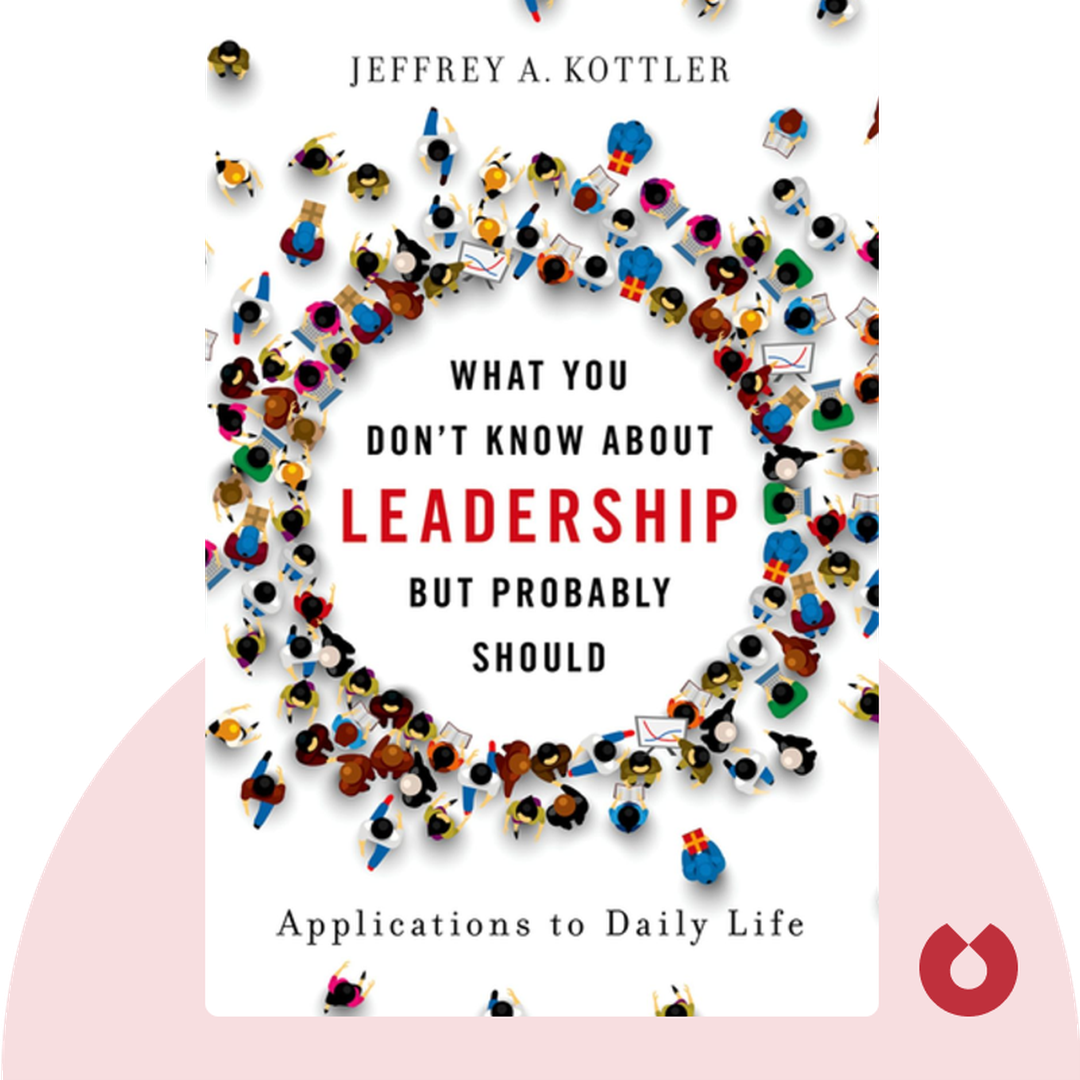
What You Don't Know about Leadership, But Probably Should
Start ListeningDownload Try free on iPhoneScan to start in 5 seconds
Categories:
If You're Curious About These Questions...
You should listen to this audiobook
- Did you know that the latest research in psychology reveals leadership secrets that go far beyond basic management skills?
- Have you ever wondered why even the most experienced leaders struggle during times of conflict, and what science says they should be doing differently?
- What if you could apply the same hidden psychological theories used by famous leaders to transform how you manage your team every day?
Listen to What You Don't Know about Leadership, But Probably Should — Free Audiobook
Loading player...
Key Takeaways from What You Don't Know about Leadership, But Probably Should
- Learn how admitting your own ignorance and trusting your team's expertise can make you a highly respected leader in today's democratic work environments.
- Discover why the mere presence of a mobile phone stifles empathy, and how establishing device-free meetings drastically improves team communication.
- Master the three critical attributes shared by all great leaders: self-confidence, a proactive spirit, and the relational capacity to inspire true loyalty.
- Understand the destructive power of hubris and why unchecked overconfidence is the most common downfall of poor leaders throughout history.
- Find out how toxic workplace leadership creates a ripple effect that directly triggers conflict, stress, and frustration in employees' personal lives at home.
Learning Tools
Reinforce what you learned from What You Don't Know about Leadership, But Probably Should
Mind Map
What You Don't Know about Leadership, But Probably Should
The Pitfalls of Bad Leadership+
Essential Leadership Traits+
Fostering Team Connection+
Continuous Improvement+
Quiz — Test Your Understanding
Question 1 of 8
How do effective leaders handle their own lack of knowledge in today's fast-changing environment?
Question 2 of 8
According to research, how does the mere physical presence of a mobile phone affect team meetings?
Question 3 of 8
Which of the following represents the three core attributes shared by great leaders?
Question 4 of 8
What common flaw among poor leaders was cited as the primary reason for the disastrous military failures of both Napoleon and Hitler?
Question 5 of 8
Why do employees who suffer under bad leadership often exhibit 'kick the dog' behavior at home?
Question 6 of 8
What key leadership lesson is demonstrated by the historical example of Admiral Horatio Nelson?
Question 7 of 8
What does Sir Francis Drake's reaction to the arrival of the Spanish Armada illustrate about handling pressure?
Question 8 of 8
According to the actionable advice in the text, how should leaders constructively process failure?
What You Don't Know about Leadership, But Probably Should — Full Chapter Overview
- 1Recommendation
- 2Strong leaders acknowledge their ignorance and respect their team members’ expertise.
- 3Effective leaders grasp the power of meaningful communication, so forbid mobile phones in all meeting rooms.
- 4Great leaders share three traits, but poor leaders tend to often share one common failing.
- 5Bad leadership at work has damaging consequences at home.
- 6The best leaders build trust and ensure staff feel cared for and truly valued.
- 7Effective, stress-free leaders remain calm and confident under pressure, avoiding worries about things entirely beyond their control.
What You Don't Know about Leadership, But Probably Should Summary & Overview
What You Don’t Know about Leadership, But Probably Should (2018) takes the latest research and psychological theories from the field of leadership science and explains how individuals can apply them to their daily work life. Using examples from famous leaders of all kinds, the author gives tips on how any leader can more effectively manage a team during times of conflict and stress.
Who Should Listen to What You Don't Know about Leadership, But Probably Should?
- People interested in workplace psychology
- Anyone wishing to improve their leadership skills
- Students of business management
Books Similar to What You Don't Know about Leadership, But Probably Should
Readers who enjoyed this also liked these titles.