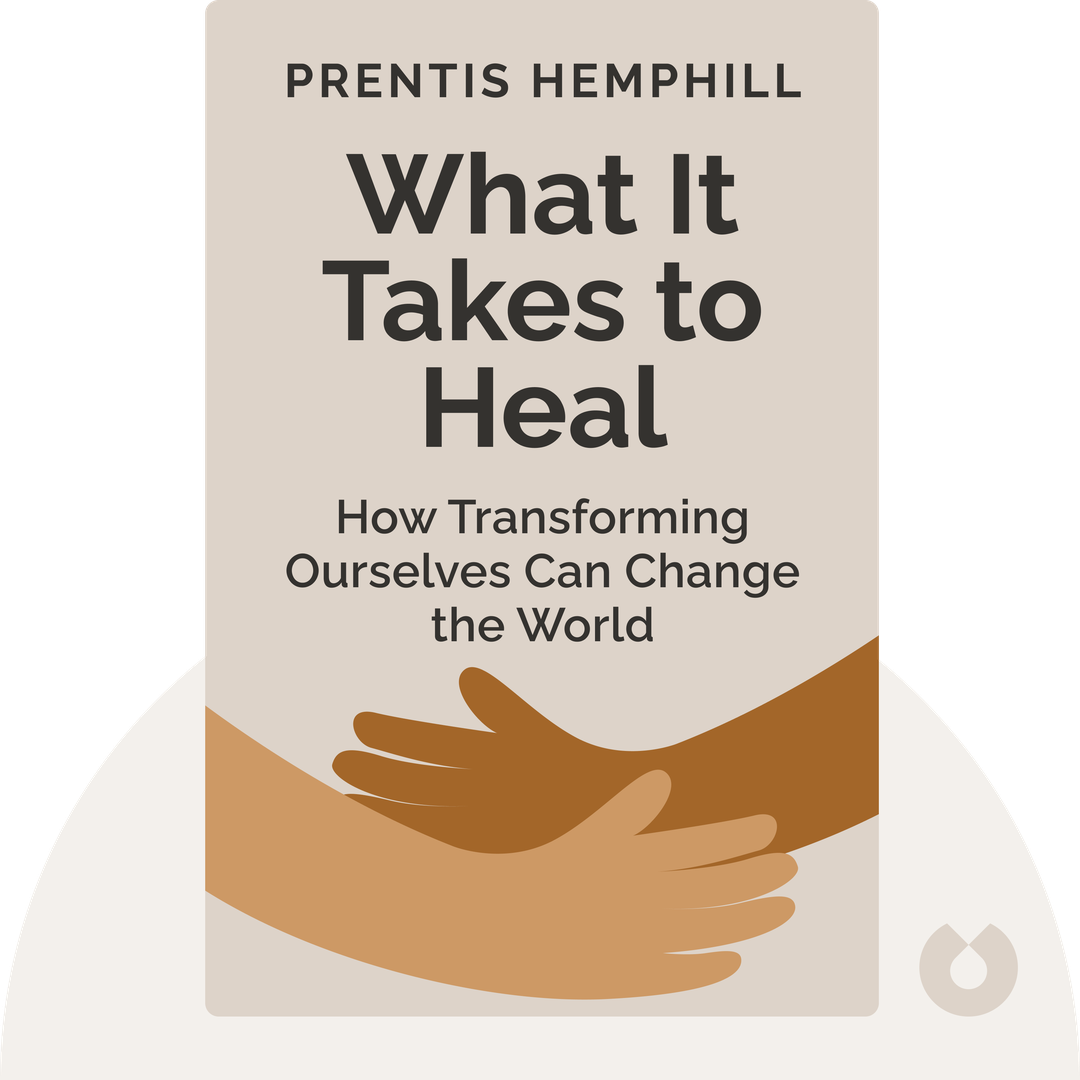
If You're Curious About These Questions...
You should listen to this audiobook
- Have you ever wondered why personal healing is often impossible to achieve in isolation from the communities we live in?
- What if you could transform your understanding of trauma from a private burden into a shared path toward collective resilience?
- Are you curious about the secret connection between your individual mindfulness practice and the broader fight for social justice?
Listen to What It Takes to Heal — Free Audiobook
Loading player...
Key Takeaways from What It Takes to Heal
- Understand why true healing extends beyond individual therapy sessions and demands collective action to create meaningful societal change.
- Learn how to break free from the limiting expectations of others by actively visioning and naming your deepest longings to shape a new reality.
- Realize how unaddressed personal trauma can derail social justice movements, making collective emotional well-being a strategic necessity for sustainable activism.
- Discover why intellectualizing your pain isn't enough, and how fully experiencing emotions physically within your body is crucial for releasing them.
- Master the practice of somatic awareness by recognizing physical cues, like chest tightness, to break deep-rooted automatic behaviors such as people-pleasing.
Learning Tools
Reinforce what you learned from What It Takes to Heal
Mind Map
What It Takes to Heal
Core Premise+
Vision and Imagination+
Trauma+
Embodiment+
Engaging+
Kinship and Belonging+
Courage and Love+
Quiz — Test Your Understanding
Question 1 of 7
What pivotal realization did Hemphill have about healing during the protests in Los Angeles?
Question 2 of 7
According to Hemphill, why is the practice of 'visioning' essential for personal and societal transformation?
Question 3 of 7
How can unaddressed personal trauma negatively impact social justice movements?
Question 4 of 7
What does Hemphill suggest is the first step in breaking the cycle of automatic, ingrained behaviors like people-pleasing?
Question 5 of 7
What lesson did Hemphill's gardening hobby teach them about the nature of social change?
Question 6 of 7
How does Hemphill define true 'allyship' and 'accompliceship'?
Question 7 of 7
When Hemphill was paralyzed by fear on a narrow hiking ledge, their partner advised them to 'become bigger than the fear.' What does this concept of courage mean in the context of the book?
What It Takes to Heal — Full Chapter Overview
- 1Recommendation
- 2Vision
- 3Trauma
- 4Embodiment
- 5Engaging
- 6Kinship and Belonging
- 7Courage and Love
What It Takes to Heal Summary & Overview
What It Takes to Heal (2024) explores the interconnected nature of personal and collective healing, drawing on the author’s experiences as a therapist, facilitator, and social justice advocate. It offers insights into how trauma manifests in individuals and communities, emphasizing the importance of understanding your own healing journey in relation to broader societal issues. Through a blend of personal anecdotes, practical exercises, and philosophical reflections, it provides a roadmap for cultivating resilience, compassion, and transformative change.
Who Should Listen to What It Takes to Heal?
- Self-help enthusiasts and mindfulness practitioners
- Social justice activists and organizers
- Community leaders and educators
Books Similar to What It Takes to Heal
Readers who enjoyed this also liked these titles.