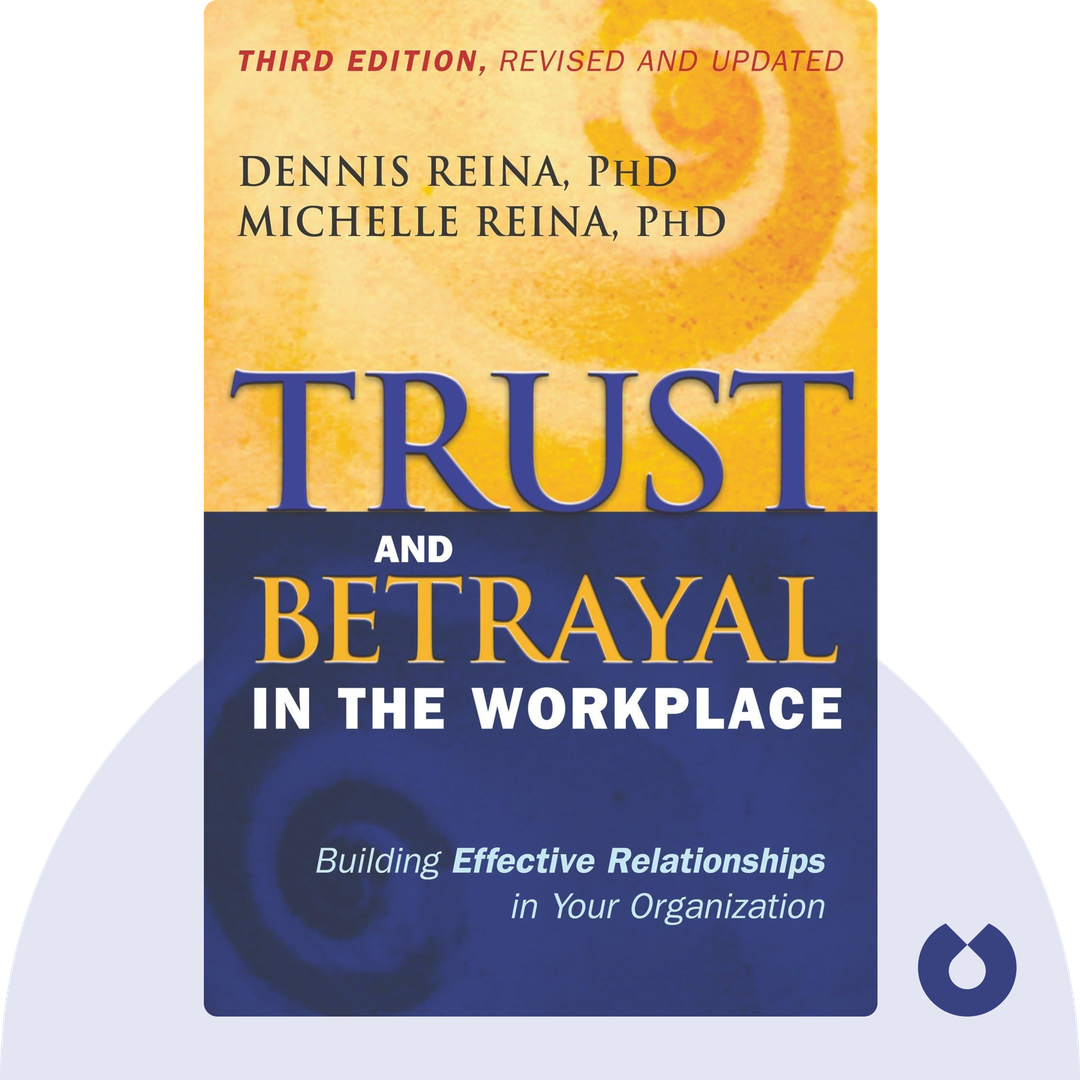
Trust and Betrayal in the Workplace
Start ListeningDownload Try free on iPhoneScan to start in 5 seconds
Categories:
If You're Curious About These Questions...
You should listen to this audiobook
- Did you know that the most damaging betrayals in the workplace aren't usually big scandals, but small, everyday actions you might not even realize you're doing?
- What if you could follow a practical, step-by-step roadmap to rebuild professional trust, even after it feels completely broken?
- Have you ever wondered why some teams navigate high-stakes changes with ease while others crumble under the pressure?
Listen to Trust and Betrayal in the Workplace — Free Audiobook
Loading player...
Key Takeaways from Trust and Betrayal in the Workplace
- Discover why minor, everyday slip-ups and dismissive comments erode workplace trust far more often than major, intentional betrayals.
- Learn how to actively rebuild damaged relationships by practicing empathy, transparency, and active listening to foster a resilient team culture.
- Master the art of managing expectations by setting clear, realistic goals and communicating upfront to prevent unintentional breakdowns in teamwork.
- Understand why sharing the reasoning behind workplace decisions, rather than communicating on a strict need-to-know basis, eliminates team anxiety and second-guessing.
- Find out how aligning your everyday actions with your words establishes the reliability and consistency needed to maintain a high-functioning, collaborative environment.
Learning Tools
Reinforce what you learned from Trust and Betrayal in the Workplace
Mind Map
Trust and Betrayal in the Workplace
The Erosion of Trust+
Setting Expectations+
Open Communication+
Empowering Colleagues+
Choosing Your Reaction+
Quiz — Test Your Understanding
Question 1 of 6
According to the text, what is the most common way trust is eroded in the workplace?
Question 2 of 6
What metaphor does the book use to describe the ongoing maintenance required for workplace trust?
Question 3 of 6
How can teams best prevent the unintentional breakdown of trust related to workplace expectations?
Question 4 of 6
What is a major consequence of sharing information only on a 'need-to-know' basis, according to the text?
Question 5 of 6
What message does micromanaging team members send, and what is its typical result?
Question 6 of 6
When dealing with a situation where someone has broken your trust, what is recommended as the first step in moving forward?
Trust and Betrayal in the Workplace — Full Chapter Overview
- 1Recommendation
- 2Small, overlooked actions erode trust in the workplace
- 3We weaken trust when we don’t equip others with the tools they need to succeed properly
- 4Communication can make or break teams
- 5Expressing appreciation to your colleagues strengthens their confidence in their own abilities
- 6Your response is your choice, even when others’ actions aren’t
Trust and Betrayal in the Workplace Summary & Overview
Trust and Betrayal in the Workplace (2007) explores how trust drives high-performing teams, making big goals achievable and workplace transitions smoother. It highlights the small, often unnoticed actions that break trust and offers practical steps to rebuild it. No matter your role, you can strengthen trust, improve collaboration, and create a more supportive, productive work environment.
Who Should Listen to Trust and Betrayal in the Workplace?
- Leaders seeking to build a more trusting workplace culture
- Employees struggling with broken trust in their teams
- Professionals navigating workplace change and collaboration challenges
Books Similar to Trust and Betrayal in the Workplace
Readers who enjoyed this also liked these titles.