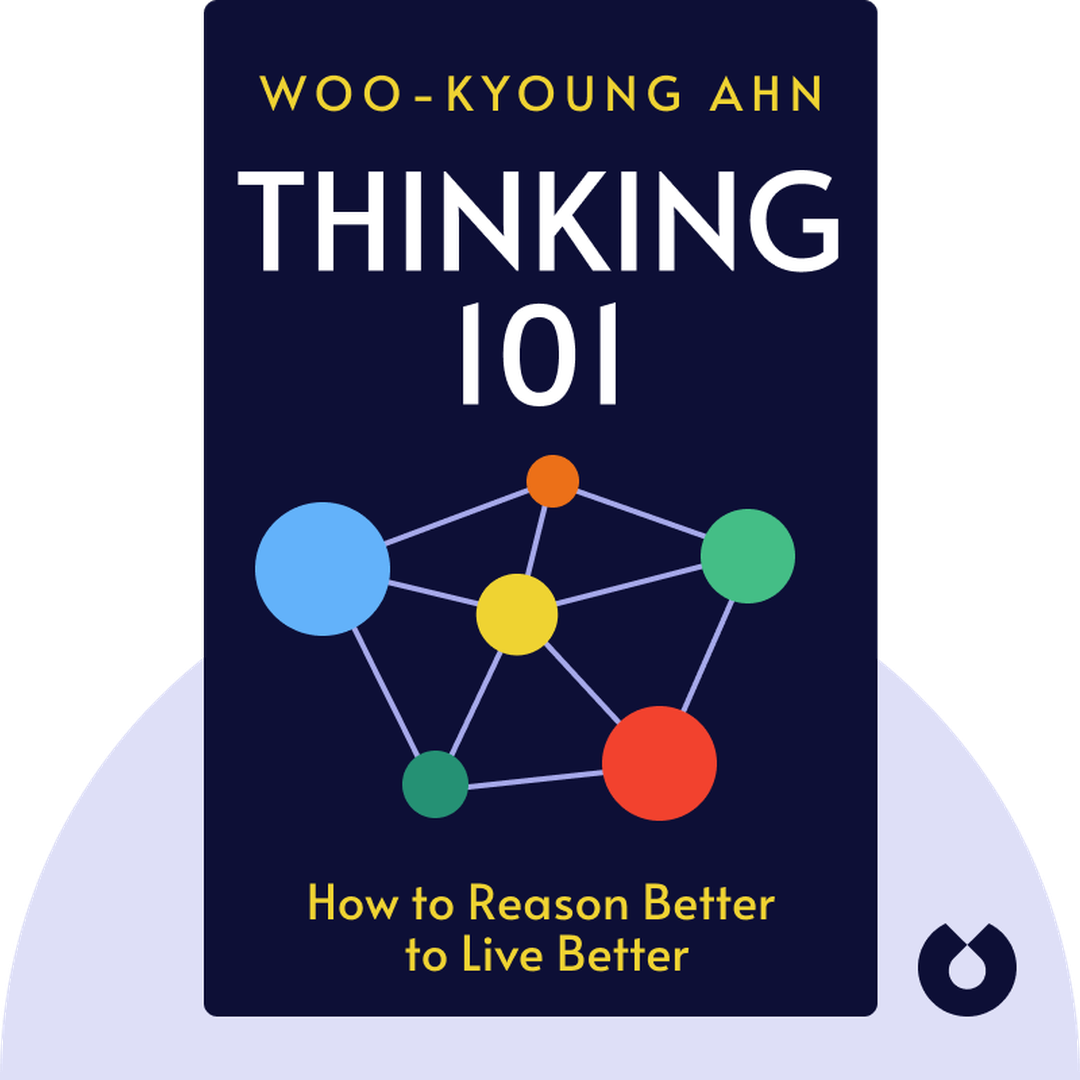
If You're Curious About These Questions...
You should listen to this audiobook
- Have you ever wondered why watching someone else perform a task makes us feel like experts, even when we haven’t practiced it ourselves?
- What if you could identify the hidden mental traps that cause most of your daily conflicts and learn how to avoid them entirely?
- Did you know that our brains are hardwired to misinterpret the motivations of others, and what is the secret to finally seeing things clearly?
Listen to Thinking 101 — Free Audiobook
Loading player...
Key Takeaways from Thinking 101
- Discover how the 'fluency effect' tricks your brain into overestimating your abilities, and learn to combat this overconfidence by adding a 50 percent padding to your project estimates.
- Understand how confirmation bias limits your problem-solving skills, and break free by testing mutually exclusive hypotheses or consciously changing your daily routines.
- Learn why our brains naturally prefer relatable anecdotes over hard statistics, and discover how to leverage the 'law of large numbers' to make rational, evidence-based decisions.
- Recognize how negativity bias and the 'endowment effect' cloud your judgment, causing you to irrationally cling to things simply because you already own them.
- Master practical, science-backed strategies from Yale's popular 'Thinking' course to overcome common cognitive pitfalls and make better-informed choices in your daily life.
Thinking 101 — Full Chapter Overview
Chapter 1: Recommendation
Chapter 2: Our minds overestimate how capable we are at tasks that seem simple.
Chapter 3: We tend to rely on what we think we know instead of weighing all possibilities.
Chapter 4: We favor stories and examples even when they conflict with logical, statistical evidence.
Chapter 5: We give too much weight to negative information and fear letting go of what we own.
Chapter 6: We mold new information so it fits what we already believe.
Chapter 7: We seldom truly grasp perspectives that differ from our own.
Chapter 8: We tend to accept smaller rewards now rather than wait for larger ones later.
Thinking 101 Summary & Overview
Thinking 101 (2022) asserts that by understanding and overcoming thinking biases, we can better solve or even avoid most problems, from everyday conflicts to larger societal issues.
Who Should Listen to Thinking 101?
- Problem solvers interested in thinking differently
- People who want to understand the actions and motivations of others
- Students or other academics interested in cognitive psychology
Books Similar to Thinking 101
Readers who enjoyed this also liked these titles.
Think Again
★ 4.6 / 5 • 1354 ratingsThe Power of Knowing What You Don't Know
Clear Thinking
★ 4.0 / 5 • 346 ratingsTurning Ordinary Moments into Extraordinary Results
Critical Thinking
★ 4.1 / 5 • 92 ratingsTools for Taking Charge of Your Learning and Your Life
The Art of Thinking Clearly
★ 4.5 / 5 • 408 ratingsThis gentle guide explores why the mind makes predictable mistakes, and how a little awareness can help people choose more wisely—by learning to question easy stories of success, resist the pull of the crowd, let go of sunk costs, and act with calm clarity.