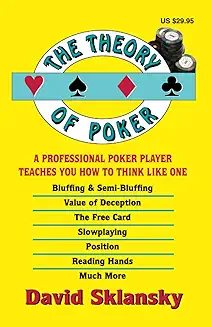
If You're Curious About These Questions...
You should listen to this audiobook
- Have you ever wondered why the secret to long-term poker profit isn't just about the cards you hold, but about mastering a single 'Fundamental Theorem' that exploits your opponents' mistakes?
- What if you could move beyond basic hand charts and use the hidden math of 'implied odds' to know exactly when a daring semi-bluff is actually your most profitable move?
- Are you curious about the strategic framework that separates gambling from professional decision-making, allowing you to win consistently regardless of which poker variant you’re playing?
Listen to The Theory of Poker — Free Audiobook
Key Takeaways from The Theory of Poker
- — Poker Isn’t Luck, It’s Leverage
- — Expectation: The Only Scoreboard
- — The Fundamental Theorem That Explains Profit
- — Antes, Pot Odds, and the Price of Chasing
- — Effective Odds, Implied Odds, Reverse Implied Odds
The Theory of Poker — Full Chapter Overview
Chapter 1: Recommendation
Chapter 2: Poker Isn’t Luck, It’s Leverage
Chapter 3: Expectation: The Only Scoreboard
Chapter 4: The Fundamental Theorem That Explains Profit
Chapter 5: Antes, Pot Odds, and the Price of Chasing
Chapter 6: Effective Odds, Implied Odds, Reverse Implied Odds
Chapter 7: Deception, Big Pots, Free Cards, and the Semi-Bluff
Chapter 8: Defending Against Semi-Bluffs and the Power of Raising
Chapter 9: Check-Raising, Slowplaying, and Adjusting to Loose/Tight Games
Chapter 10: Position, Bluffing Frequency, Game Theory, and the Final Round
Chapter 11: Hand Reading, Psychology, Table Analysis, and Game Selection
The Theory of Poker Summary & Overview
The Theory of Poker is a foundational strategy book that explains the logic behind winning decisions across many poker variants—draw, stud, hold ’em, razz, and lowball. Instead of offering rigid “do this with that hand” rules, it builds a mental framework: how to evaluate expectation, pot odds, effective odds, implied odds, and how opponents’ mistakes translate into your long-run profit.
The book’s centerpiece is the Fundamental Theorem of Poker: whenever someone plays differently than they would with perfect information, money shifts. From there, Sklansky connects core math to real table tactics—semi-bluffing, free cards, raising, check-raising, slowplaying, bluff frequency, game-theory mixing, hand reading, and psychological leverage—while constantly stressing structure, position, and opponent adjustment.
Who Should Listen to The Theory of Poker?
- Poker players who already know the rules and want a deeper, transferable framework beyond “starting hand charts.”
- Cash-game grinders and serious hobbyists who want to understand odds, implied odds, and why deception and position change everything.
- Strategy-minded listeners who enjoy decision theory: risk/reward, game theory, and exploiting systematic mistakes.
Books Similar to The Theory of Poker
Readers who enjoyed this also liked these titles.
Poker isn’t only about cards and chips—it’s a gentle training ground for handling uncertainty, reading situations clearly, and learning to respond with calm courage when life refuses to offer guarantees, even when you do everything “right.”
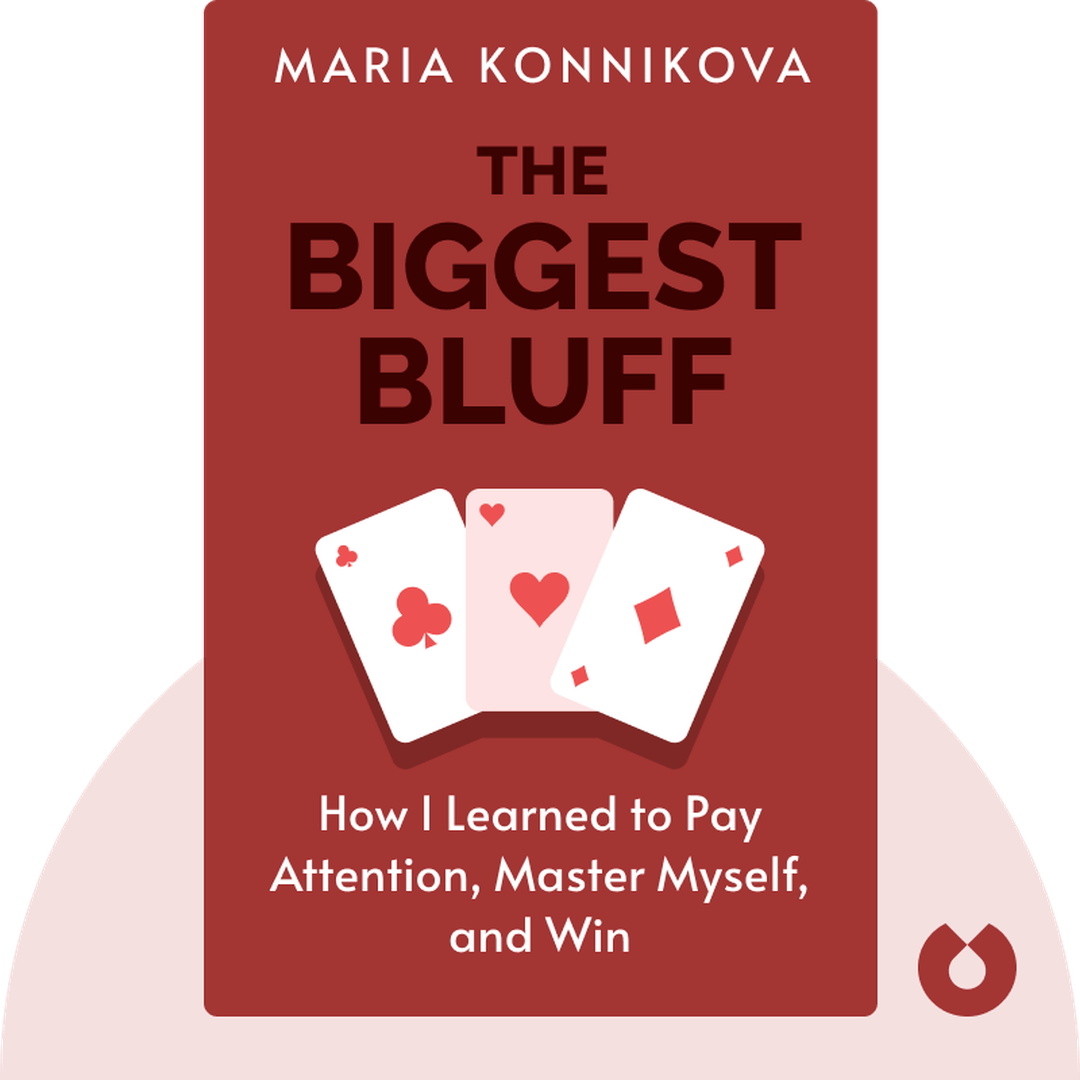
How I Learned to Pay Attention, Master Myself, and Win
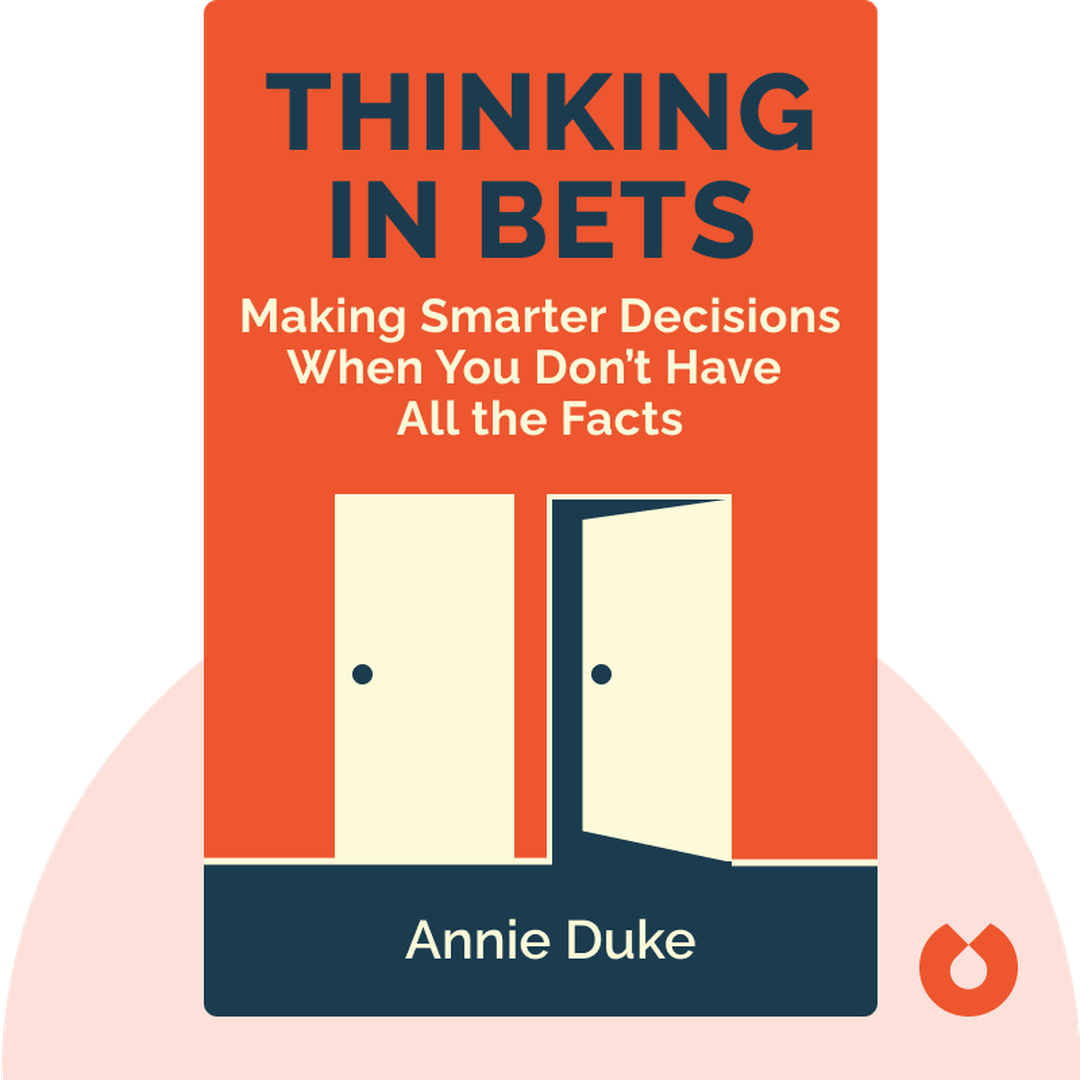
Making Smarter Decisions When You Don’t Have All the Facts
How Soccer Can Help Economics