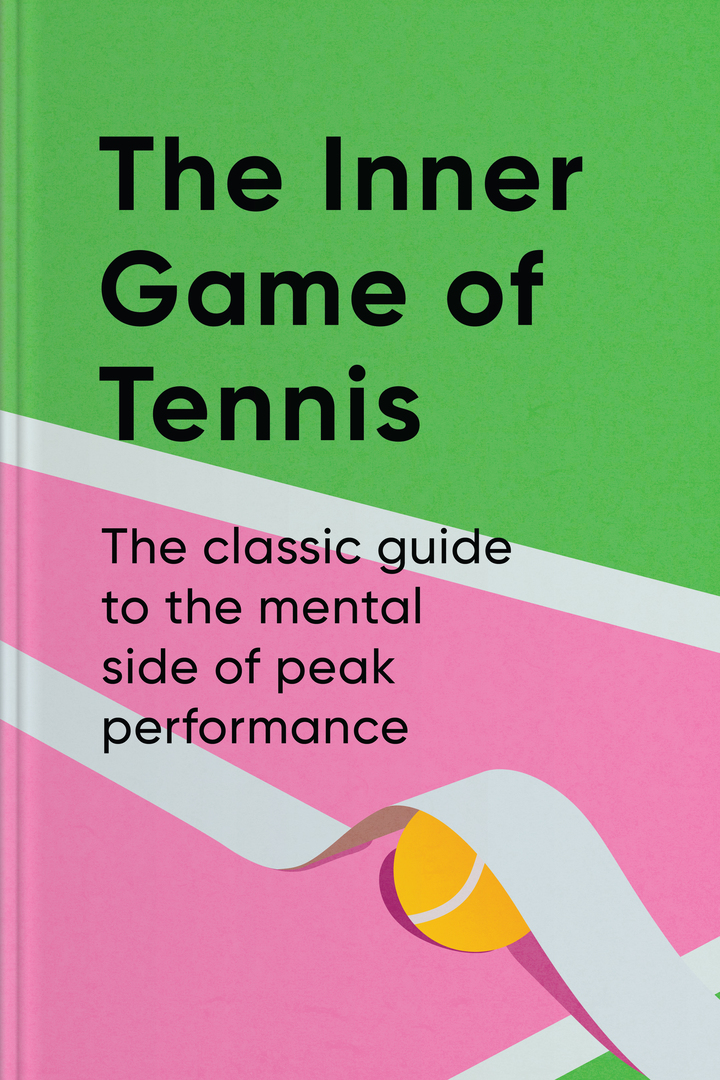
If You're Curious About These Questions...
You should listen to this audiobook
- Have you ever wondered why you can perform perfectly in practice, yet find yourself overthinking and struggling the moment the pressure is on?
- What if the secret to peak performance isn't about pushing yourself harder, but about learning how to get your own mind out of the way?
- Are you curious about the two 'selves' living inside your head and how their constant battle dictates whether you succeed or fail?
Listen to The Inner Game of Tennis — Free Audiobook
Key Takeaways from The Inner Game of Tennis
- Understand the critical difference between the physical 'outer game' and the mental 'inner game' to conquer the self-doubt that causes inconsistent performance.
- Discover how to quiet 'Self 1'—your critical, conscious voice—so you can trust 'Self 2' to execute actions fluidly without constant micromanagement.
- Master the art of becoming 'consciously unconscious' to easily enter the zone and replace anxious overthinking with deep, instinctive intelligence.
- Learn why 'trying too hard' actually sabotages your success by introducing physical tension and mental interference during high-pressure moments.
- Apply these powerful principles of focus and non-judgment to quiet your mind's constant commentary in everyday life, work, and high-stress situations.
The Inner Game of Tennis — Full Chapter Overview
Chapter 1: Recommendation
Chapter 2: The Match Within the Match
Chapter 3: Entering the Zone by Letting Go
Chapter 4: When Effort Turns into Interference
Chapter 5: Releasing Judgment, Returning to Feel
Chapter 6: Guiding the Body with Images, Not Arguments
Chapter 7: Quiet Focus: The Simple Discipline of the Ball
Chapter 8: Playing with Trust, in Tennis and Beyond
The Inner Game of Tennis Summary & Overview
This audio narration explores the heart of W. Timothy Gallwey’s message: strong tennis is built from two games at once—the outer game of technique and the inner game of attention, confidence, and calm. When the mind gets loud with doubt, judgment, and over-instruction, even skilled players can unravel. But when the mind becomes present, clear, and trusting, performance often rises naturally.
Across these chapters, listeners are guided through the ideas of “Self 1” and “Self 2,” the difference between trying hard and trying too hard, and the practical art of concentration—especially by simply observing the ball. The lessons are grounded in tennis, yet they gently point outward, offering a kinder, more effective way to learn, perform, and live.
Who Should Listen to The Inner Game of Tennis?
- Tennis players who practice well but struggle under match pressure, and want a calmer, more consistent mindset on court.
- Anyone who tends to overthink performance—whether in sports, work, or everyday decisions—and would like a more trusting, present approach.
Books Similar to The Inner Game of Tennis
Readers who enjoyed this also liked these titles.
Train Your Mind for Extraordinary Performance and the Best Possible Life
Secrets to Pure Performance
An Athlete’s Guide to Inner Excellence
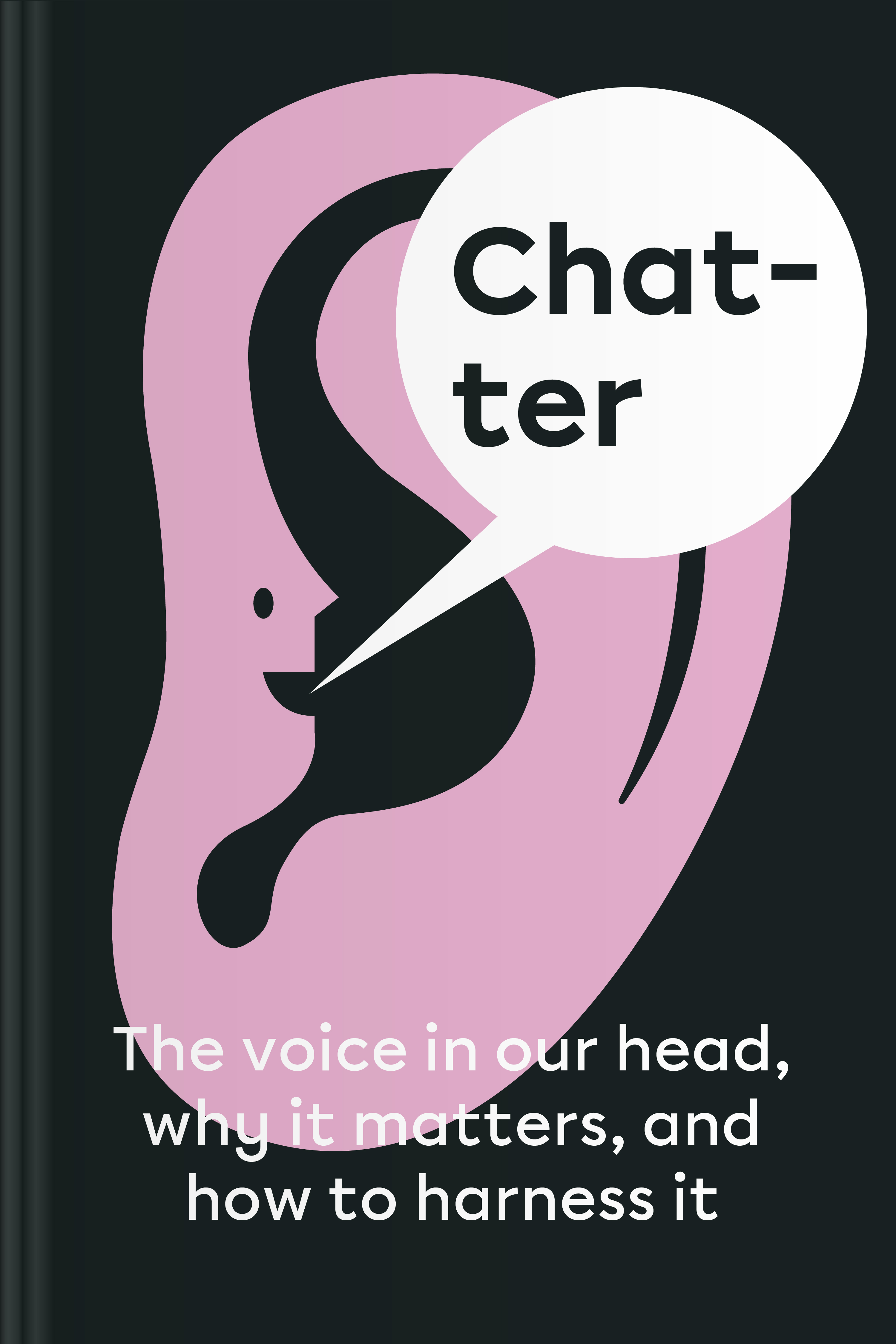
In the quiet moments when the mind gets loud, this gentle audio journey explores why inner chatter spirals, and how small, practical shifts—perspective, supportive relationships, calming environments, and steadying beliefs—can turn an inner critic into a wiser, kinder guide.