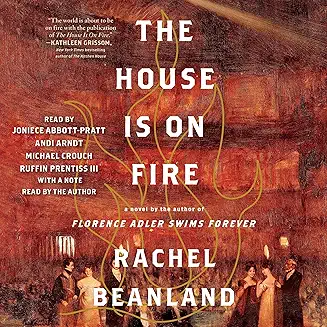
If You're Curious About These Questions...
You should listen to this audiobook
- Did you know that for those living in the shadows of 1811 Virginia, a devastating city-wide tragedy could actually provide the perfect, smoke-filled cover for a desperate bid for freedom?
- Have you ever wondered what happens when the very people meant to protect society are the first to abandon their roles, leaving the most vulnerable to become the night's unexpected heroes?
- Are you curious about how a single hour of chaos can force a whole community to rewrite its history, deciding whose lives are worth remembering and whose stories are better left in the ashes?
Listen to The House Is on Fire — Free Audiobook
Key Takeaways from The House Is on Fire
- — The Cry That Splits the Night
- — Winter Seats and Hidden Chains
- — The Pulley, the Rope, the Order
- — Corridors of Breath and Windows of Bone
- — Morning Ash and the First Lie
The House Is on Fire — Full Chapter Overview
Chapter 1: Recommendation
Chapter 2: The Cry That Splits the Night
Chapter 3: Winter Seats and Hidden Chains
Chapter 4: The Pulley, the Rope, the Order
Chapter 5: Corridors of Breath and Windows of Bone
Chapter 6: Morning Ash and the First Lie
Chapter 7: Whips, Flyers, and the Price of Breath
Chapter 8: The Birdcage and the Bargain
Chapter 9: Procession, Escape, and the Burning of One Life
Chapter 10: What Survives the Flames
The House Is on Fire Summary & Overview
The House Is on Fire reimagines the true 1811 Richmond Theater fire through a tight, cinematic mosaic of perspectives. On a bitter winter night, a benefit performance draws politicians, socialites, workers, and the enslaved into one crowded building. When flames burst above the stage, panic turns architecture into a trap—and survival becomes a matter of seconds, strength, and sheer luck.
Rachel Beanland follows four protagonists as the disaster unfolds and its aftermath ripples outward: a widowed woman navigating a world built for men’s protection that fails her; an enslaved young woman who recognizes that catastrophe can be cover for escape; an enslaved blacksmith propelled into heroism while white authorities search for scapegoats; and a teenage stagehand crushed by culpability and the machinery of denial. The novel’s power lies not only in the fire itself, but in what comes after—how a community mourns, rewrites events, and decides who is blamed, who is saved, and who is allowed to be remembered.
Who Should Listen to The House Is on Fire?
- Listeners who love immersive historical fiction rooted in a real event, with vivid period detail and high-stakes momentum.
- Readers drawn to multi-POV survival stories that interrogate class, gender, and race under pressure.
- Fans of character-driven disaster narratives where the emotional aftermath is as gripping as the catastrophe.
Books Similar to The House Is on Fire
Readers who enjoyed this also liked these titles.
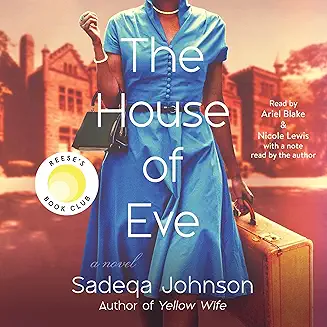
In 1948, two young Black women—one in Philadelphia, one at Howard—fight for futures they can barely afford, only to be pulled into a hidden system where love, class, colorism, and forced adoption decide who gets to keep a child and who gets erased.
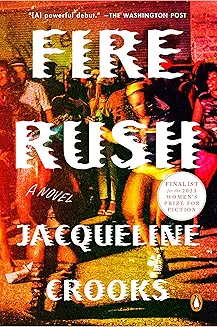
Late-night dub, smoke-thick crypts, and a love that cannot survive Babylon’s grip. When Yamaye dances, she calls the living and the dead—until a police cell takes her future and a London riot sets her world on fire. She flees across waters toward the rebel heart of Jamaica, where music, memory, and magic demand truth.
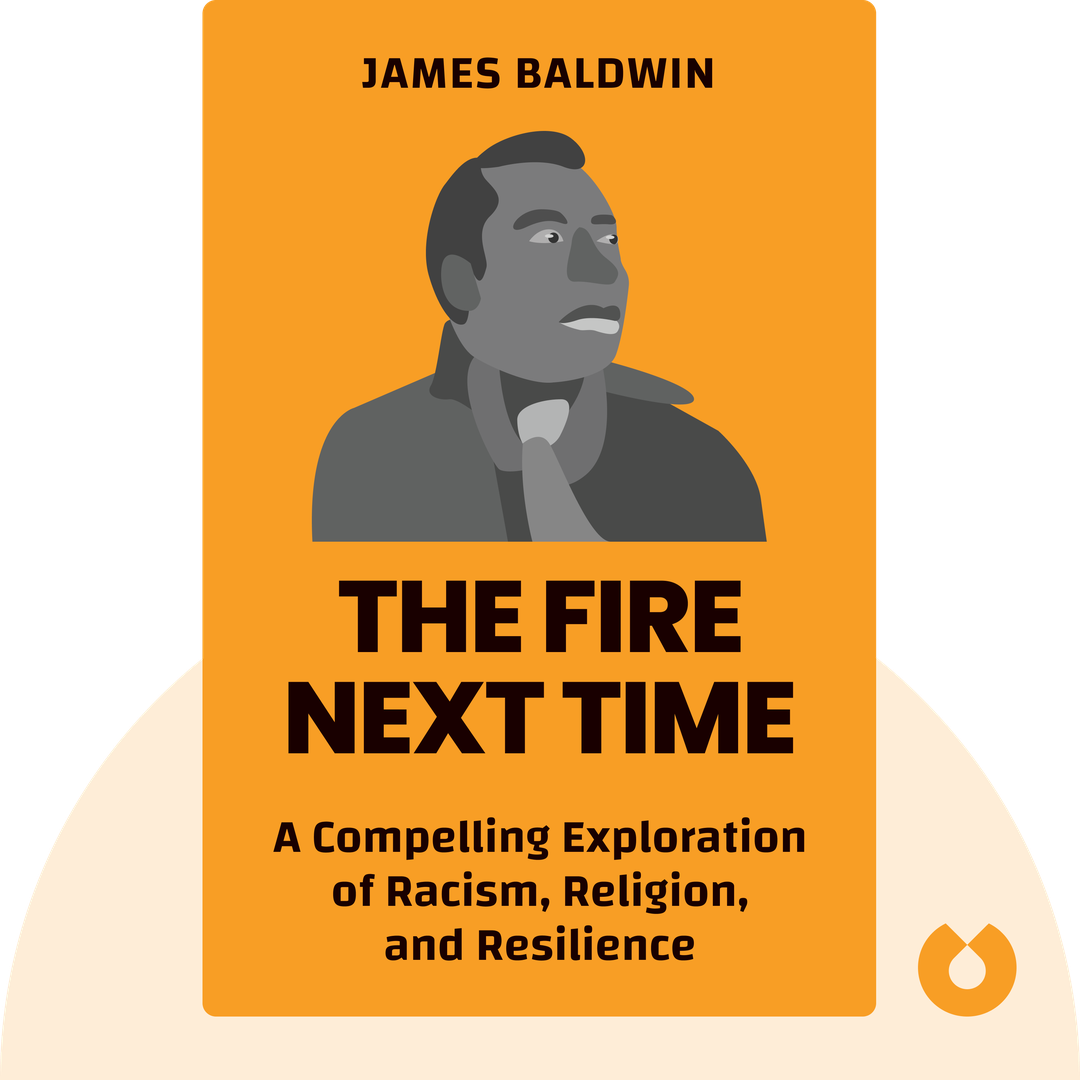
A Compelling Exploration of Racism, Religion, and Resilience
On the morning Loretta is finally ready to tell the world what happened at the isolated “Home for Wayward Girls,” the past tightens like a noose—because the man who ran it may still be hunting her, even all these years later.