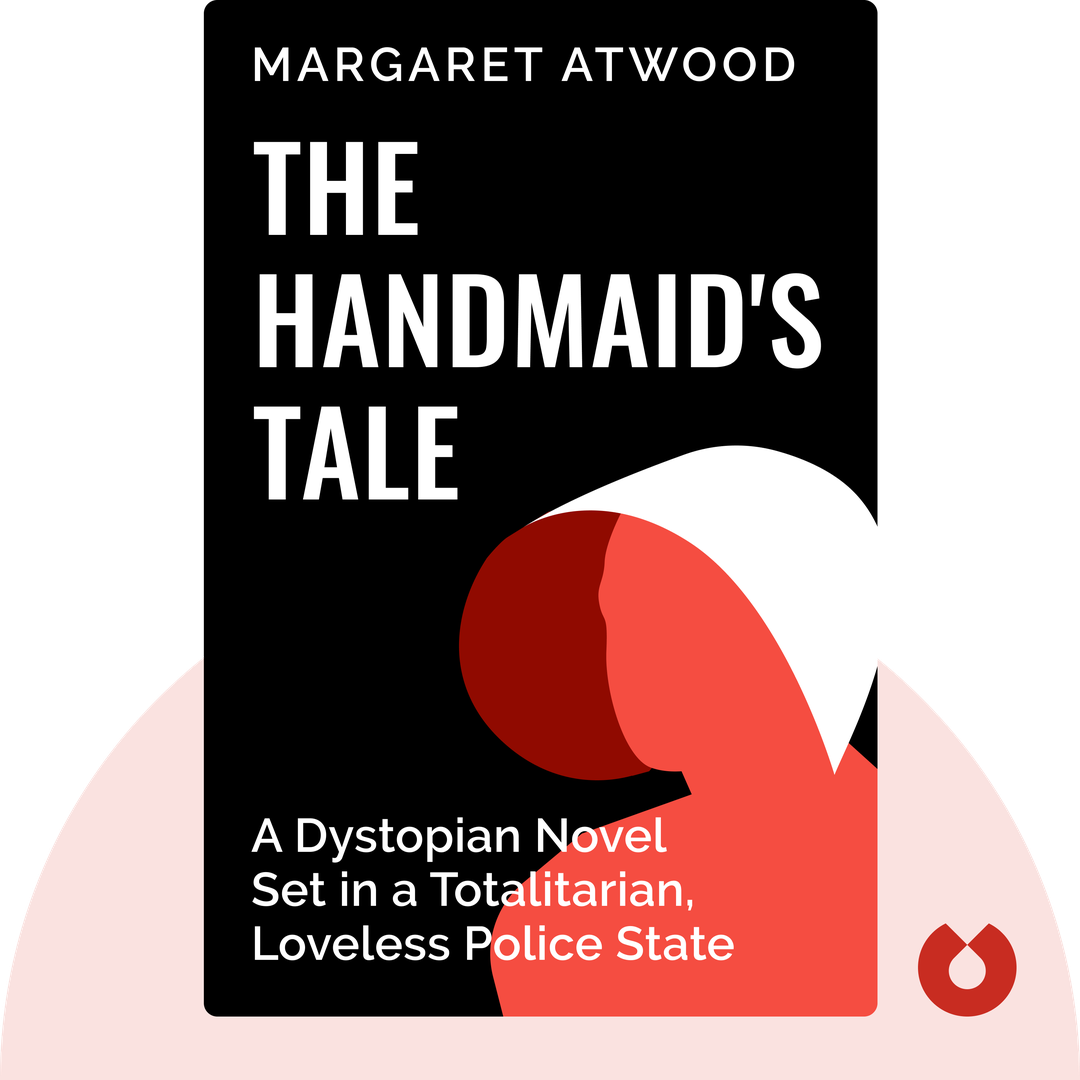
If You're Curious About These Questions...
You should listen to this audiobook
- In Gilead, Handmaids are stripped of their real names and given titles like 'Offred' or 'Ofglen' to denote which Commander they belong to. How does this forced erasure of identity serve as a tool of psychological control and patriarchal ownership?
- Aunt Lydia attempts to convince the Handmaids at the Red Centre that Gilead actually protects and respects women by eliminating the sexual violence of the former USA. How does the novel use this argument to explore the dangerous trade-off between individual freedom and the illusion of safety?
- Margaret Atwood based the ruthless, puritanical politics of Gilead on real historical events like the Salem witch trials rather than pure fiction. How does knowing that Gilead's laws are rooted in actual history change the way we interpret the novel's warning about modern political shifts?
Listen to The Handmaid's Tale — Free Audiobook
Key Takeaways from The Handmaid's Tale
- Discover how historical events like World War II, the Iron Curtain, and the Salem witch trials inspired the ruthlessly puritanical and totalitarian state of Gilead.
- Understand why the red-robed Handmaids have jumped from the pages of fiction to become a powerful, real-world symbol of protest against the modern rollback of women's reproductive rights.
- Learn how the Republic of Gilead systematically strips women of their autonomy by dividing them into rigid, color-coded castes such as Wives, Handmaids, Marthas, and Aunts.
- Explore the stark contrast between protagonist Offred’s liberated past in the United States and her dehumanizing present as a nameless Handmaid forced into reproductive servitude.
- Uncover the chilling methods used to maintain absolute control over citizens, ranging from the ubiquitous secret police known as the Eyes to the psychological conditioning at the Red Centre.
The Handmaid's Tale — Full Chapter Overview
Chapter 1: Recommendation
Chapter 2: Gilead – a dystopia rooted in our real world
Chapter 3: The making of a Handmaid
Chapter 4: Resistance and revolt
The Handmaid's Tale Summary & Overview
The Handmaid’s Tale (1985) is a contemporary classic – the story of a patriarchal dystopia that inspired the hit television series of the same name and remains as relevant today as it did when it was first published.
Who Should Listen to The Handmaid's Tale?
- Literature lovers who want to brush up on a modern classic
- Feminists seeking an introduction to this iconic critique of the patriarchy
- Speculative fiction fans who want to learn more about a notable literary dystopia
Books Similar to The Handmaid's Tale
Readers who enjoyed this also liked these titles.
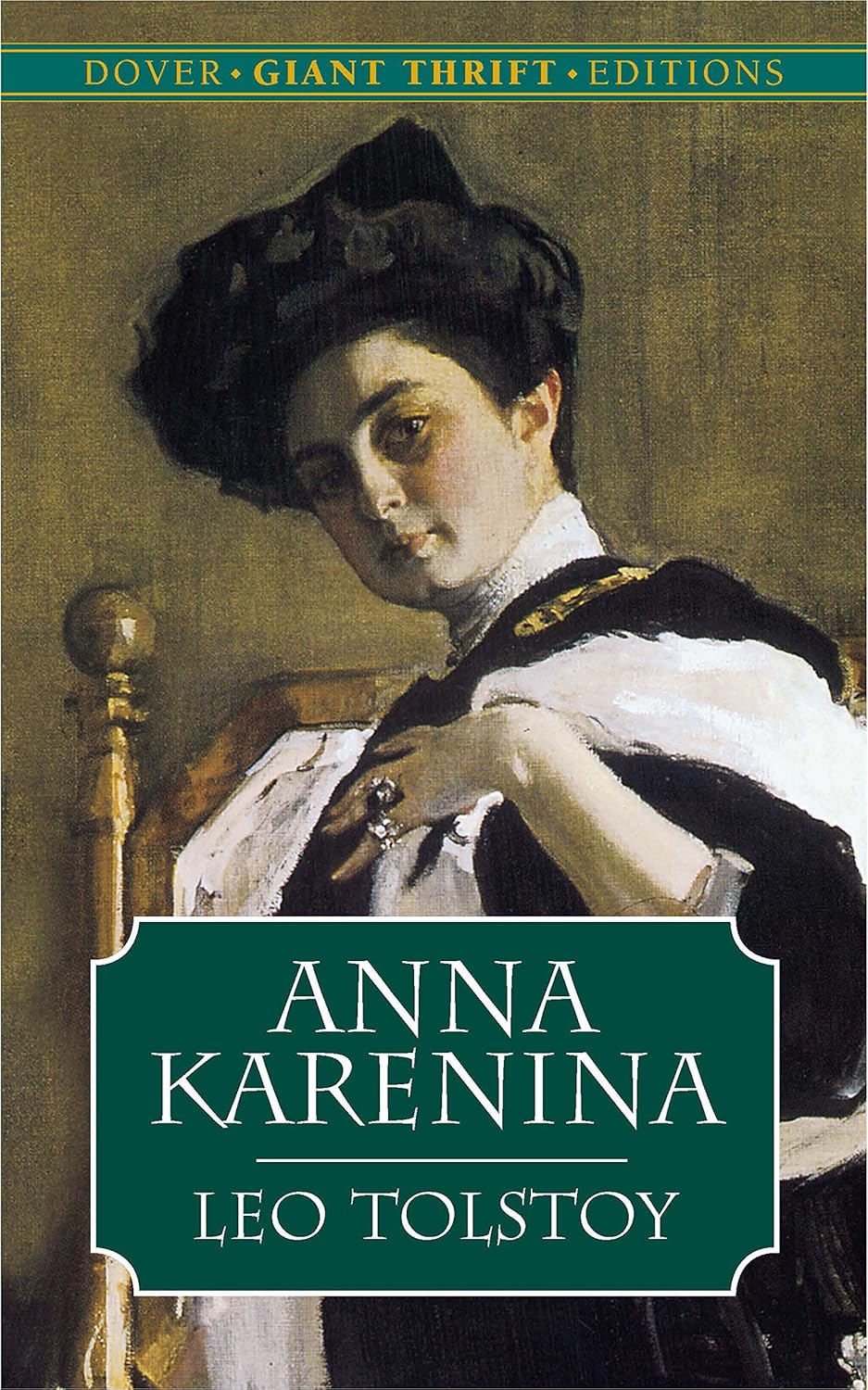
When a single betrayal throws one household into chaos, Tolstoy opens a vast, glittering world where love collides with duty, desire with propriety, and private choices ripple outward—testing marriages, friendships, faith, and the very meaning of a good life.

In a future where babies are engineered on assembly lines and happiness is enforced by conditioning and pleasure, one man’s unease cracks the glossy surface—exposing what a society gains, and loses, when comfort replaces conscience, art, and freedom.
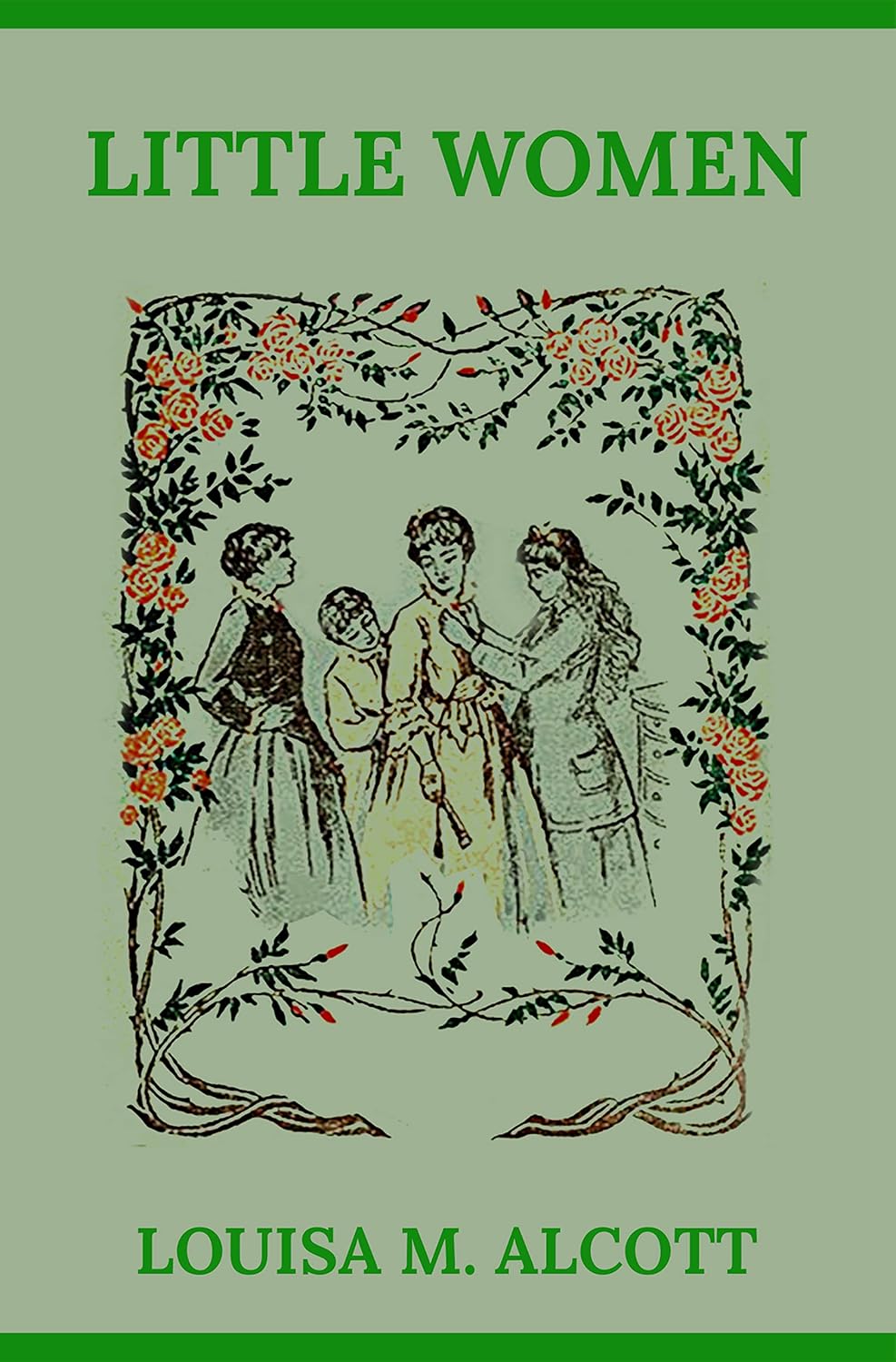
In a modest New England home shadowed by war and want, four March sisters—spirited Jo, gentle Beth, earnest Meg, and ambitious Amy—learn that growing up means testing dreams against duty, and discovering what kind of women they truly wish to become.
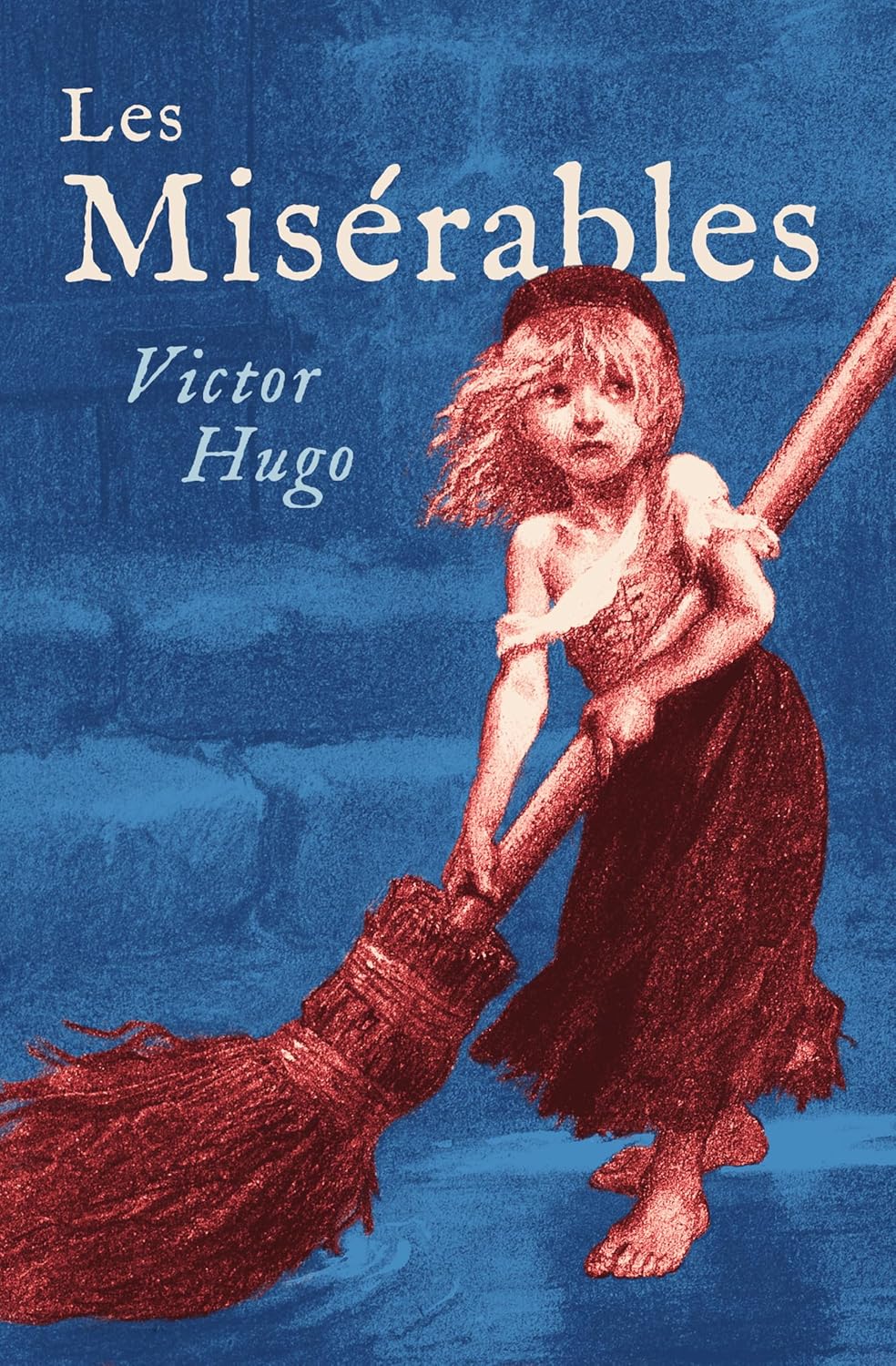
From a bishop’s startling act of mercy to the long shadow it casts across lives marked by poverty, love, law, and revolution, Hugo’s epic asks what it means to be just—and whether compassion can outlast cruelty.