If You're Curious About These Questions...
You should listen to this audiobook
- Did you know that the U.S. electric grid is considered the largest machine ever built by humans, yet it remains one of our most fragile infrastructures?
- Have you ever wondered why the very green energy solutions meant to save our planet are pushing our aging power grid to its breaking point?
- What if the biggest obstacle to a sustainable future isn't how we generate electricity, but the century-old system we use to move it?
Listen to The Grid — Free Audiobook
Loading player...
Key Takeaways from The Grid
- Understand why the aging US electrical grid experiences more frequent outages than other industrialized nations, leaving modern society vulnerable to threats ranging from severe storms to squirrels.
- Discover why the traditional power grid operates on a delicate, real-time balance where electricity generation must instantly match consumption due to a lack of built-in storage.
- Learn how the natural inconsistency of wind and solar power clashes with a grid built for steady output, making them difficult to use as primary energy sources without significant modernization.
- Uncover how alternating current (AC) and transformers revolutionized chaotic early microgrids by allowing high-voltage power to travel long distances, paving the way for a unified system.
- Explore why building a more resilient power future requires a blend of modernized engineering, diversified microgrids, and decentralized secondary inputs like home solar panels.
The Grid — Full Chapter Overview
Chapter 1: Recommendation
Chapter 2: The earliest electric grid, born in the 1870s, swept quickly across the world.
Chapter 3: Electric lighting yielded an abundance of local power grids, but AC’s invention enabled substantially larger ones as well, regionally.
Chapter 4: Electricity invited monopolization, yet the product’s very nature complicated the effort considerably for insiders.
Chapter 5: Insull surmounted hurdles and built a thriving firm before joining forces with others.
Chapter 6: Efficiency problems and constraints on the oil supply had profound impacts on the American electricity industry overall.
Chapter 7: By the 1970s, growing awareness of energy conservation spurred legislation and weakened electricity monopolies across the United States.
Chapter 8: Even small glitches on the grid can trigger major disasters, and utilities are under strain today.
Chapter 9: New technology could help upgrade the grid, but consumers still harbor concerns today.
Chapter 10: Severe weather has fueled demand for sturdier grids, and going smaller might be the answer for many.
The Grid Summary & Overview
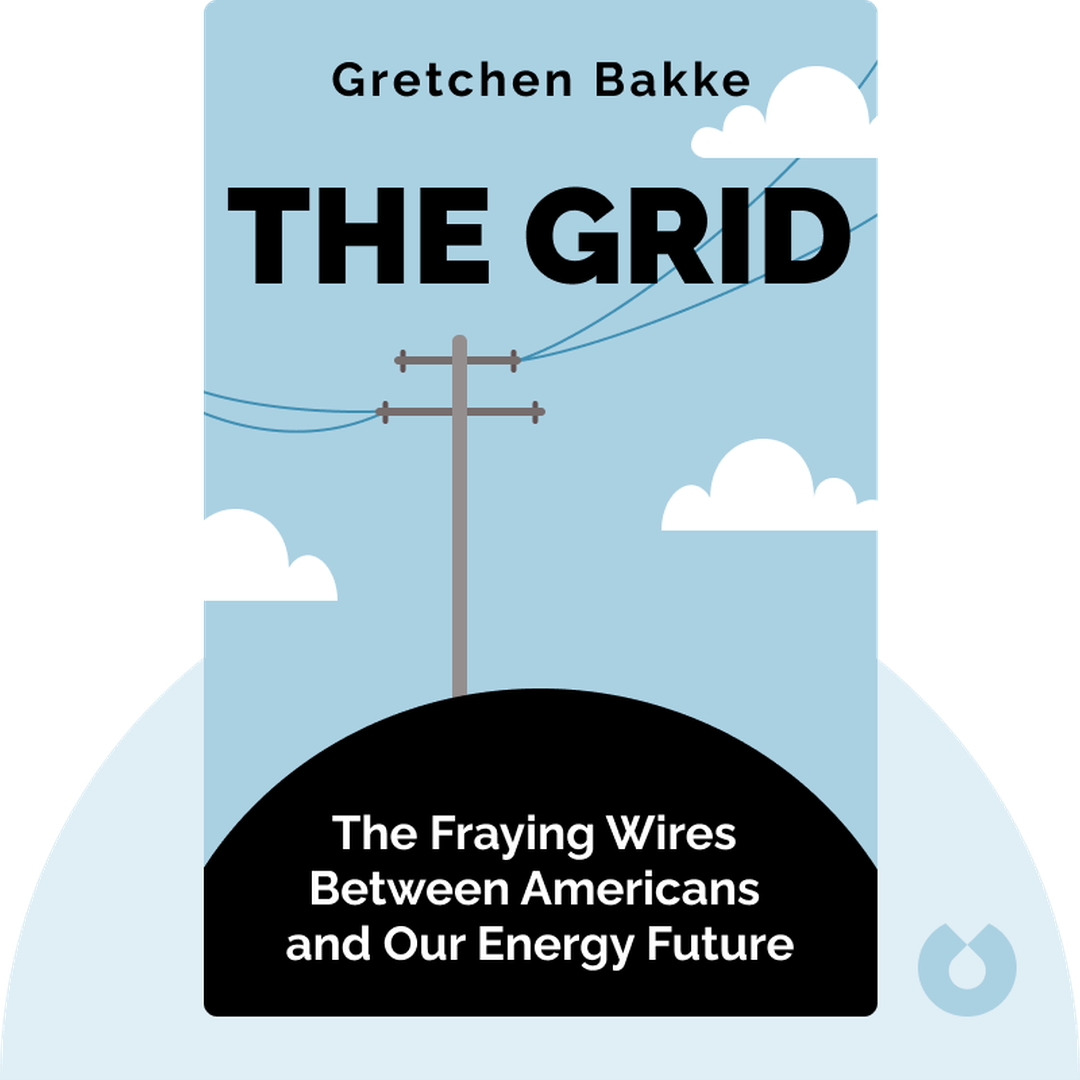
The Grid (2016) is about the enormous infrastructure that keeps the United States powered up. These blinks tell the story of how the electric grid came into being, how it has evolved over centuries and what challenges it poses today.
Who Should Listen to The Grid?
- Students of public policy and environmental law
- Engineers and tech enthusiasts
Books Similar to The Grid
Readers who enjoyed this also liked these titles.