If You're Curious About These Questions...
You should listen to this audiobook
- Did you know that a midwife’s private ledger could be the only thing standing between a corrupt town and the truth about a cold-blooded crime?
- Have you ever wondered what happens when the legal system fails and the only witness to a crime is a woman whose voice society is desperate to silence?
- Are you curious about how one woman’s knowledge of life, death, and medicine could unravel a conspiracy hidden beneath the surface of a frozen river?
Listen to The Frozen River — Free Audiobook
Key Takeaways from The Frozen River
- A corpse in the ice and a winter holding its breath
- Courts, confrontations, and holding the peace at home
- How Martha chose her path: a hanging and a marriage
- The long winter and an obstinate court
- Love in winter: the first night Martha fully says yes
The Frozen River — Full Chapter Overview
Chapter 1: Recommendation
Chapter 2: A corpse in the ice and a winter holding its breath
Chapter 3: Courts, confrontations, and holding the peace at home
Chapter 4: How Martha chose her path: a hanging and a marriage
Chapter 5: The long winter and an obstinate court
Chapter 6: Love in winter: the first night Martha fully says yes
Chapter 7: Poor medicine, fine midwifery, and truth as tonic
Chapter 8: Learning her craft: Martha’s apprenticeship
Chapter 9: A mother’s ledger and the court’s chill response
Chapter 10: The season of grief
Chapter 11: Thaw, grace, and who truly did the hanging
Chapter 12: Arriving in Hallowell and claiming a home
Chapter 13: Kits in the grass; the river sings again
The Frozen River Summary & Overview
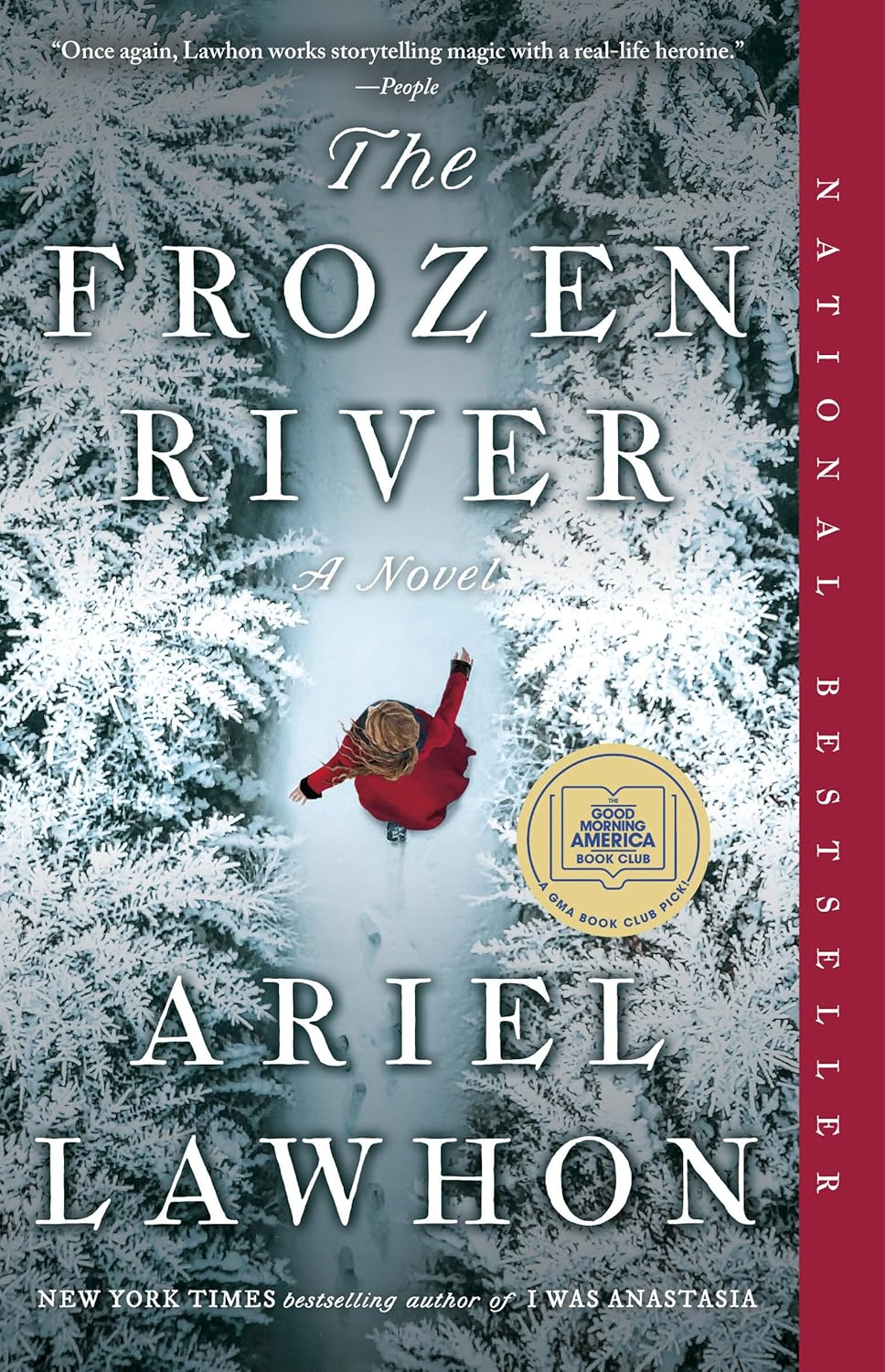
What do you do when the river freezes, the courts are compromised, and men with power call their violence righteousness? You keep your head, put your hands to the work, and write everything down. In The Frozen River, we follow Martha Ballard: midwife, apothecary, journal keeper, and a fierce witness to the quiet lives of women in post-Revolution Maine. It’s late 1789. A body is cut from the Kennebec River ice. The pastor’s wife, Rebecca Foster, claims Judge Joseph North and Captain Joshua Burgess raped her. The court hedges, the town divides, and Martha—who saw Rebecca’s injuries and believes her—pushes for a truth most men would rather ignore. She delivers babies, buries the dead, confronts fools, and squares up against a winter that feels like it will never end. As the river groans, the tavern fills, and rumors spread, Martha’s ledger becomes the spine of the town’s memory. The story carries us through a blizzard, a doomed trial, a castration in self-defense, and the delicate mercy of saving a newborn no mother can bear to claim. It’s about marriage that holds, children lost and cherished, and a community learning what justice looks like when it’s women who keep the books. Ariel Lawhon’s historical novel reads like a living diary—tense, tender, and exact—reminding us that quiet, persistent courage can hold its own against the cold.
Who Should Listen to The Frozen River?
- Listeners who love historical fiction grounded in real women’s lives
- Fans of courtroom drama woven with intimate domestic detail
- Anyone drawn to stories of midwifery, community, and moral courage
- Readers who appreciate slow-burn tension with a vivid sense of place
- Book clubs ready to discuss justice, consent, and the power of keeping a diary
Books Similar to The Frozen River
Readers who enjoyed this also liked these titles.
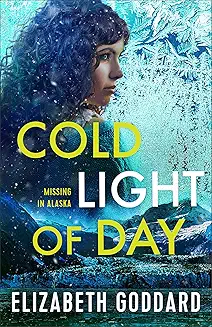
A drowning in an Alaskan fjord pulls a guarded police chief and a secretive newcomer into a tightening web of murder, corruption, and a past that won’t stay buried. As bodies surface and storms roll in, trust becomes the only lifeline—if they can hold on to it.

A woman burns down her past, drags a chained trunk toward a new life in 1915 Montana, and discovers the frontier demands a different kind of courage. Lone Women is a fierce, tender, and terrifying story about secrets, survival, and sisterhood on the edge of the world.

When a Colorado town is drowned to make way for a reservoir, one young woman’s secret love, loss, and fierce will to begin again become the current that carries her toward a long-awaited reunion.

Framed for murder and fleeing Chicago with a dying woman’s baby, Catherine Remington reaches a Colorado sheriff who doesn’t recognize her—then offers marriage on the spot, forcing them to survive scandal, danger, and a kidnapping before love can become a choice.