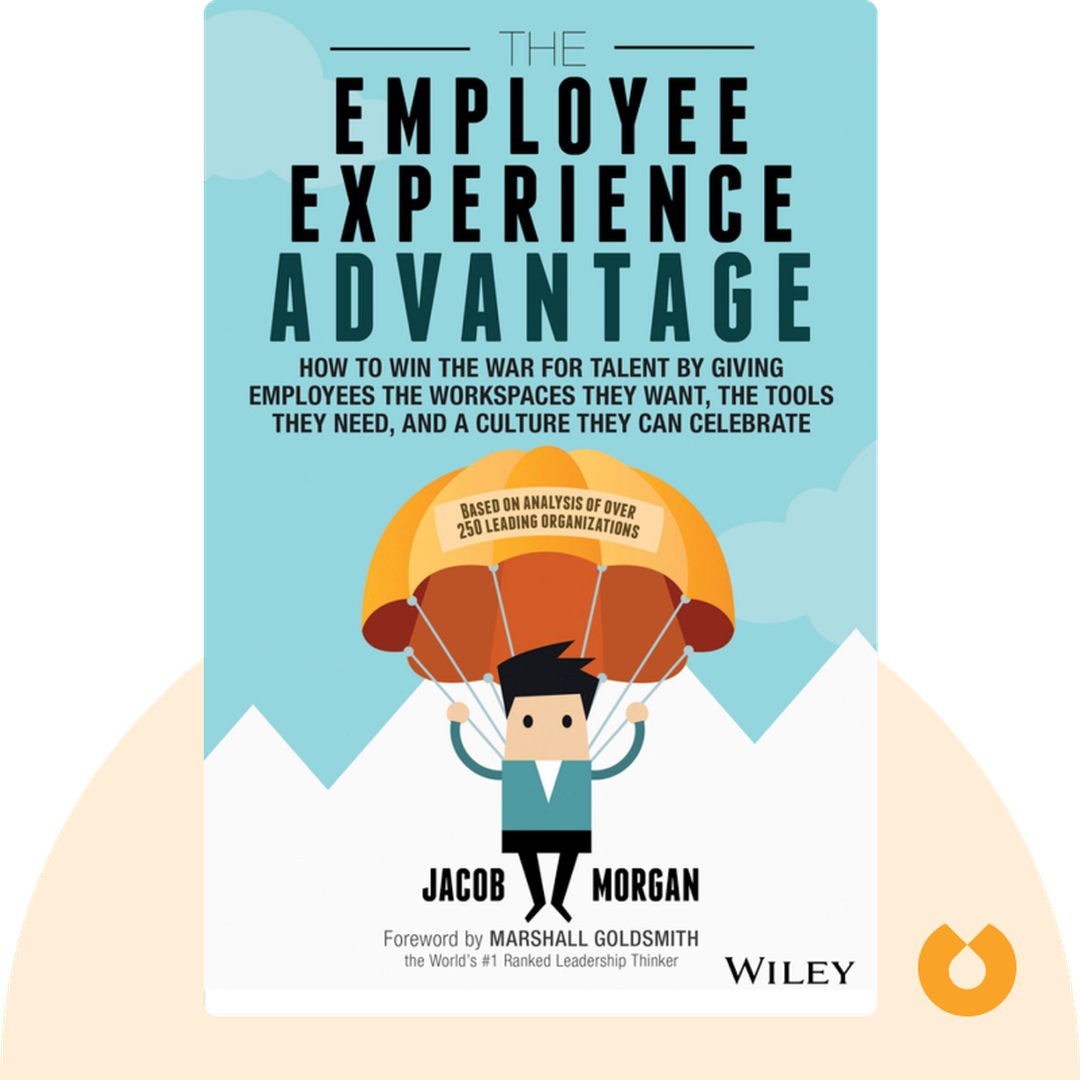
The Employee Advantage
Start ListeningDownload Try free on iPhoneScan to start in 5 seconds
Categories:
If You're Curious About These Questions...
You should listen to this audiobook
- Did you know that the most successful companies in the world often prioritize their employees' well-being over their quarterly profits—and end up more profitable because of it?
- What if you could transform your company culture into a competitive advantage that not only attracts top talent but also fuels constant innovation?
- Are you curious about the specific leadership strategies that turn a standard workplace into a high-performance environment where employees feel genuinely valued and motivated?
Listen to The Employee Advantage — Free Audiobook
Loading player...
Key Takeaways from The Employee Advantage
- Discover why the post-pandemic shift in workplace norms makes flexibility, purpose, and values just as critical as a paycheck for retaining top talent.
- Learn how to apply the 'value stick' framework to lower your employees' minimum acceptable conditions, improving job satisfaction while reducing costly turnover.
- Understand why easily copied perks like free snacks fail, and how tailoring authentic, meaningful changes to your workforce creates a lasting competitive advantage.
- Find out how empowering workers to instantly flag problems, inspired by Toyota's famous andon cord, builds profound trust and drives continuous innovation.
- Explore the measurable ROI of putting your team first, backed by data showing that a one-point increase in worker satisfaction directly boosts customer satisfaction and market value.
Learning Tools
Reinforce what you learned from The Employee Advantage
Mind Map
The Employee Advantage
Evolving Workforce Priorities+
The Business Case for Investment+
Measurable Business Benefits+
Trust and Autonomy+
Skill Alignment and Growth+
The Power of Connection+
Tailoring Employee Experience (EX)+
Quiz — Test Your Understanding
Question 1 of 7
What does the text identify as a primary driver behind the 'quiet quitting' trend and the Great Resignation?
Question 2 of 7
In the 'value stick' framework, how can a company create value through its employees?
Question 3 of 7
What is the purpose of the 'andon cord' used in the Toyota Production System?
Question 4 of 7
According to the text, what is a negative consequence of 'Taylorism' in modern management?
Question 5 of 7
What concept from motivational psychology helps prevent both burnout and disengagement by aligning assignments with an employee's skill level?
Question 6 of 7
What was the result of Bank of America synchronizing coffee breaks for its call center employees?
Question 7 of 7
How did Starbucks successfully personalize the employee experience (EX) for its workforce?
The Employee Advantage — Full Chapter Overview
- 1Recommendation
- 2Reimagining work-life balance after the pandemic
- 3The business case for investing in staff
- 4The tangible business gains of prioritizing employees
- 5How trust fuels productivity and morale
- 6Maximizing employee potential via skill alignment
- 7The power of connection to drive innovation
- 8Tailoring work experiences for maximum engagement and success
The Employee Advantage Summary & Overview
The Employee Advantage (2024) argues that prioritizing employees can drive business success by encouraging innovation, improving profitability, and attracting top talent. It highlights how organizations can benefit from focusing on employee well-being, showcasing examples of companies that have thrived by adopting an employee-centric approach. It also provides actionable strategies for leaders to create workplaces where employees feel valued and motivated.
Who Should Listen to The Employee Advantage?
- Business leaders seeking innovative employee engagement strategies
- Entrepreneurs building people-focused, sustainable organizations
- Students of business or organizational psychology
Books Similar to The Employee Advantage
Readers who enjoyed this also liked these titles.