If You're Curious About These Questions...
You should listen to this audiobook
- What if you could move beyond individual stress management and build a team with 'systemic resilience' that thrives despite constant change?
- What’s the secret to the five transformative mindsets that bridge the gap between rapid technological growth and deep employee engagement?
- Did you know that traditional leadership tactics might actually be fueling the very burnout you’re trying to prevent in an AI-disrupted workplace?
Listen to Lead Well — Free Audiobook
Loading player...
Key Takeaways from Lead Well
- Discover why legacy leadership approaches are failing and learn to make employee well-being the foundational element of your workplace culture to combat systemic burnout.
- Master the art of 'sticky recognition' by combining simple gratitude with specific behavioral feedback to fulfill your team's fundamental need to matter.
- Understand how to implement the ABC framework—Autonomy, Belonging, and Challenge—to design meaningful daily work that fulfills core psychological needs.
- Learn to deepen workplace connections and encourage continuous employee growth through targeted check-in questions and strategic stretch assignments.
- Find out how to create long-term workload sustainability by overcoming executive 'impact blindness' and actively managing the cumulative stress of ongoing initiatives.
Learning Tools
Reinforce what you learned from Lead Well
Mind Map
Lead Well
Context & Urgency+
Mindset 1: Sticky Recognition+
Mindset 2: ABC Psychological Needs+
Mindset 3: Workload Sustainability+
Mindset 4: Stress Resilience+
Mindset 5: Values Alignment+
Quiz — Test Your Understanding
Question 1 of 7
According to the text, what foundational shift must organizations make to address rising burnout and quiet quitting?
Question 2 of 7
How does 'sticky recognition' differ from traditional employee appreciation?
Question 3 of 7
In the ABC framework for meeting psychological needs, what is a highly effective way for leaders to foster 'Autonomy'?
Question 4 of 7
Why is the 'Challenge' component of the ABC framework critical for an organization, despite executive fears that highly trained employees might leave?
Question 5 of 7
What is 'impact blindness' as described in the section on workload sustainability?
Question 6 of 7
Which of the following is identified as one of the four key resources of stress-resilient teams?
Question 7 of 7
Based on a study of 20,000 employees mentioned in the text, what is the most significant factor that helps employees thrive at work?
Lead Well — Full Chapter Overview
- 1Recommendation
- 2The power of making it stick
- 3Strengthen ABC needs
- 4Make workloads sustainable
- 5Develop stress resilience
- 6Encourage values alignment
- 7Final summary
Lead Well Summary & Overview
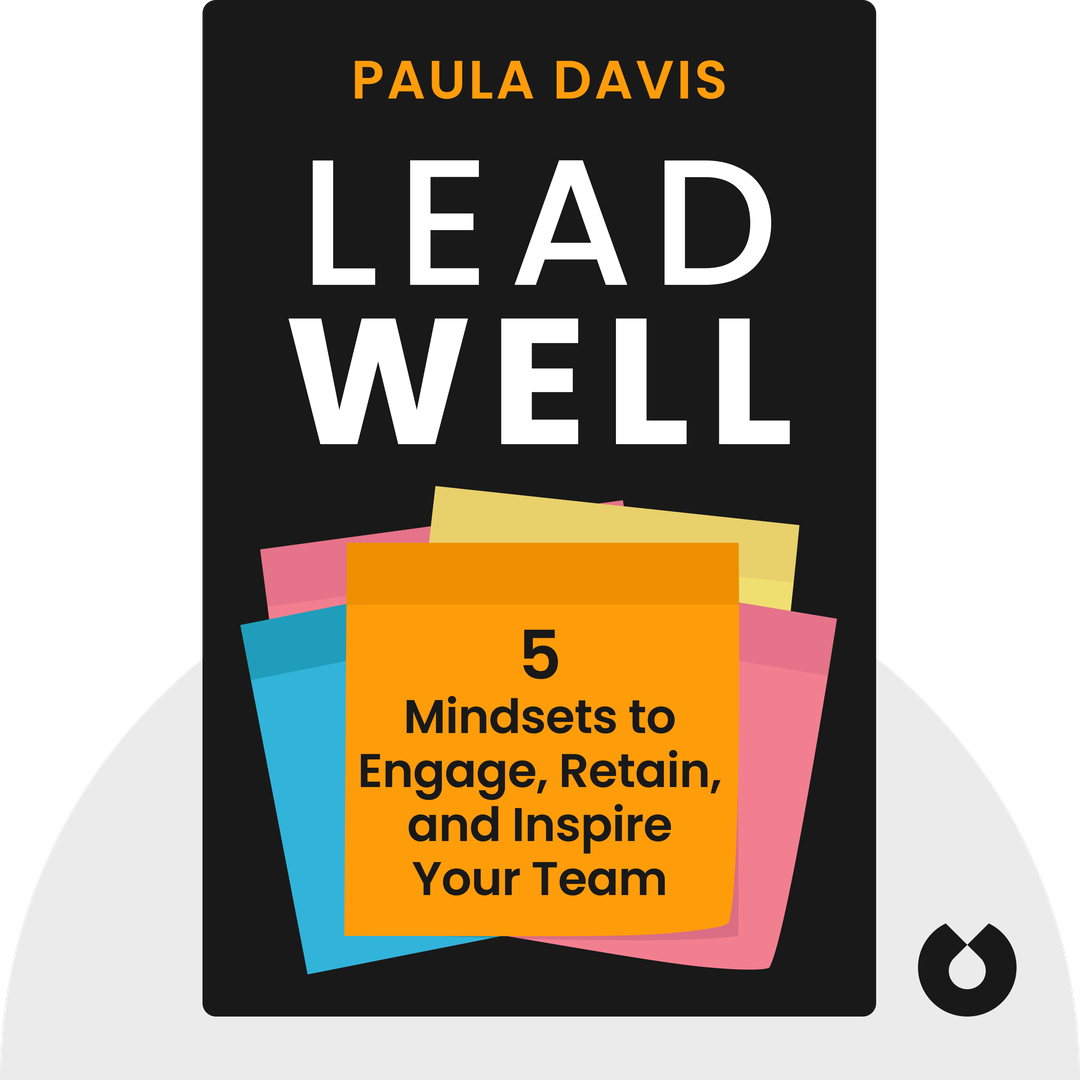
Lead Well (2025) addresses the crisis of employee disengagement and burnout in our post-pandemic, AI-disrupted workplace by offering a research-backed leadership framework that transforms traditional management approaches. It introduces five transformative mindsets to help leaders build team cohesion, foster values alignment, manage workloads sustainably, and cultivate systemic resilience in the face of relentless change.
Who Should Listen to Lead Well?
- C-Suite execs adapting to the post-pandemic work landscape
- Managers looking for practical tools to prevent team burnout
- Founders who need to balance rapid growth with a sustainable culture
Books Similar to Lead Well
Readers who enjoyed this also liked these titles.