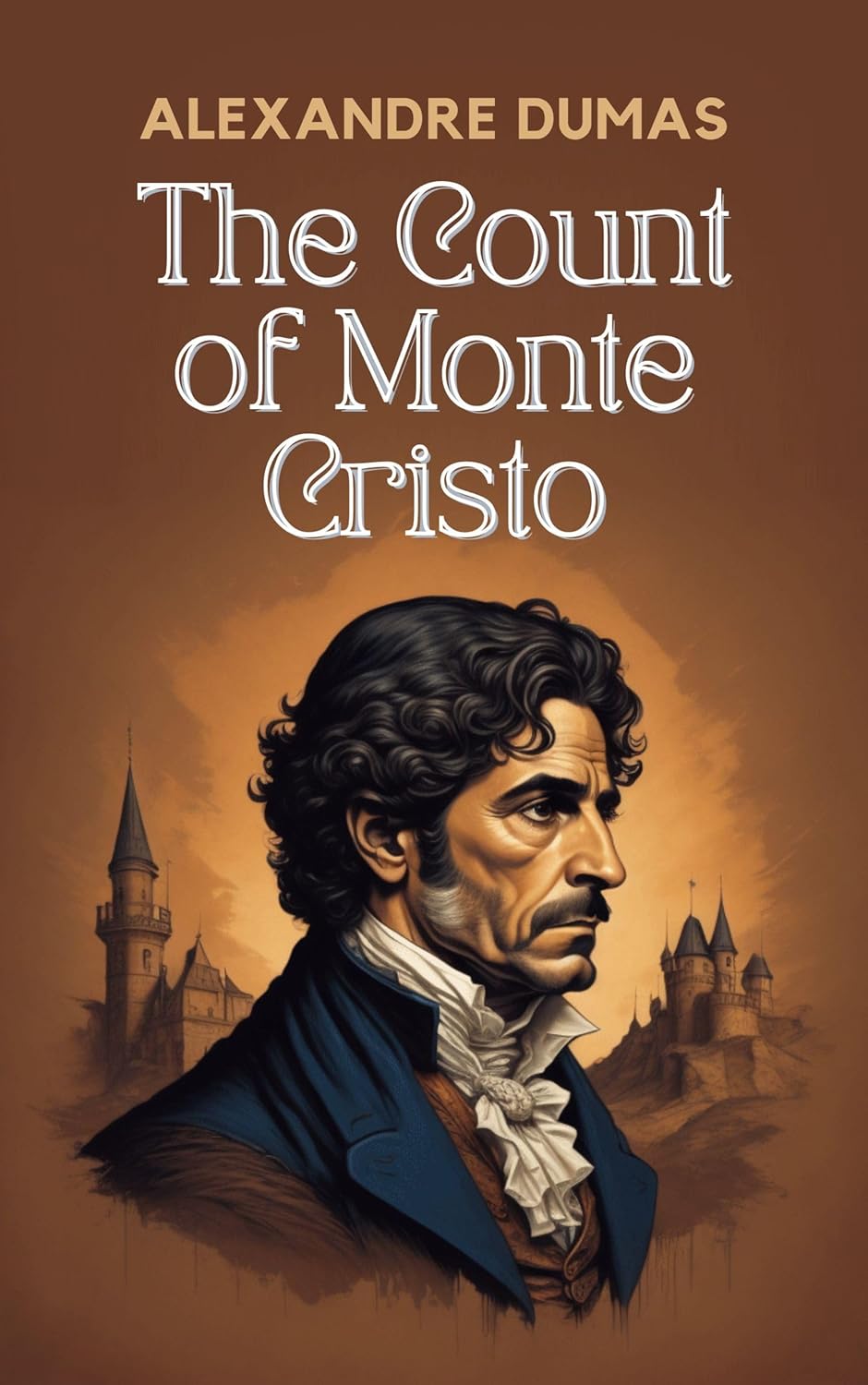
Listen to The Count of Monte Cristo (Full Version) — Free Audiobook
The Count of Monte Cristo (Full Version) — Full Chapter Overview
Chapter 1: Recommendation
Chapter 2: 1
Chapter 3: 2
Chapter 4: 3
Chapter 5: 4
Chapter 6: 5
Chapter 7: 6
Chapter 8: 7
Chapter 9: 8
Chapter 10: 9
Chapter 11: 10
Chapter 12: 11
Chapter 13: 12
Chapter 14: 13
Chapter 15: 14
Chapter 16: 15
Chapter 17: 16
Chapter 18: 17
Chapter 19: 18
Chapter 20: 19
Chapter 21: 20
Chapter 22: 21
Chapter 23: 22
Chapter 24: 23
Chapter 25: 24
Chapter 26: 25
Chapter 27: 26
Chapter 28: 27
Chapter 29: 28
Chapter 30: 29
Chapter 31: 30
Chapter 32: 31
Chapter 33: 32
Chapter 34: 33
Chapter 35: 34
Chapter 36: 35
Chapter 37: 36
Chapter 38: 37
Chapter 39: 38
Chapter 40: 39
Chapter 41: 40
Chapter 42: 41
Chapter 43: 42
Chapter 44: 43
Chapter 45: 44
Chapter 46: 45
Chapter 47: 46
Chapter 48: 47
Chapter 49: 48
Chapter 50: 49
Chapter 51: 50
Chapter 52: 51
Chapter 53: 52
Chapter 54: 53
Chapter 55: 54
Chapter 56: 55
Chapter 57: 56
Chapter 58: 57
Chapter 59: 58
Chapter 60: 59
Chapter 61: 60
Chapter 62: 61
Chapter 63: 62
Chapter 64: 63
Chapter 65: 64
Chapter 66: 65
Chapter 67: 66
Chapter 68: 67
Chapter 69: 68
Chapter 70: 69
Chapter 71: 70
Chapter 72: 71
Chapter 73: 72
Chapter 74: 73
Chapter 75: 74
Chapter 76: 75
Chapter 77: 76
Chapter 78: 77
Chapter 79: 78
Chapter 80: 79
Chapter 81: 80
Chapter 82: 81
Chapter 83: 82
Chapter 84: 83
Chapter 85: 84
Chapter 86: 85
Chapter 87: 86
Chapter 88: 87
Chapter 89: 88
Chapter 90: 89
Chapter 91: 90
Chapter 92: 91
Chapter 93: 92
Chapter 94: 93
Chapter 95: 94
Chapter 96: 95
Chapter 97: 96
Chapter 98: 97
Chapter 99: 98
Chapter 100: 99
Chapter 101: 100
Chapter 102: 101
Chapter 103: 102
Chapter 104: 103
Chapter 105: 104
Chapter 106: 105
Chapter 107: 106
Chapter 108: 107
Chapter 109: 108
Chapter 110: 109
Chapter 111: 110
Chapter 112: 111
Chapter 113: 112
Chapter 114: 113
Chapter 115: 114
Chapter 116: 115
Chapter 117: 116
Chapter 118: 117
The Count of Monte Cristo (Full Version) Summary & Overview
First published in 1844–1846, The Count of Monte Cristo is Alexandre Dumas’s grand saga of betrayal, imprisonment, and return. When the promising Edmond Dantès is denounced by jealous rivals and crushed by political intrigue, he is stripped of love, liberty, and name—only to find, in confinement, the knowledge and purpose that will remake him. Re-emerging into the world with immense wealth and a new identity, he sets out to reward loyalty and punish treachery with meticulous, theatrical precision.
At once an irresistible adventure and a searching moral drama, the novel explores justice versus revenge, the corruptibility of institutions, and the ways money, power, and secrecy reshape human character. Dumas blends romance, suspense, and social portraiture into a story whose momentum never flags, while continually asking what it costs to play providence. Its enduring appeal lies in its operatic stakes, vivid settings, and the unsettling question of whether retribution can ever truly heal a wounded life.
Who Should Listen to The Count of Monte Cristo (Full Version)?
- Listeners who want an epic, plot-driven classic filled with intrigue, disguises, secrets, and long-simmering payback.
- Fans of historical fiction interested in post-Napoleonic France, shifting loyalties, and the machinery of law and power.
- Readers drawn to morally complex character journeys—where triumph, obsession, mercy, and consequence collide.
Books Similar to The Count of Monte Cristo (Full Version)
Readers who enjoyed this also liked these titles.
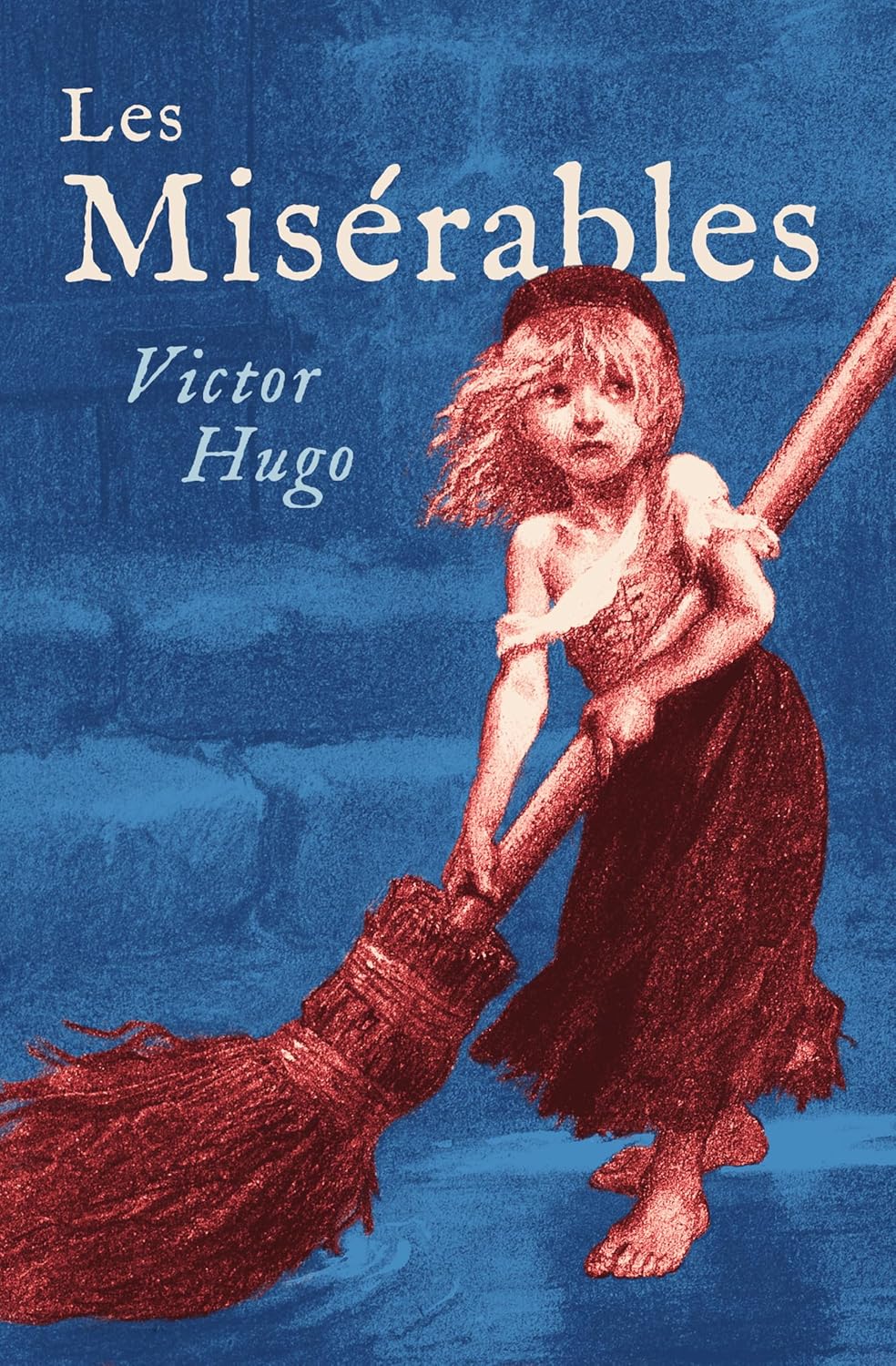
From a bishop’s startling act of mercy to the long shadow it casts across lives marked by poverty, love, law, and revolution, Hugo’s epic asks what it means to be just—and whether compassion can outlast cruelty.
When a quiet country gentleman reads so many romances of chivalry that his mind ignites, he rides out as a self-made knight—armed with antique ideals, a borrowed name, and stubborn hope—colliding hilariously and poignantly with the world as it truly is.

In provincial France, Emma Bovary’s hunger for romance and refinement turns everyday life into a pressure chamber—where longing, illusion, and debt tighten their grip until desire itself becomes a kind of fate with consequences no one can outrun.
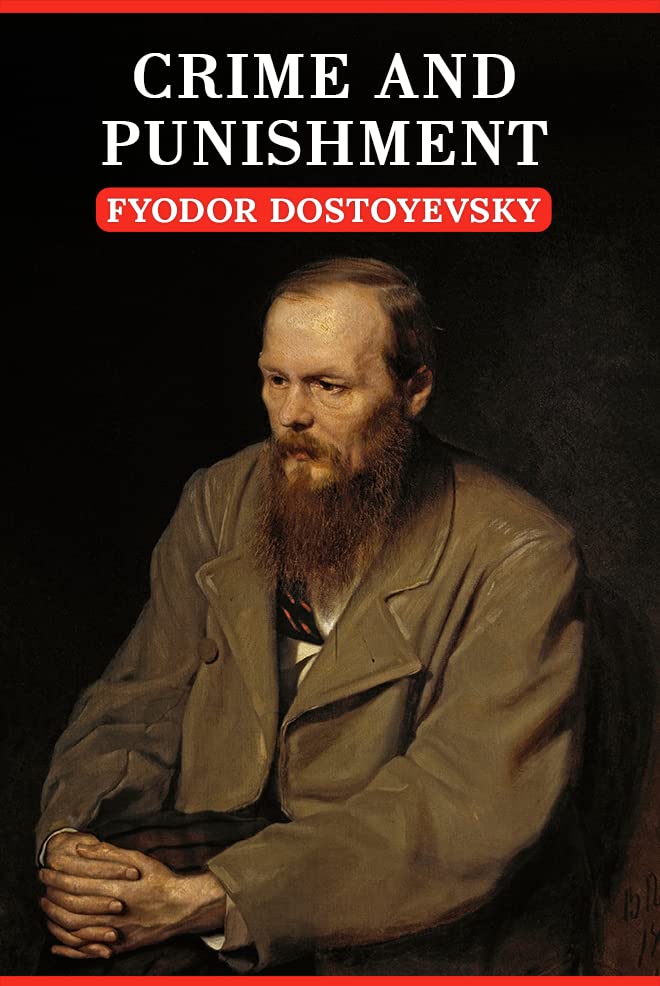
In the fevered heat of St. Petersburg, a broke former student tests the boundaries of conscience and daring, only to discover that the most relentless pursuit is not by police—but by the mind and soul that cannot escape itself.