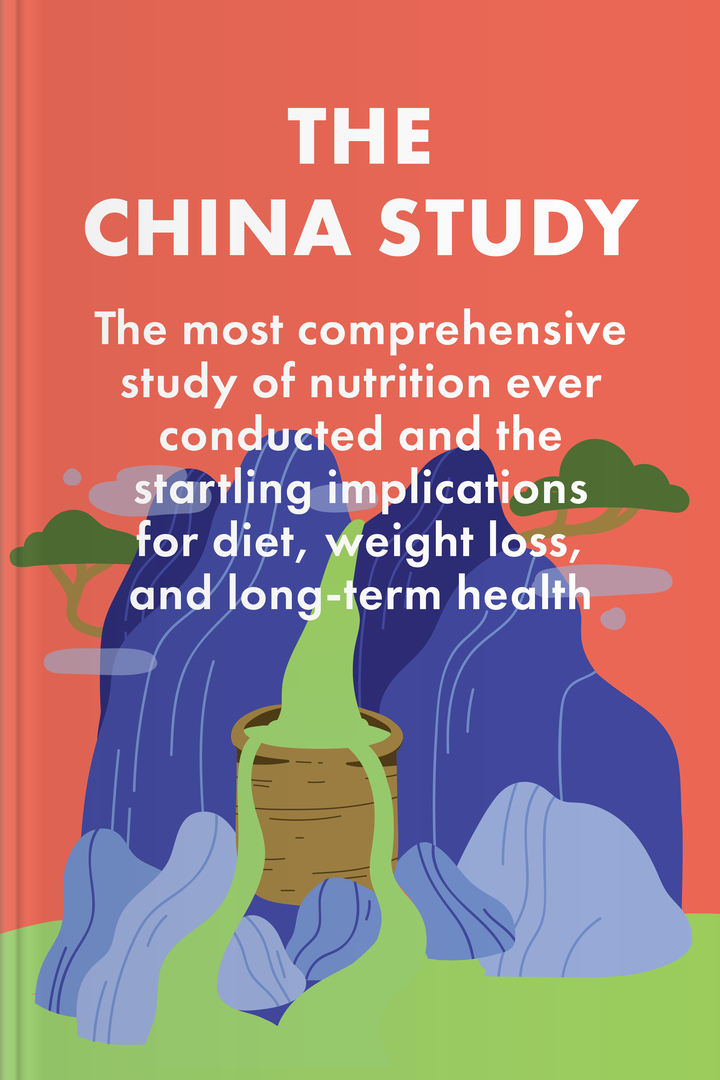
If You're Curious About These Questions...
You should listen to this audiobook
- Did you know that the very foods we’ve been taught to call "high-quality" proteins might actually be the ones driving chronic health issues?
- What if the secret to long-term health isn't about counting calories or tracking specific nutrients, but about changing the internal environment of your body through one simple dietary shift?
- Have you ever wondered why public nutrition advice is often so confusing—and how much of what we’re told is shaped by industry interests rather than pure science?
Listen to The China Study — Free Audiobook
Key Takeaways from The China Study
- Discover why the term "high-quality protein" is actually a misleading technical label about amino acids, rather than a guarantee of long-term health.
- Understand the three stages of cancer development and learn how specific dietary choices can act as "anti-promoters" to halt or even reverse abnormal cell growth.
- Explore how the monumental China Study revealed that diets heavily reliant on animal protein are strongly linked to "diseases of affluence" like cancer and diabetes.
- Find out why shifting away from culturally celebrated animal proteins—like meat, dairy, and eggs—is presented as a powerful protective step against chronic illness.
- Realize that transforming your nutritional health doesn't have to be rigid or overwhelming; you can make impactful, plant-based changes gradually, one meal at a time.
The China Study — Full Chapter Overview
Chapter 1: Recommendation
Chapter 2: When “High-Quality Protein” Isn’t the Same as Health
Chapter 3: A Nationwide Map of Disease, and What Diet Had to Do With It
Chapter 4: Eight Gentle Principles That Make “Eating Right” Feel Possible
Chapter 5: Simple, Satisfying Food Choices Without the Feeling of Deprivation
Chapter 6: Why the Public Often Doesn’t Hear the Full Truth About Food
Chapter 7: A Gentle Ending: What to Do With What You Now Know
The China Study Summary & Overview
This summary follows the book’s central message: food choices aren’t just about calories or single nutrients—they shape the internal conditions that can either support health or encourage chronic disease. It looks closely at protein, why animal-sourced protein is often labeled “high quality,” and why that label can be misleading when it comes to long-term well-being.
It also revisits findings associated with The China Study, connecting dietary patterns with different disease outcomes, and offers practical, calming guidance on what “eating right” can look like: simple, abundant, and centered on whole plant foods. Finally, it addresses how conflicts of interest can cloud public nutrition messaging—and closes with supportive suggestions for gradual change.
Who Should Listen to The China Study?
- Listeners who want a calm, easy-to-follow understanding of how animal-based and plant-based proteins are discussed in nutrition research.
- Anyone feeling overwhelmed by complicated diet plans who would prefer a simpler whole-food, plant-based approach.
- People interested in how public nutrition guidance can be influenced by industry and institutional conflicts of interest.
Books Similar to The China Study
Readers who enjoyed this also liked these titles.
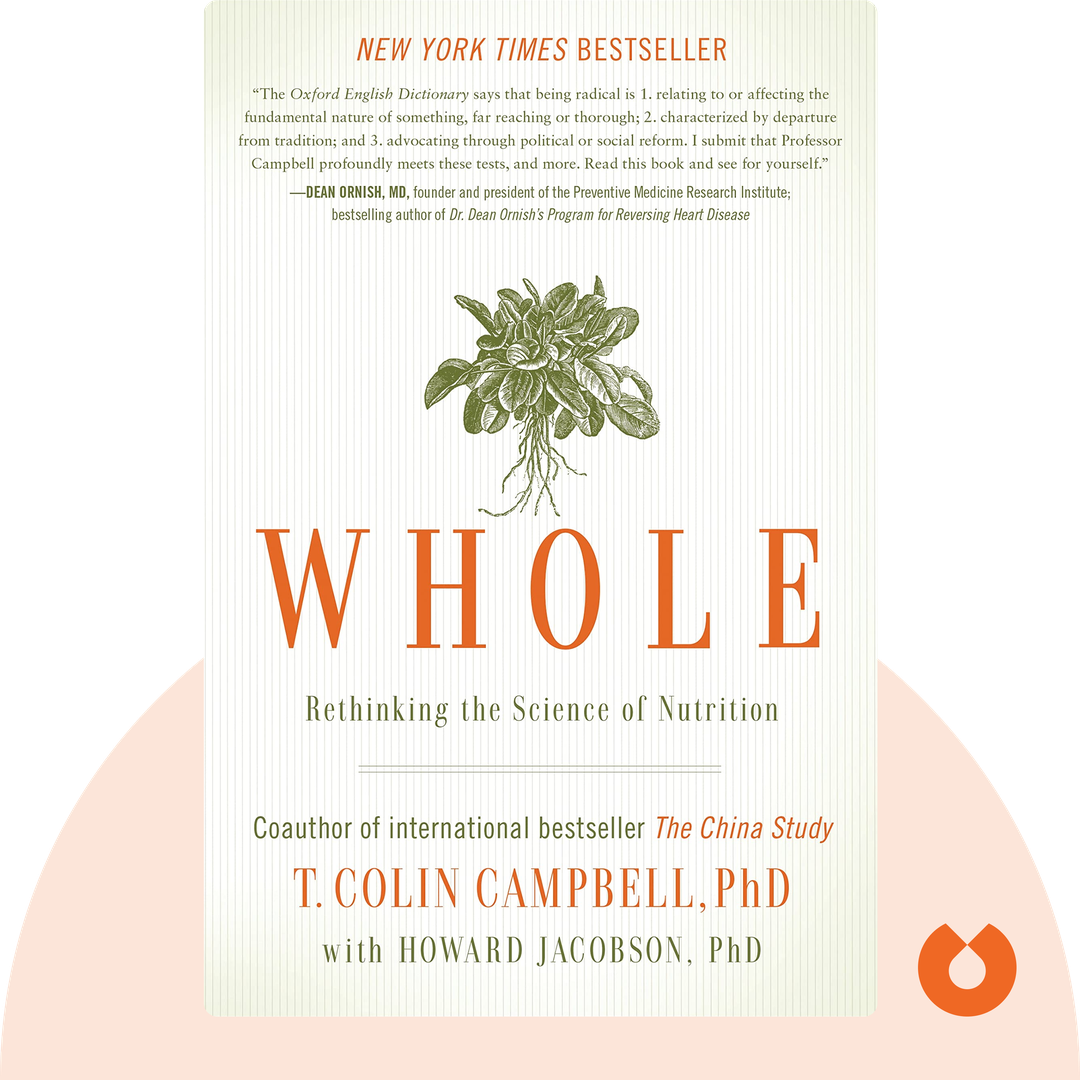
Rethinking the Science of Nutrition
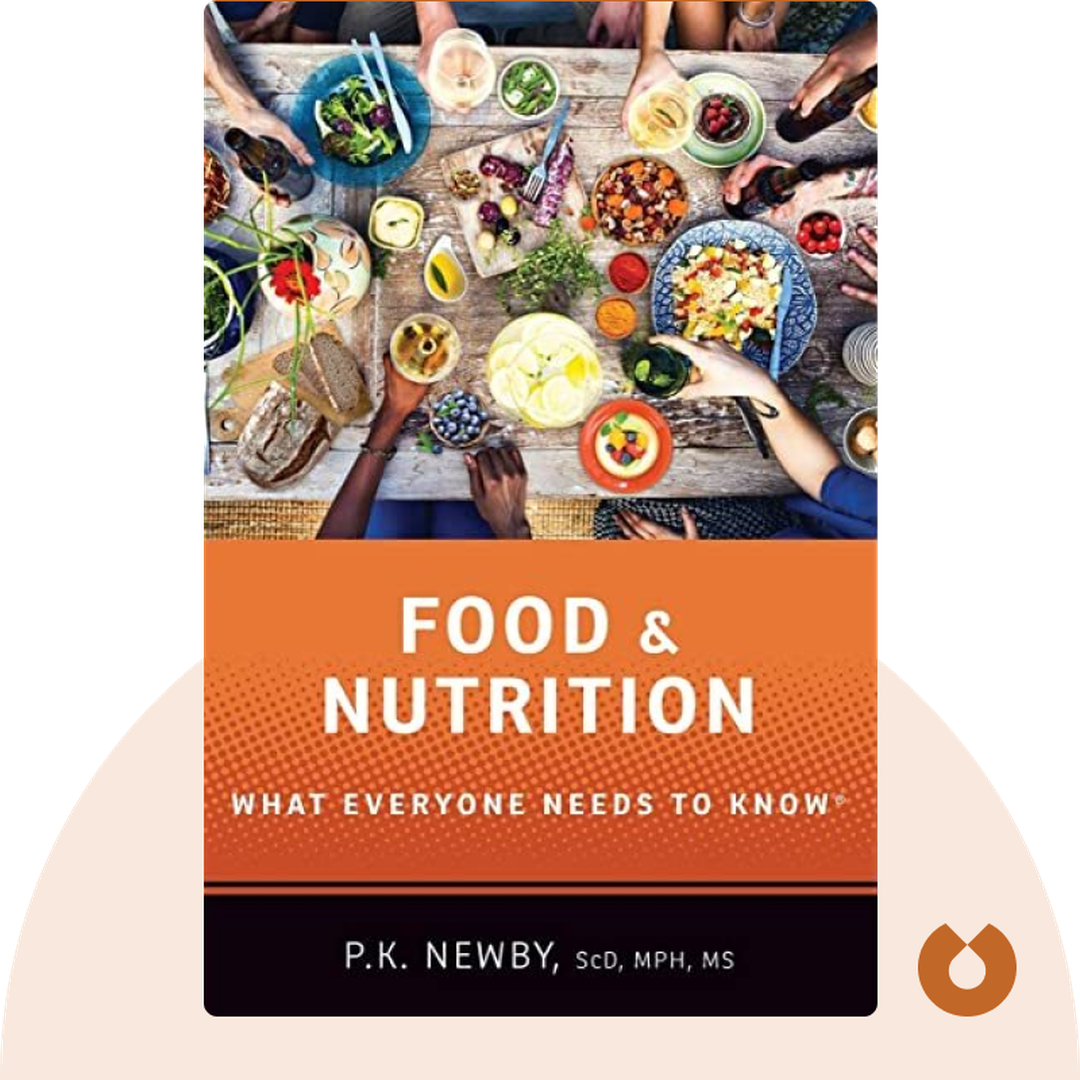
What Everyone Needs to Know
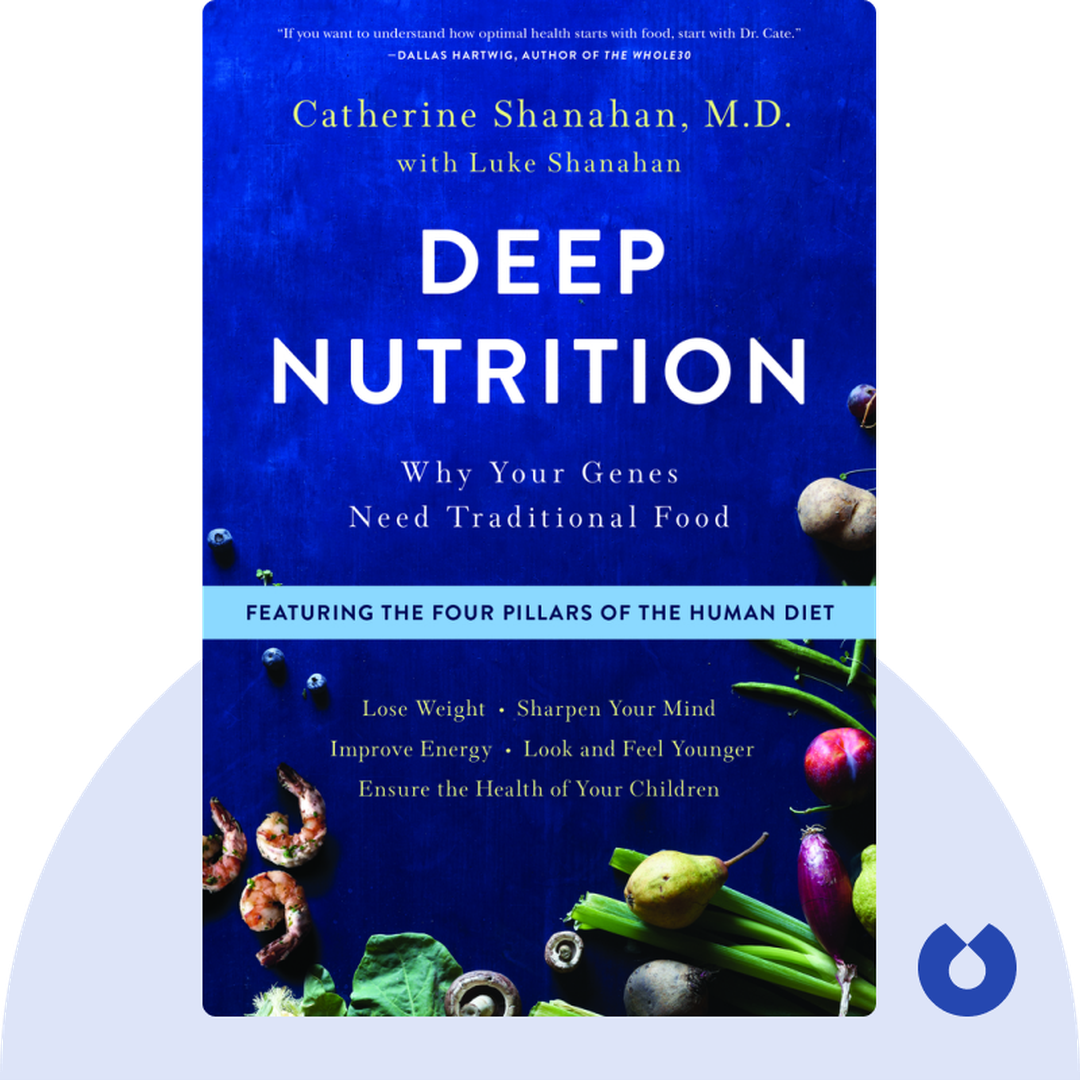
Why Your Genes Need Traditional Food
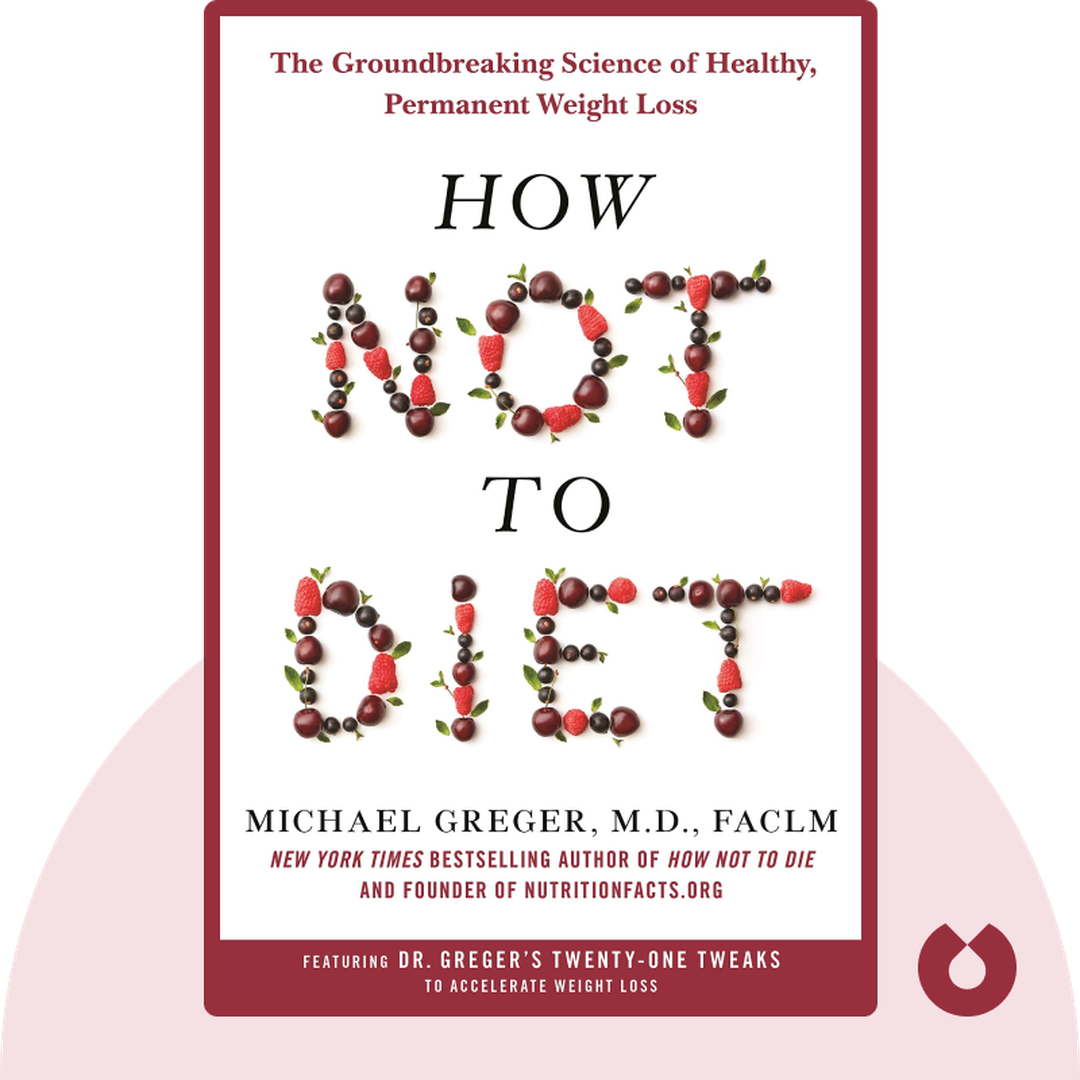
The Groundbreaking Science of Healthy, Permanent Weight Loss