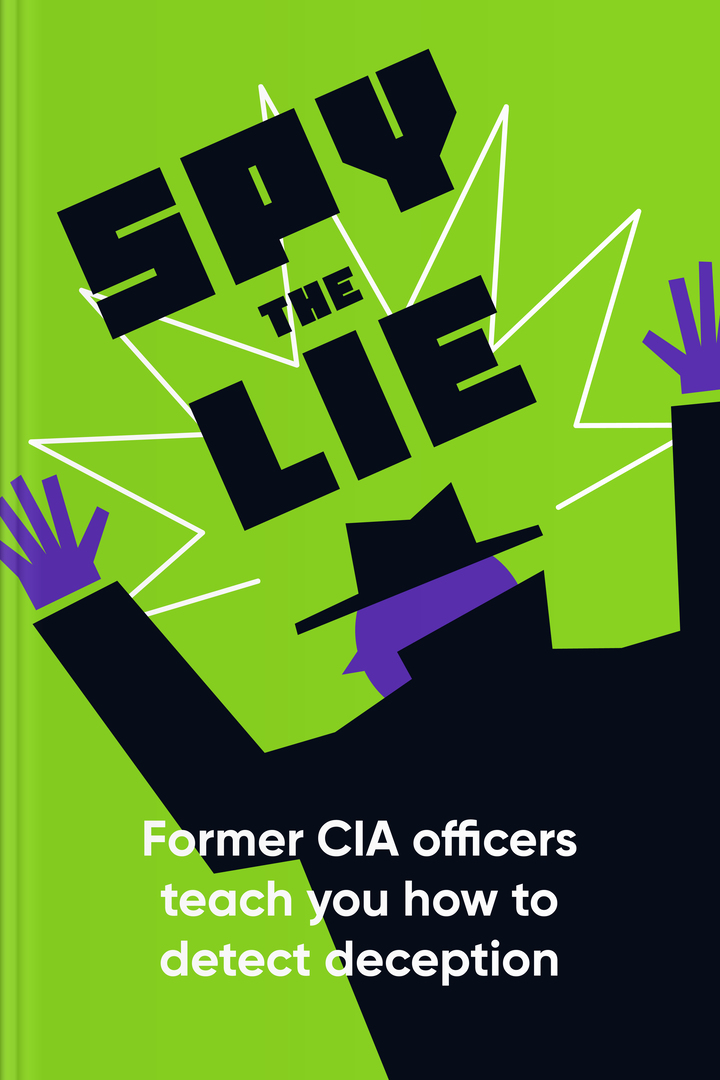
If You're Curious About These Questions...
You should listen to this audiobook
- What if you could uncover the truth in any conversation without ever becoming confrontational or damaging a relationship?
- Did you know that the most reliable signs of deception aren't dramatic gestures, but tiny, quiet shifts in how a person reacts to pressure?
- Have you ever wondered why focusing on a single 'tell' is actually the biggest mistake you can make when trying to gauge someone’s honesty?
Listen to Spy the Lie — Free Audiobook
Key Takeaways from Spy the Lie
- Understand that spotting deception isn't about suspicion, but about cultivating calm discernment to protect trust and real connection in your daily life.
- Discover how to identify 'spy-the-lie' moments, which are the brief windows where a person's body and mind unintentionally leak subtle signs of dishonesty.
- Learn to closely observe reactions within the crucial first five seconds of an interaction, because this is the unfiltered timeframe where deceptive behaviors most often surface.
- Master the 'L-squared' approach of looking and listening simultaneously to quickly spot mismatches between someone's spoken words and their physical delivery.
- Find out how to identify a person's normal behavioral baseline so you can spot deceptive shifts without unfairly labeling someone as a liar.
Spy the Lie — Full Chapter Overview
Chapter 1: Recommendation
Chapter 2: Learning to Notice the Quiet Cracks
Chapter 3: Seeing Deception Without Losing Trust
Chapter 4: The Many Shapes a Lie Can Take
Chapter 5: Listening to What the Body Is Saying
Chapter 6: Asking Questions That Invite the Truth Forward
Chapter 7: Looking for Patterns, Not Single Clues
Chapter 8: Choosing Clarity with Empathy
Spy the Lie Summary & Overview
This audiobook-style summary explores deception as a normal—though often uncomfortable—part of human life. It offers a calm, supportive way to notice what may be happening beneath the surface: the quiet shifts in posture, speech, and emotion that can appear when someone feels pressure or is withholding the full story.
Across seven chapters, the narration introduces a simple mindset for observing without accusing, listening while looking, asking questions that invite clarity, and resisting the temptation to judge based on a single sign. The goal isn’t to become suspicious of everyone—it’s to become more grounded, more discerning, and more honest with others and with oneself.
Who Should Listen to Spy the Lie?
- Listeners who want better communication skills and healthier boundaries without becoming cynical or confrontational.
- People who lead teams, manage conflict, interview others, or make decisions where clarity and trust matter.
- Anyone who wants to understand human behavior more deeply—especially the subtle ways stress, fear, or self-protection can shape what people say and do.
Books Similar to Spy the Lie
Readers who enjoyed this also liked these titles.
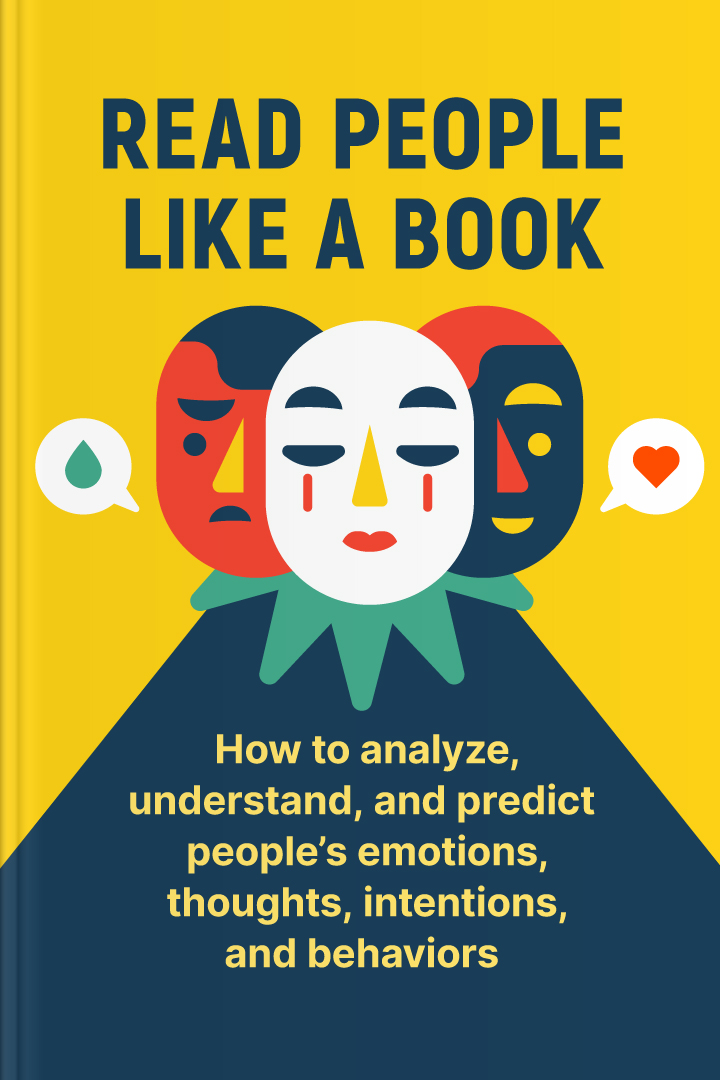
Reading people isn’t magic—it’s a learnable way of paying attention, noticing patterns, and staying curious about context, motives, and emotion, so communication becomes gentler, clearer, and more connected for everyone involved.
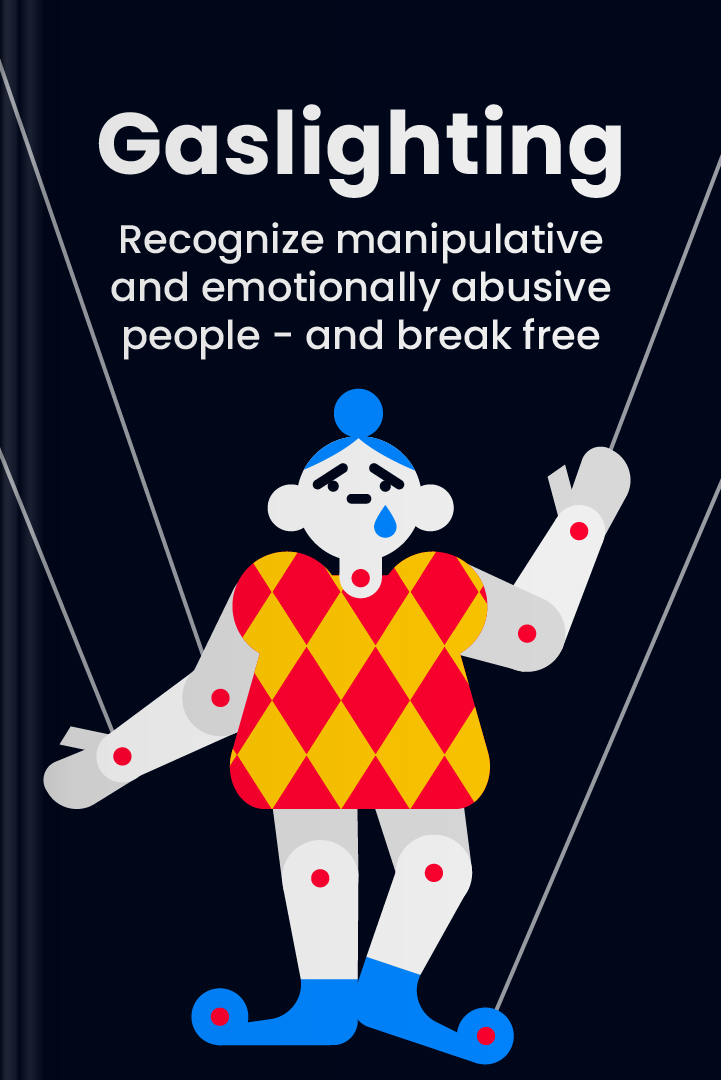
Gaslighting can leave a person doubting their own mind—this gentle guide helps listeners recognize the subtle tactics that distort reality, understand how the cycle shows up in love, work, politics, and groups, and practice calm, practical ways to protect their inner peace.
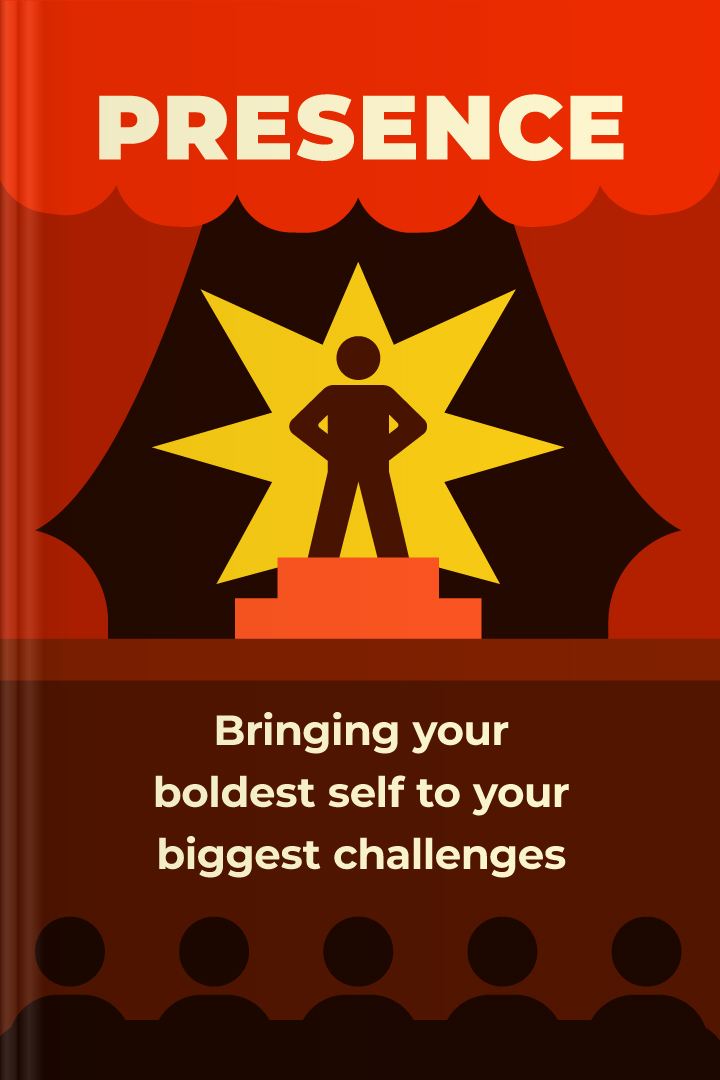
If anxiety has ever stolen your words at the worst possible moment, this gentle guide shows how presence can be rebuilt—through self-understanding, kinder inner storytelling, real listening, and simple body-based practices that help confidence feel natural again.
Think Like a Psychologist, Analyze Human Behavior, and Decode Emotions