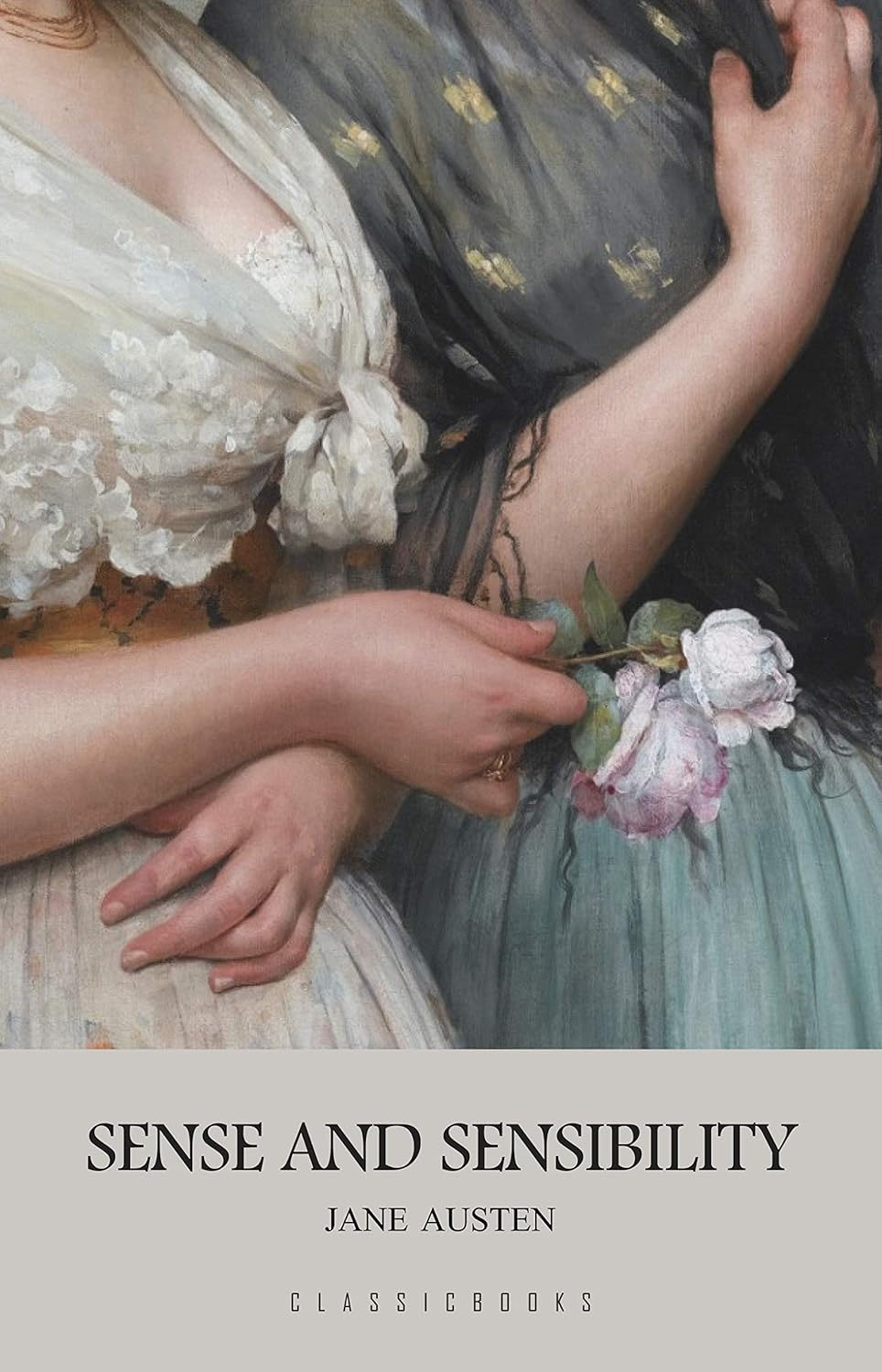
Listen to Sense and Sensibility (Full Version) — Free Audiobook
Sense and Sensibility (Full Version) — Full Chapter Overview
Chapter 1: Recommendation
Chapter 2: 1
Chapter 3: 2
Chapter 4: 3
Chapter 5: 4
Chapter 6: 5
Chapter 7: 6
Chapter 8: 7
Chapter 9: 8
Chapter 10: 9
Chapter 11: 10
Chapter 12: 11
Chapter 13: 12
Chapter 14: 13
Chapter 15: 14
Chapter 16: 15
Chapter 17: 16
Chapter 18: 17
Chapter 19: 18
Chapter 20: 19
Chapter 21: 20
Chapter 22: 21
Chapter 23: 22
Chapter 24: 23
Chapter 25: 24
Chapter 26: 25
Chapter 27: 26
Chapter 28: 27
Chapter 29: 28
Chapter 30: 29
Chapter 31: 30
Chapter 32: 31
Chapter 33: 32
Chapter 34: 33
Chapter 35: 34
Chapter 36: 35
Chapter 37: 36
Chapter 38: 37
Chapter 39: 38
Chapter 40: 39
Chapter 41: 40
Chapter 42: 41
Chapter 43: 42
Chapter 44: 43
Chapter 45: 44
Chapter 46: 45
Chapter 47: 46
Chapter 48: 47
Chapter 49: 48
Chapter 50: 49
Chapter 51: 50
Sense and Sensibility (Full Version) Summary & Overview
In Sense and Sensibility (1811), Jane Austen follows the Dashwood women after inheritance laws strip them of Norland Park and force them into a narrower, more watchful world. Elinor, governed by restraint and duty, and Marianne, ruled by feeling and romantic idealism, meet suitors, rivals, and well-meaning friends whose motives are tangled with money, status, and self-deception.
With sparkling dialogue and psychological precision, Austen exposes how “good sense” can mask quiet suffering, while “sensibility” can become a form of pride. The novel’s enduring power lies in its balance: a comedy of manners that is also a serious study of moral choice, feminine vulnerability, and the difficult art of judging character. Witty, humane, and sharply observant, it remains one of the foundational classics of the English novel.
Who Should Listen to Sense and Sensibility (Full Version)?
- Listeners who love classic romances that treat love as a test of character, not just a happy ending.
- Fans of Austen’s social satire—inheritance, etiquette, and the quiet power plays of polite society.
- Anyone drawn to sister stories and coming-of-age narratives about learning when to yield to feeling and when to hold fast to principle.
Books Similar to Sense and Sensibility (Full Version)
Readers who enjoyed this also liked these titles.
Two Sisters, Two Paths to Love
When spirited Elizabeth Bennet crosses paths with the proud, enigmatic Mr. Darcy, a web of misunderstandings, social pressures, and sharp-witted sparring begins—testing whether first impressions and class-bound “good sense” can survive the inconvenient pull of love.
A Timeless Tale Where Love Conquers Societal Norms

Cast out within her own household, a fierce, observant orphan grows into a woman determined to claim dignity and love on her own terms—no matter the cost of defying class, convention, and the secrets that shadow her heart.