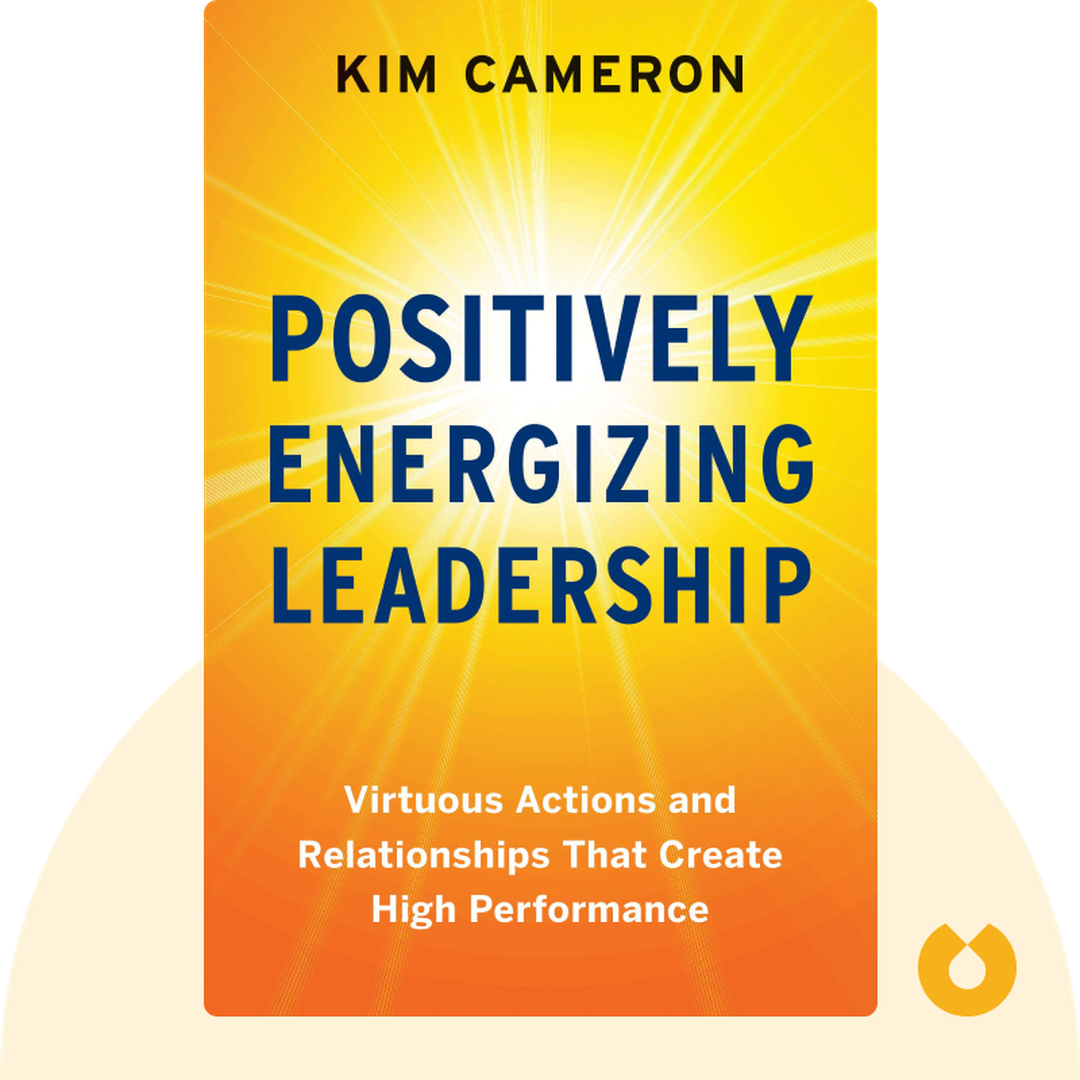
Positively Energizing Leadership
Start ListeningDownload Try free on iPhoneScan to start in 5 seconds
Categories:
If You're Curious About These Questions...
You should listen to this audiobook
- What's the secret to creating a workplace culture that fuels innovation, profits, and compassion?
- Are you curious about how to harness the power of positively energizing characteristics to transform your organization and personal life?
- Can you imagine if you could lead with a sense of purpose, positivity, and fulfillment, and still achieve outstanding results?
Listen to Positively Energizing Leadership — Free Audiobook
Loading player...
Key Takeaways from Positively Energizing Leadership
- Discover why forced positivity or 'happiology' fails, and learn how to genuinely harness heliotropic energy to help individuals and organizations flourish.
- Understand why our minds naturally fixate on the negative, and how consciously channeling positive energy is the true catalyst for behavioral change.
- Learn how practicing generosity and altruism produces profound physiological benefits, including lowered blood pressure and significantly reduced mortality risks.
- Find out how leaders can cultivate a thriving workplace by shifting employees' focus from personal achievement to contribution, such as offering opportunities to mentor.
- Recognize the critical role of trust and integrity in positively energizing leadership, and see how high-trust cultures sustain communities and organizations through crises.
Learning Tools
Reinforce what you learned from Positively Energizing Leadership
Mind Map
Positively Energizing Leadership
The Problem with Fake Positivity+
Heliotropic Energy+
Generosity & Altruism+
Building Trust+
Managing Energy Drainers+
Humility & Gratitude+
Empirical Business Results+
Quiz — Test Your Understanding
Question 1 of 6
What is Kim Cameron's primary critique of the 'happiology' industry?
Question 2 of 6
According to the study by Wang, Galinsky, and Murnighan, how do humans typically process positive and negative energy?
Question 3 of 6
What was the surprising finding of the study involving older patients with high blood pressure?
Question 4 of 6
In the context of building trust within an organization, what are the two chief components required?
Question 5 of 6
If a team member exudes toxic, negative energy and coaching or training fails to improve their behavior, what is the recommended next step before termination?
Question 6 of 6
How does the book suggest leaders practically apply the benefits of gratitude and positive recognition in a business setting?
Positively Energizing Leadership — Full Chapter Overview
- 1Recommendation
- 2Positive energy drives us to take positive action, but to access its full power requires deliberate effort and focus.
- 3Generosity and altruism form the foundations of heliotropic energy.
- 4Integrity plus sacrifice equals trust
- 5How to handle someone who radiates strong negative energy
- 6Remain humble, and be grateful.
Positively Energizing Leadership Summary & Overview
Positively Energizing Leadership (2022) offers organization leaders and workers a practical guide to understanding and harnessing the power of positively energizing characteristics and interpersonal approaches. With empirical data and how-to advice, it aims to boost innovation, profits, and compassion in the workplace and at home.
Who Should Listen to Positively Energizing Leadership?
- Anyone working as part of a team
- Managers who want to increase interpersonal richness in their organization
- Leaders looking for strategies to deal with a “black hole” of a worker
Books Similar to Positively Energizing Leadership
Readers who enjoyed this also liked these titles.