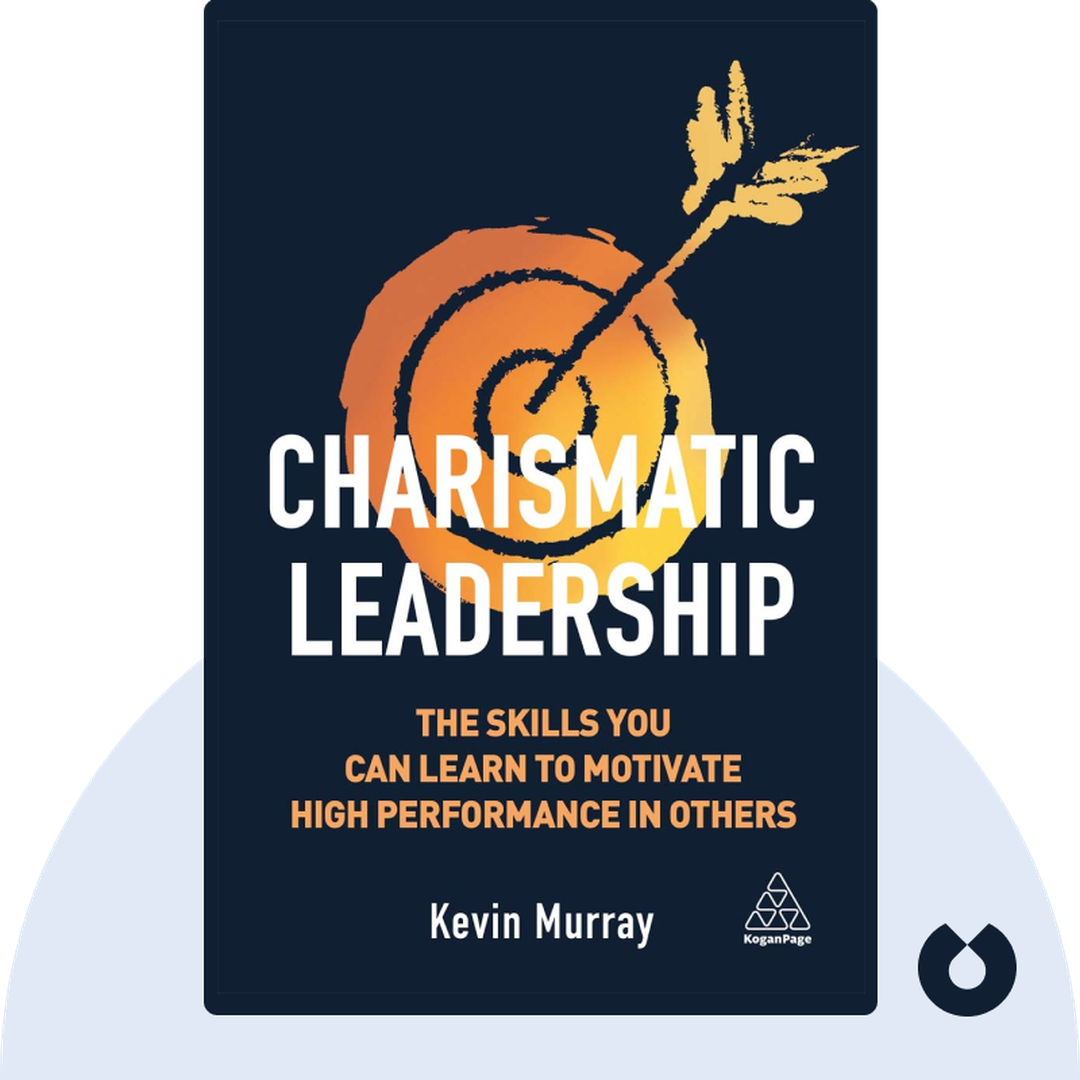
Charismatic Leadership
Start ListeningDownload Try free on iPhoneScan to start in 5 seconds
Categories:
If You're Curious About These Questions...
You should listen to this audiobook
- The author warns that exhibiting too much of the five traits of charisma can actually have a negative effect on your business. Why is this the case, and how can leaders find the perfect balance?
- What exactly is an 'emotional signature,' and how can identifying the emotional residue you leave behind after a conversation help prevent employee burnout?
- Instead of just waiting for your turn to speak, the book recommends sticking to a 'listening contract.' What are the specific steps of this contract, and how does it transform a frustrated employee into a loyal team member?
Listen to Charismatic Leadership — Free Audiobook
Loading player...
Key Takeaways from Charismatic Leadership
- Discover why true charismatic leadership isn't just about personal charm, but rather the learned ability to enable your employees to feel inspired by themselves.
- Understand the five distinct traits of charisma—authenticity, personal power, warmth, drive, and persuasiveness—and learn why balancing a little of each is better than over-indexing on just one.
- Learn how to build foundational trust through authenticity by staying humble, admitting your mistakes, and remaining visibly present even when implementing difficult decisions.
- Find out why defining and communicating a clear personal mission empowers your colleagues to act autonomously and make confident judgment calls when you are not around.
- Master the mental aspects of personal power by adopting a proactive problem-solving mindset, reframing uncomfortable situations as opportunities, and conducting team energy audits.
Learning Tools
Reinforce what you learned from Charismatic Leadership
Mind Map
Charismatic Leadership
Core Premise+
Authenticity+
Personal Power+
Warmth+
Drive+
Persuasion+
Actionable Advice+
Quiz — Test Your Understanding
Question 1 of 9
According to the text, what is the core essence of being a charismatic leader?
Question 2 of 9
Which of the following is true regarding the five traits of charismatic leadership (authenticity, personal power, warmth, drive, and persuasiveness)?
Question 3 of 9
How does a charismatic leader demonstrate authenticity when a disaster or mistake occurs?
Question 4 of 9
In the context of the 'personal power' trait, what does it mean to 'reframe a situation'?
Question 5 of 9
What is a 'listening contract' as described in the chapter on projecting warmth?
Question 6 of 9
Why does the author suggest that leaders should rely on a clearly defined purpose rather than just financial metrics to motivate their team?
Question 7 of 9
According to the text, what is one of the most effective ways to have an emotional impact and be persuasive when speaking publicly?
Question 8 of 9
When anticipating a difficult everyday conversation with an employee, what strategy does the author recommend?
Question 9 of 9
What is the primary benefit of giving employees 'stretching goals'?
Charismatic Leadership — Full Chapter Overview
- 1Recommendation
- 2Being Authentic
- 3Personal Influence
- 4Warmth
- 5Motivation and Drive
- 6Persuasive Communication
- 7Final summary
Charismatic Leadership Summary & Overview
Charismatic Leadership (2020) is a practical guide to becoming a more effective leader through the power of charisma. We’ve all had a favorite boss or mentor – someone who inspires and motivates with their words, energy, and conviction. Charismatic Leadership teaches you how to be that person.
Who Should Listen to Charismatic Leadership?
- Leaders and managers who want to boost their charisma
- Ambitious employees looking to improve their workplace communication skills
- Business students preparing to join the workforce
Books Similar to Charismatic Leadership
Readers who enjoyed this also liked these titles.