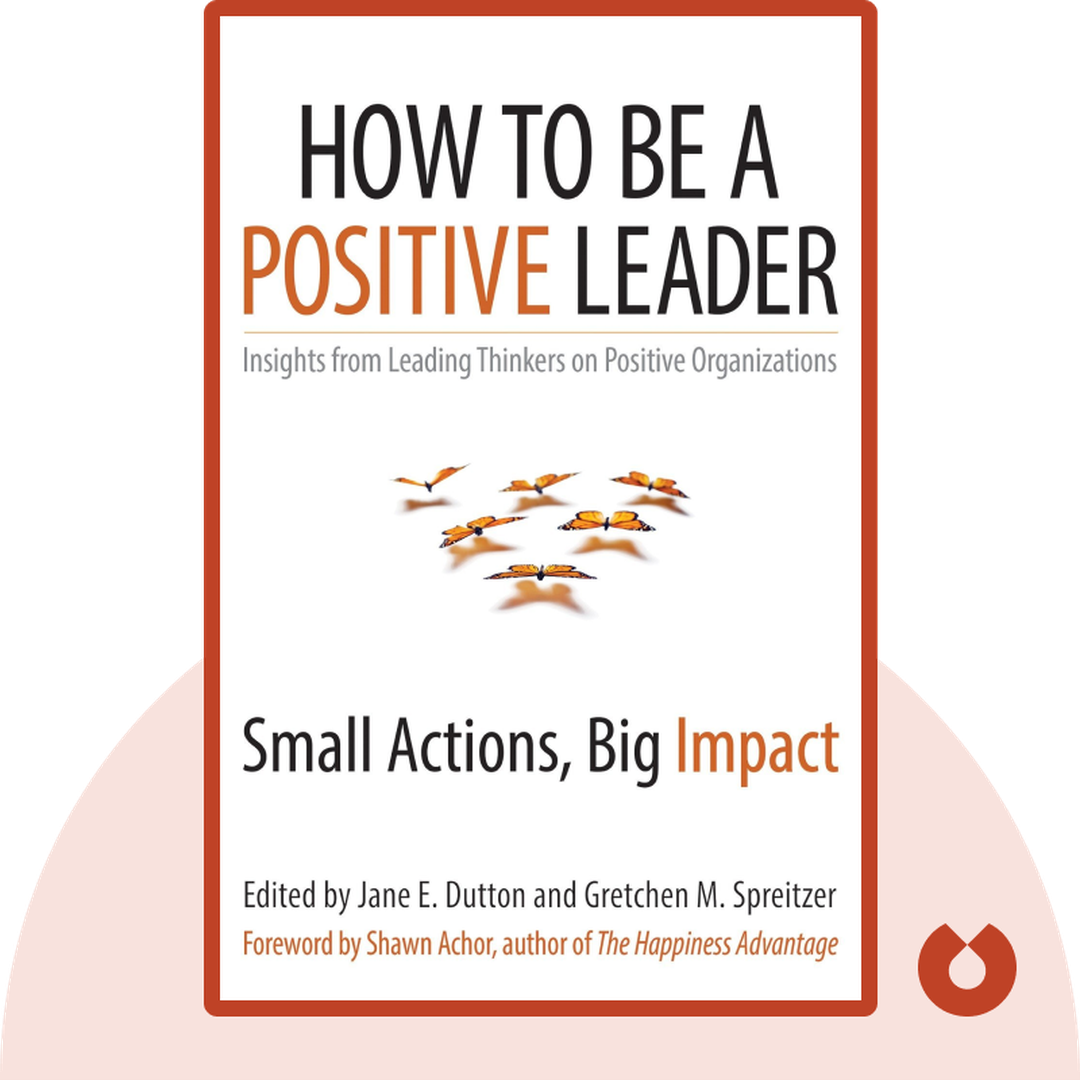
How to Be a Positive Leader
Start ListeningDownload Try free on iPhoneScan to start in 5 seconds
Categories:
If You're Curious About These Questions...
You should listen to this audiobook
- What if you could unlock a hidden level of productivity in your team simply by shifting your focus toward positive organizational behavior?
- What’s the secret to building a company culture where employees don’t just survive the workday, but actually thrive and excel?
- Did you know that specific, research-backed leadership tweaks can transform a high-stress environment into a powerhouse of innovation and success?
Listen to How to Be a Positive Leader — Free Audiobook
Loading player...
Key Takeaways from How to Be a Positive Leader
- Discover how to foster high-quality connections among your team by offering your undivided attention and encouraging playful interactions that boost overall creativity.
- Understand why connecting your employees directly with the end-users of your products drastically increases their intrinsic motivation and overall performance.
- Master the art of mindful negotiation by keeping your emotions neutral and staying fully present, helping you succeed even when dealing with difficult people.
- Learn how to cultivate a thriving workplace culture and prevent employee burnout by implementing a strict, zero-tolerance policy for disrespectful behavior.
- Find out how to boost your own professional confidence and vitality by actively seeking out new knowledge and asking for regular feedback.
Learning Tools
Reinforce what you learned from How to Be a Positive Leader
Mind Map
How to Be a Positive Leader
Fostering Positive Connections+
Meaning, Identity & Autonomy+
Virtues & Ethical Leadership+
Mindset, Hope & Change+
Quiz — Test Your Understanding
Question 1 of 10
According to the book, what defines a 'high-quality connection' in the workplace?
Question 2 of 10
How did the University of Michigan call center study demonstrate the importance of meaningful work?
Question 3 of 10
What is the key to negotiating mindfully, especially with someone you dislike?
Question 4 of 10
How does restaurateur Danny Meyer ensure a positive work environment and help his employees thrive?
Question 5 of 10
In the GIVE model of positive identity, what does 'Integration' refer to?
Question 6 of 10
What is the purpose of the 'reflected best-self exercise'?
Question 7 of 10
Which of the following is an example of 'job crafting' as described in the text?
Question 8 of 10
How did Apple encourage the virtue of 'transcendence' among its employees in the 1980s?
Question 9 of 10
What 'test' does the book suggest leaders use to clarify their values and make ethical decisions?
Question 10 of 10
Why do leaders often fail when implementing change within an organization?
How to Be a Positive Leader — Full Chapter Overview
- 1Recommendation
- 2Leaders should foster energizing interactions among staff to build a more creative organization.
- 3Employees are most motivated when they understand the meaning of their work.
- 4Negotiate mindfully: don’t let emotions cloud your judgment.
- 5Help yourself and your employees thrive, and you’ll gain confidence and renewed energy.
- 6Leaders should nurture positive identities in their employees.
- 7Employees are happier and perform better when they can shape their jobs around their personalities.
- 8Companies should encourage virtue among staff, as it boosts morale and productivity.
- 9Employees value ethical leaders, which leads to stronger performance.
- 10People are most likely to excel when they have hope, so leaders should foster it.
- 11When leading change, leaders should view employees as resources, not resisters.
- 12Final summary
How to Be a Positive Leader Summary & Overview
How to Be a Positive Leader examines cutting-edge research from the field of positive organizational behavior, in which companies aim to foster both a positive attitude to work and high performance among employees. The research is complemented with vivid examples from real organizations.
Who Should Listen to How to Be a Positive Leader?
- Anyone interested in the concept of happiness at work
- Leaders who want to build thriving, successful organizations
- Employees who want to be happier and more productive
Books Similar to How to Be a Positive Leader
Readers who enjoyed this also liked these titles.