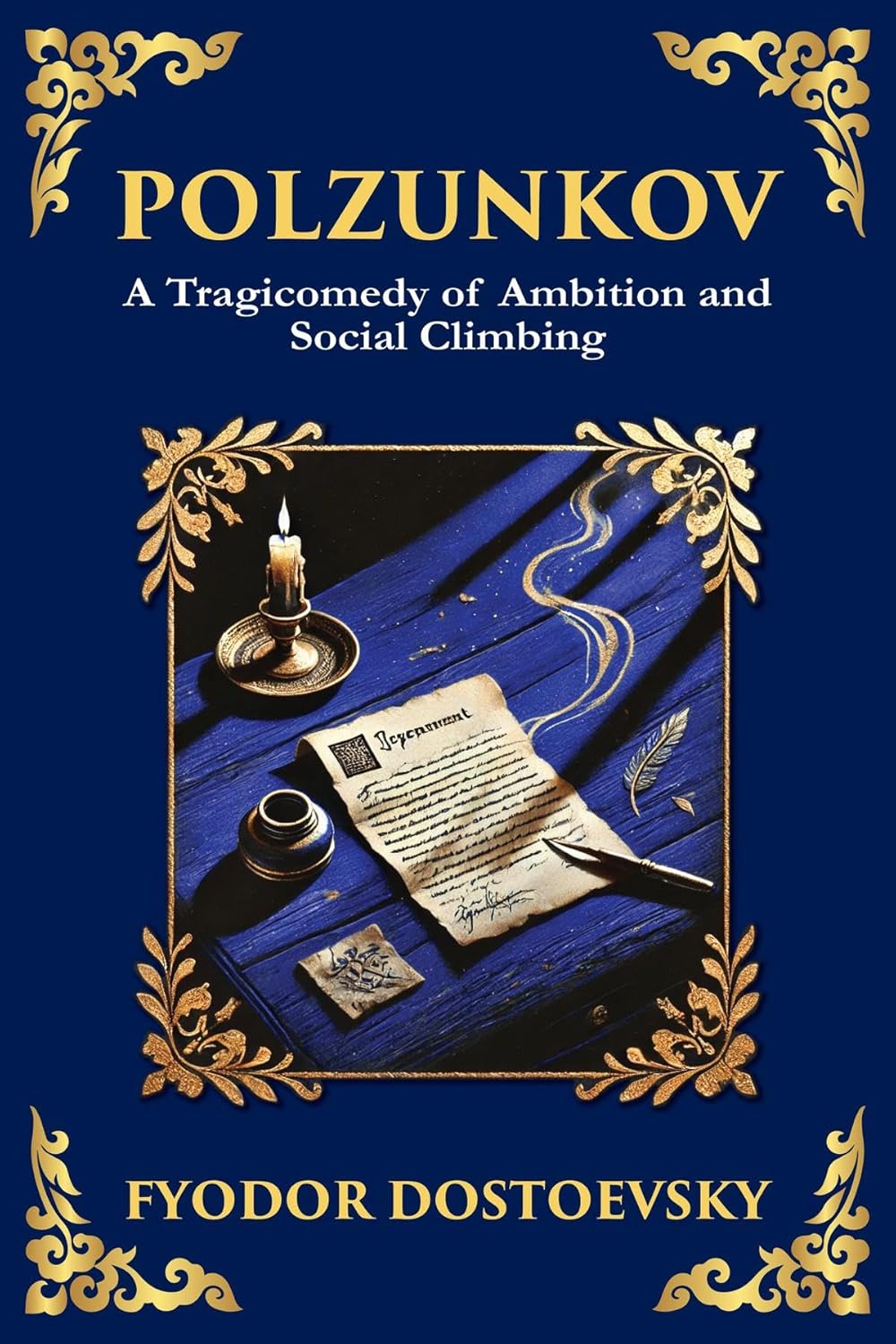
Listen to Polzunkov (Full Version) — Free Audiobook
Polzunkov (Full Version) — Full Chapter Overview
Chapter 1: Recommendation
Chapter 2: 1
Chapter 3: 2
Polzunkov (Full Version) Summary & Overview
In Polzunkov, Fyodor Dostoyevsky crafts a razor-edged early tale of social cruelty disguised as entertainment. Osip Mikhailovich Polzunkov—an anxious, eager-to-please minor official—survives by turning himself into a spectacle for those with money, rank, and leisure. Yet beneath his clowning lies a fierce sensitivity and a stubborn sense of dignity that makes every laugh at his expense feel like a bruise.
Told through Polzunkov’s own breathless, performative storytelling, the narrative moves from farce into moral discomfort: a bribe, a “fatherly” patron, a thwarted engagement, and the intimate humiliations of dependency. Dostoyevsky exposes how institutions and households alike can demand abasement as the price of belonging—and how the longing to be accepted can deform character as surely as open oppression. Darkly funny and quietly devastating, the story anticipates the author’s lifelong fascination with shame, conscience, and the desperate hunger for human regard.
Who Should Listen to Polzunkov (Full Version)?
- Listeners who enjoy classic Russian fiction that blends sharp humor with psychological pain and moral tension.
- Fans of Dostoyevsky curious to hear an early work that foreshadows his later themes of humiliation, conscience, and social power.
- Readers drawn to character-driven stories about status, dependency, and the tragic cost of wanting to be liked.
Books Similar to Polzunkov (Full Version)
Readers who enjoyed this also liked these titles.
Behind a shabby screen in a St. Petersburg lodging-house, a timid clerk guards a battered trunk with near-religious devotion—until gossip, cruelty, and sudden illness expose the terrifying secret that poverty can hide in plain sight.
On a snowy New Year’s Eve in St. Petersburg, a humble clerk’s sudden engagement ignites rapture—and dread—as love, poverty, and obligation collide, and a gentle friendship is tested by the pressure of work, gratitude, and an anxious, vulnerable heart.
In the fevered heat of St. Petersburg, a broke former student tests the boundaries of conscience and daring, only to discover that the most relentless pursuit is not by police—but by the mind and soul that cannot escape itself.
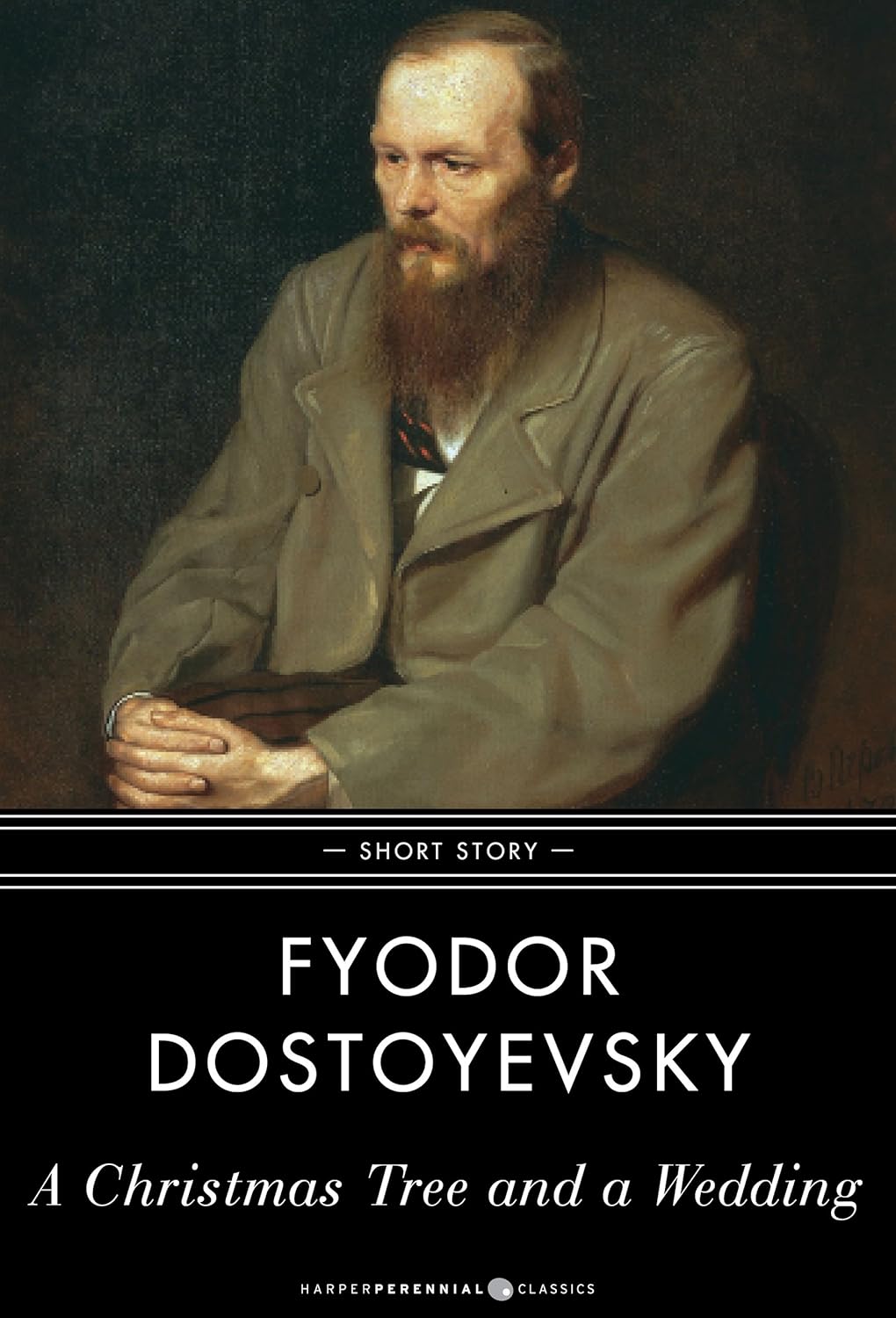
At a glittering holiday party, a calculating social climber sizes up a wealthy child like an investment—years later, at a fashionable wedding, the narrator recognizes the terrible arithmetic behind polite smiles, respectable talk, and a girl’s stolen youth.