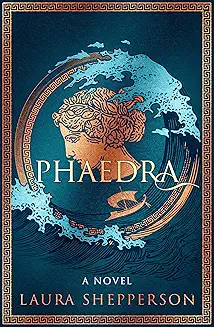
If You're Curious About These Questions...
You should listen to this audiobook
- Have you ever wondered why the 'official' versions of history’s greatest legends always seem to favor the winners while burying the voices of the women involved?
- What happens when a queen refuses to follow the traditional script of silence and instead uses the city’s own legal system to put the king’s beloved son on trial?
- Are you curious about how a myth is truly made—and what price must be paid when the truth is traded for a 'cleaner' ending that the public prefers to hear?
Listen to Phaedra: A Novel — Free Audiobook
Key Takeaways from Phaedra: A Novel
- — The Song Before the Story
- — The Princess Who Trusted Words
- — The Girl in the Labyrinth’s Shadow
- — Blood at Dawn, Thread at Dusk
- — The Sister Taken, the Bride Exchanged
Phaedra: A Novel — Full Chapter Overview
Chapter 1: Recommendation
Chapter 2: The Song Before the Story
Chapter 3: The Princess Who Trusted Words
Chapter 4: The Girl in the Labyrinth’s Shadow
Chapter 5: Blood at Dawn, Thread at Dusk
Chapter 6: The Sister Taken, the Bride Exchanged
Chapter 7: A Queen Without a Household
Chapter 8: Medea’s Code and the Man Who Wanted a Test Case
Chapter 9: The Devout Son and the House Without Laws
Chapter 10: The Tree, the Mud, the Goddess Misused
Chapter 11: The Plan, the Boat, and the Chorus
Chapter 12: The First Trial of Athens
Chapter 13: The Verdict’s Price
Chapter 14: The Axe and the Beach
Chapter 15: The Last Line She Writes Herself
Chapter 16: The Untidy Truth
Phaedra: A Novel Summary & Overview
Phaedra grew up in the painted light of Knossos, the daughter of King Minos and Queen Pasiphaë. Her world was beauty, ritual, and the cold certainty that stories—especially about women—could wound as easily as any blade. When Theseus sails into Crete, kills the labyrinth’s secret, and abducts Phaedra to Athens to be his bride, she finds a palace without plumbing, a court without grace, and a city full of men who laugh. Her stepson, Hippolytus, worships Artemis and despises women. Her husband is always gone, reshaping politics and history. Her cousin Medea hides in the walls and watches. And at night, a hidden chorus of maids whispers the names of men who harm them.
What begins as a marriage of state turns into a story about voice. After a brutal assault in the woods, Phaedra refuses the usual script of shame and silence. Guided—then manipulated—by the smooth courtier Trypho, she forces the new Athenian “people’s court” to hear her case against the king’s beloved son. The verdict shocks Athens. The punishment, however, exposes who truly holds power.
This is not a tale of gods swooping in to right wrongs. It’s the story of how myths are made: bards who sell a better rhyme, rulers who prefer a cleaner ending, and women who pay the price. From Knossos to Athens; from the labyrinth’s dark to a beach glittering with surf; from a crowded trial to a final, terrible act—Phaedra claims the stage, makes the city listen, and leaves behind a truth the winners will try to bury. It’s bold, intimate, and painfully modern. If you’ve ever wondered why the official version feels wrong, this retelling gives you the missing voice.
Who Should Listen to Phaedra: A Novel?
- Fans of feminist myth retellings like Circe, Stone Blind, or The Silence of the Girls
- Listeners who love courtroom dramas, political intrigue, and morally complex characters
- Book clubs interested in power, consent, and how official stories get written
Books Similar to Phaedra: A Novel
Readers who enjoyed this also liked these titles.
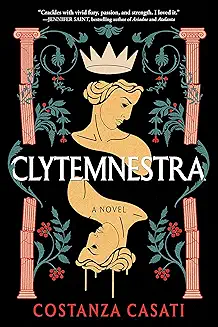
She was raised among spears and songs, taught to run, fight, and rule. Before the world called her a monster, Clytemnestra was a sister, a wife, a mother—and a queen. This is the story behind the legend, told with fire, steel, and a human pulse.
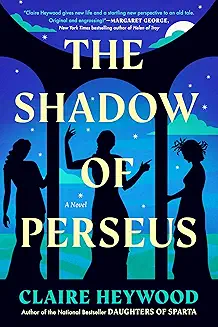
One prophecy breaks a family, but the real monster isn’t fate—it’s the story men tell afterward, as Danae, Medusa, and Andromeda fight to survive Perseus’s “heroism” and reclaim the truth history tried to bury.
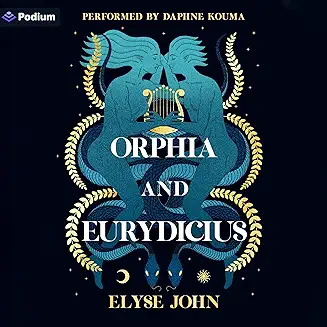
A warrior-born poet, a gentle shield-maker, and a love bold enough to stand before gods. Orphia and Eurydicius reimagines a myth you think you know and lets a woman’s voice remake the world.
A mortal girl trained to be a hero. An ancient god sworn off love. Their secret marriage upends Olympian politics and sends her to the edge of death—and beyond—to decide what kind of love can survive gods, monsters, and time.