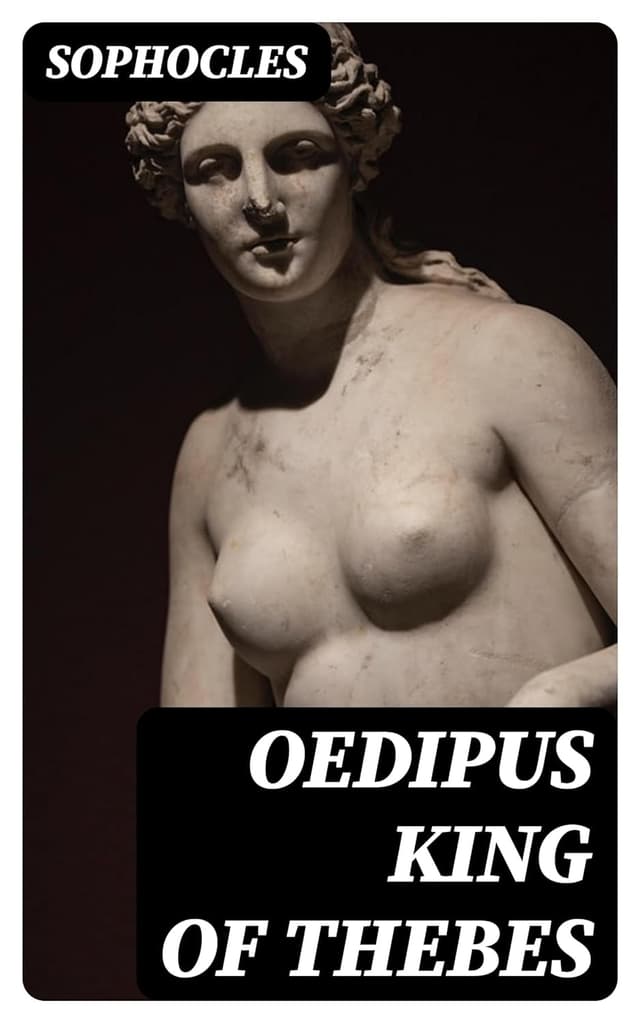
Written by Sophocles around 429 BCE in Athens, *Oedipus the King* (often known as *Oedipus Rex* or *Oedipus Tyrannus*) emerged during a period of immense cultural triumph and profound anxiety for the Greek city-state. Athens was embroiled in the early years of the Peloponnesian War against Sparta, and the city was being ravaged by a devastating plague that claimed up to a third of its population, including the prominent statesman Pericles. Sophocles directly mirrors this historical trauma in the play’s opening scenes, where a mysterious blight afflicts the city of Thebes, making the narrative deeply and viscerally resonant with his contemporary Athenian audience.
In its time, the play was both culturally significant and philosophically unsettling. While the mythological framework of a man destined to kill his father and marry his mother was already familiar to Greeks, Sophocles’s treatment of the material was groundbreaking. He shifted the dramatic focus from the taboo acts themselves to Oedipus’s relentless, intellectual pursuit of the truth. This was highly provocative in fifth-century Athens, an era marked by the rise of Sophism, which championed human reason and self-determination over divine intervention. The play served as a controversial warning about the limits of human intellect and the inescapable power of fate, challenging the era's growing secularism. Surprisingly, despite its brilliance, it only won second prize at the City Dionysia dramatic festival.
The tragedy’s lasting impact on literature and society is virtually unparalleled. Aristotle cited it in his *Poetics* as the quintessential masterpiece of tragic drama, praising its perfect alignment of plot reversal and character recognition. Centuries later, Sigmund Freud cemented the play’s psychological legacy by coining the "Oedipus Complex," using the myth to articulate foundational theories of psychoanalysis. Today, it remains a cornerstone of Western literature, enduring as a profound exploration of human frailty and the eternal tension between free will and destiny.