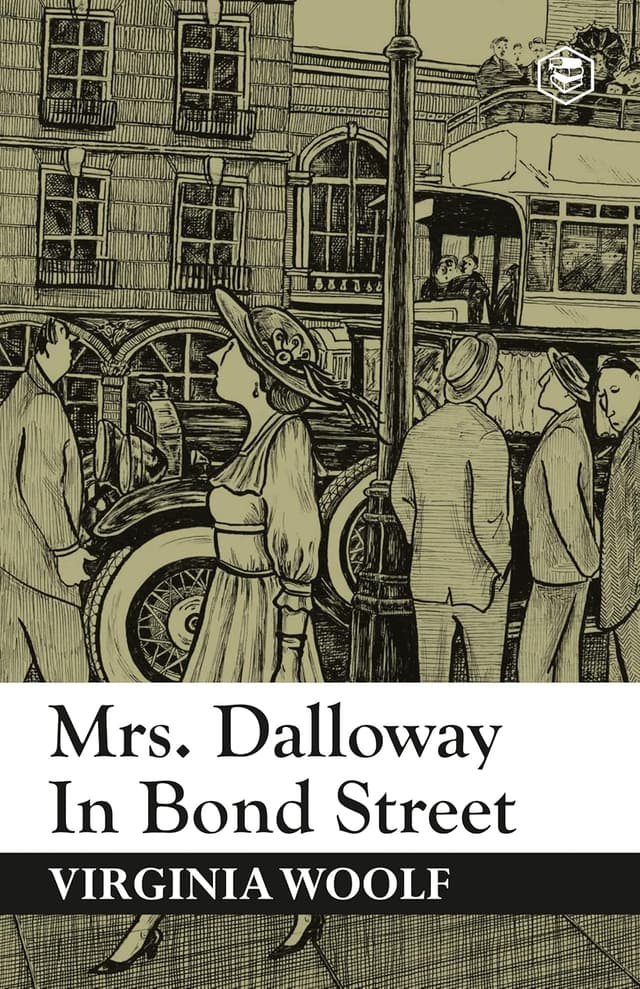
Written in England in 1922 and first published in the literary magazine *The Dial* in July 1923, Virginia Woolf’s short story "Mrs Dalloway in Bond Street" emerged during a period of profound cultural and psychological upheaval. Set in post-World War I London, the narrative reflects a British society grappling with the devastating aftermath of the Great War. The British Empire was beginning to fracture, rigid Victorian class structures were deteriorating, and traditional gender roles were undergoing intense scrutiny. Against this backdrop of collective grief and rapid modernization, Woolf captured the dissonant atmosphere of an ostensibly recovering city still deeply haunted by the shadows of recent trauma.
Upon its publication, the story was highly significant—and somewhat controversial among traditionalist critics—due to its radical departure from conventional Edwardian narrative forms. Rather than relying on a linear, plot-driven structure, Woolf experimented with a pioneering stream-of-consciousness technique. She immersed the reader directly into Clarissa Dalloway’s internal thoughts, fleeting impressions, and fragmented memories as she navigates the bustling streets of London. This stylistic innovation challenged contemporary readers, demanding they engage with literature as a fluid, psychological experience rather than a sequence of external events.
Ultimately, this short story holds a monumental place in literary history as the foundational genesis of Woolf’s 1925 masterpiece, *Mrs Dalloway*. Its lasting impact resonates profoundly in both literature and society, having fundamentally revolutionized the modern psychological novel. By elevating the seemingly mundane internal life of a middle-aged woman to a subject of high art, Woolf helped dismantle patriarchal literary norms. Her work paved the way for future generations of modernist and feminist writers, forever changing how literature explores the intricate, chaotic landscapes of human consciousness.