If You're Curious About These Questions...
You should listen to this audiobook
- Have you ever wondered why the same recurring arguments never seem to get resolved, no matter how many times you talk them through?
- What if you could learn to navigate even the most heated disagreements without ever losing your sense of connection?
- Are you curious about the specific communication habits that separate thriving couples from those stuck in a cycle of constant conflict?
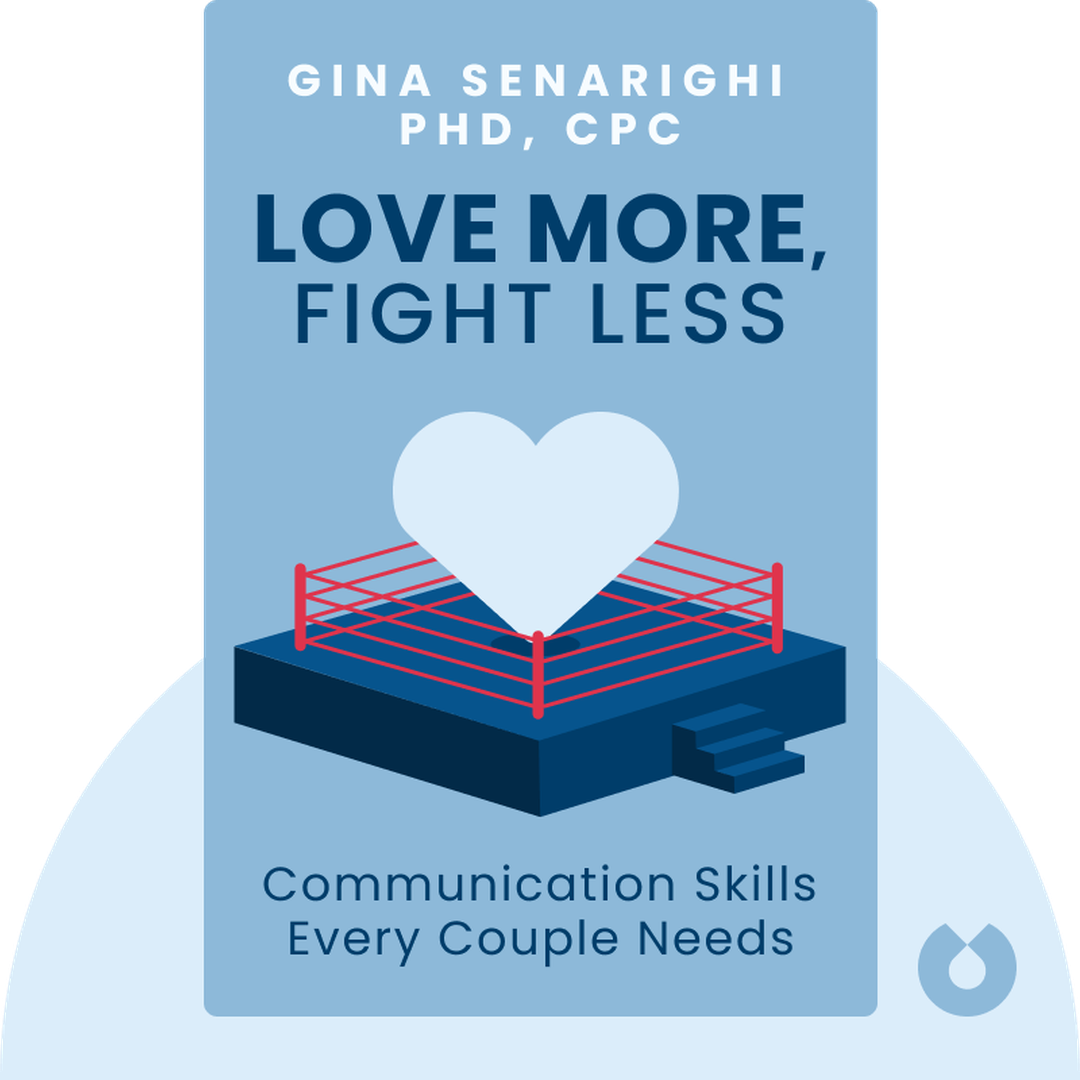
Listen to Love More, Fight Less — Cinematic Audio Edition
Loading player...
Key Takeaways from Love More, Fight Less
- Learn how to recognize the physical signs of emotional distress in your body and soothe yourself before anger or frustration sabotages your conflict resolution.
- Discover the importance of stating your emotional intentions clearly so your partner knows exactly whether you need problem-solving, affirmation, or simply an empathetic ear.
- Master the shift from making accusations to taking personal accountability, a vital communication skill that prevents defensiveness and fosters relationship growth.
- Understand how cultivating non-physical forms of connection—such as intellectual, spiritual, and practical intimacy—can help you rebuild a lagging sexual connection.
- Find out how to navigate sensitive financial disagreements by replacing judgmental words with curious, open-ended questions that assume the best about your partner.
Learning Tools
Reinforce what you learned from Love More, Fight Less
Mind Map
Love More, Fight Less
Foundations for Success+
Navigating Sexual Intimacy+
Managing Money Conflicts+
Dealing with In-Laws & Family+
Quiz — Test Your Understanding
Question 1 of 8
How does the author suggest dealing with physical distress or emotional overwhelm before it sabotages a conflict resolution?
Question 2 of 8
When discussing sensitive topics like a disconnect in sexual intimacy, what is the recommended way to initiate the conversation?
Question 3 of 8
According to the text, sharing household chores, planning vacations together, and co-parenting are examples of which type of intimacy?
Question 4 of 8
Which of the following phrases is a sign that you are judging your partner during a financial disagreement, rather than staying curious?
Question 5 of 8
What is a key requirement mentioned for successfully practicing the skill of 'assuming the best' about your partner?
Question 6 of 8
To help break repeating negative patterns, such as arguing after visiting difficult in-laws, what exercise does the author recommend?
Question 7 of 8
What are the necessary 'ingredients' for holding space for vulnerability, according to the text?
Question 8 of 8
What is the author's stance on unresolvable issues in a relationship?
Love More, Fight Less — Full Chapter Overview
- 1Recommendation
- 2Tips for Success and Self-Awareness
- 3How to Talk about Sex
- 4Matters of Money
- 5Dinner with the In-Laws
- 6Final Summary
Love More, Fight Less Summary & Overview
Love More Fight Less provides straightforward directions on how to develop communication skills that will help you and your partner handle conflict. Various activities let you practice the skills, and this Blink details how to use these communication techniques in real-life situations.
Who Should Listen to Love More, Fight Less?
- Couples that need help communicating
- Those interested in improving their social skills and personal growth
- Skilled communicators looking for new ways to connect in their relationships
Books Similar to Love More, Fight Less
Readers who enjoyed this also liked these titles.