If You're Curious About These Questions...
You should listen to this audiobook
- Have you ever wondered why success and likeability often seem to work against each other for women in the workplace, and how you can navigate this paradox?
- What if the most critical career decision you ever make has nothing to do with your resume, but everything to do with your choice of life partner?
- Did you know there’s a common psychological trap that causes many professionals to 'leave before they leave' their jobs, and could it be stalling your career growth right now?
Listen to Lean In — Cinematic Audio Edition
Loading player...
Key Takeaways from Lean In
- Learn how to identify and overcome both the external workplace barriers and the internal lack of self-confidence that cause women to pull back instead of leaning in.
- Discover why the leadership ambition gap exists and how eliminating the fear of societal criticism empowers women to pursue high-level career roles.
- Understand why women frequently underestimate themselves by attributing their success to luck, and learn how to confidently claim your own capabilities.
- Uncover the implicit gender biases that make successful women seem less likable through the eye-opening Heidi versus Howard case study.
- Realize why abandoning the need to please everyone is an essential step for women who want to excel professionally and drive real change.
Learning Tools
Reinforce what you learned from Lean In
Mind Map
Lean In
The Reality of Inequality+
Overcoming Internal Barriers+
Career Strategies+
Balancing Work and Home+
Quiz — Test Your Understanding
Question 1 of 11
According to the text, what is a surprising finding regarding evaluators who claim to be highly impartial?
Question 2 of 11
What is identified as a primary driver of the 'leadership ambition gap' between men and women?
Question 3 of 11
What does the 'queen bee' phenomenon refer to in the workplace?
Question 4 of 11
How do men and women typically differ in attributing their successes and failures, according to studies mentioned in the text?
Question 5 of 11
Why does the author prefer the metaphor of a 'jungle gym' over a 'career ladder'?
Question 6 of 11
How does the relationship between career success and likeability differ between genders?
Question 7 of 11
What is recommended as a strategy for fostering effective and appropriate communication in the workplace?
Question 8 of 11
What is the author's advice regarding finding a professional mentor?
Question 9 of 11
What is one way mothers inadvertently discourage fathers from playing an equal role at home?
Question 10 of 11
What career mistake do many women make in anticipation of having a family?
Question 11 of 11
According to the text, what is the problem with the concept of 'having it all'?
Lean In — Full Chapter Overview
- 1Recommendation
- 2Women remain noticeably absent from leadership roles, partly because of the leadership ambition gap.
- 3Let’s speak openly about inequality and work together to correct it.
- 4A lack of confidence can hold back women’s careers.
- 5Careers are more like jungle gyms than ladders; aim for the top, but stay flexible in your route.
- 6Women must carefully balance ambition and likeability.
- 7To support effective communication, practice and encourage authenticity and appropriateness.
- 8Attract mentors rather than accosting them, and build natural, reciprocal relationships.
- 9Equality also means a truly equal partnership at home.
- 10Before going on maternity leave, lean in to your job as much as possible.
- 11Don’t try to do everything perfectly; focus on what’s important.
- 12Final summary
Lean In Summary & Overview
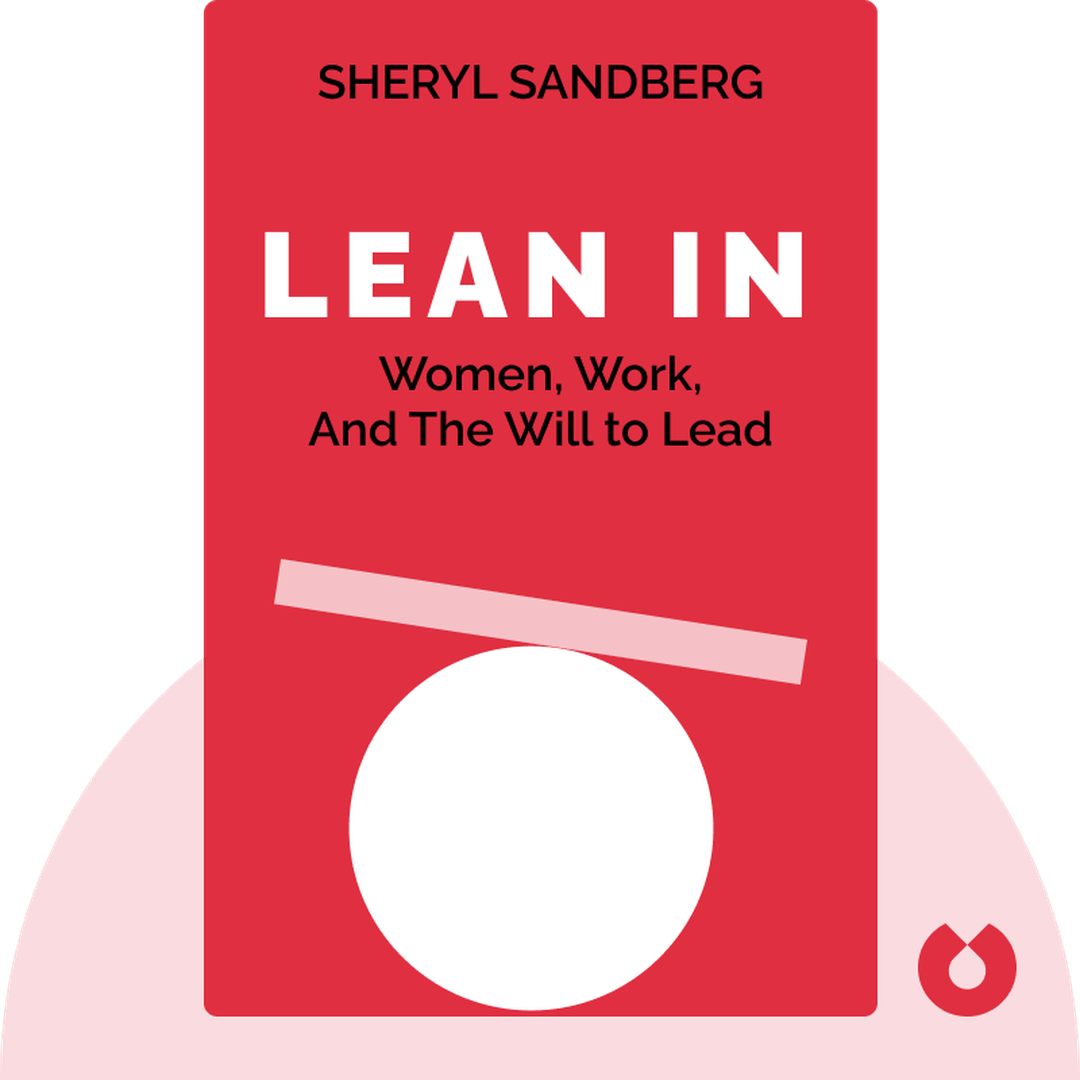
Through a combination of entertaining anecdotes, solid data and practical advice, Lean In (2013) examines the prevalence of and reasons for gender inequality both at home and at work. It encourages women to lean into their careers by seizing opportunities and aspiring to leadership positions, as well calling on both men and women to acknowledge and remedy the current gender inequalities.
Who Should Listen to Lean In?
- Anyone interested in understanding and remedying inequality at work
- Anyone who struggles with the challenges and expectations of combining a career with family
- Anyone – female or male – looking for solid career advice
Books Similar to Lean In
Readers who enjoyed this also liked these titles.