Theme Song
If You're Curious About These Questions...
You should listen to this audiobook
- Have you ever wondered if the standard advice to “lean in” is actually doing more harm than good for your career?
- Did you know that the real reason for the corporate gender gap might have nothing to do with a lack of female ambition?
- What if the key to your professional success wasn't “manning up,” but finally giving yourself permission to “lean out”?
Listen to Lean Out — Free Audiobook
Loading player...
Key Takeaways from Lean Out
- Discover why traditional corporate feminism's advice for women to emulate masculine traits fails to dismantle the patriarchal workplace.
- Realize how adopting conventionally masculine behaviors only reinforces broken corporate systems instead of creating an equitable working environment for all women.
- Explore the real reasons behind the 'leadership ambition gap' and discover why accommodating domestic responsibilities with flexible work conditions is more effective than pressuring women to do more.
- Learn how to reframe traditionally 'female' workplace behaviors—like asking questions or pausing to think—as powerful tools for innovation and mindfulness rather than signs of low confidence.
- Recognize the crucial difference between genuine confidence rooted in self-trust and the performative, masculine bravado that the corporate world mistakenly rewards.
Learning Tools
Reinforce what you learned from Lean Out
Mind Map
Lean Out
Critique of Corporate Feminism+
Why Women Actually Lean Out+
Revaluing Female Behaviors+
Fixing the Corporate System+
Quiz — Test Your Understanding
Question 1 of 10
What is Marissa Orr's primary critique of corporate feminism, such as the advice found in Sheryl Sandberg's 'Lean In'?
Question 2 of 10
According to the text, what is a major, often overlooked reason for the 'leadership ambition gap' where fewer women aspire to be CEOs?
Question 3 of 10
How does the corporate world generally view 'typical' female behaviors, such as hesitating, apologizing, or asking questions?
Question 4 of 10
Based on a 2013 Washington University study mentioned in the text, how do men and women differ when a competitive element is introduced at work?
Question 5 of 10
Why do women excel in academia but often struggle to reach the top of corporate America, according to the author?
Question 6 of 10
What lesson does the book draw from the way US orchestras successfully closed their gender gap?
Question 7 of 10
How does the book distinguish between the types of power preferred by men and women in the workplace?
Question 8 of 10
What is the main takeaway from the Danish organ donor example?
Question 9 of 10
According to Google's in-house research, what was the 'secret ingredient' of their best-performing teams?
Question 10 of 10
Why does the author recommend that all employees 'negotiate like a woman'?
Lean Out — Full Chapter Overview
- 1Recommendation
- 2Masculine assertiveness isn’t something to celebrate or copy.
- 3Stop telling women to lean in — ask why they’re leaning out.
- 4Confidence alone can’t defeat patriarchy at work.
- 5Corporate culture fails to reward meaningful relationships.
- 6Academic and corporate success depend on very different conditions.
- 7Corporations frame power as positive, but favor male authority over female influence.
- 8To achieve workplace gender equality, change conditions — not behaviors.
- 9Women don’t need to change; corporations do.
- 10Final summary
Lean Out Summary & Overview
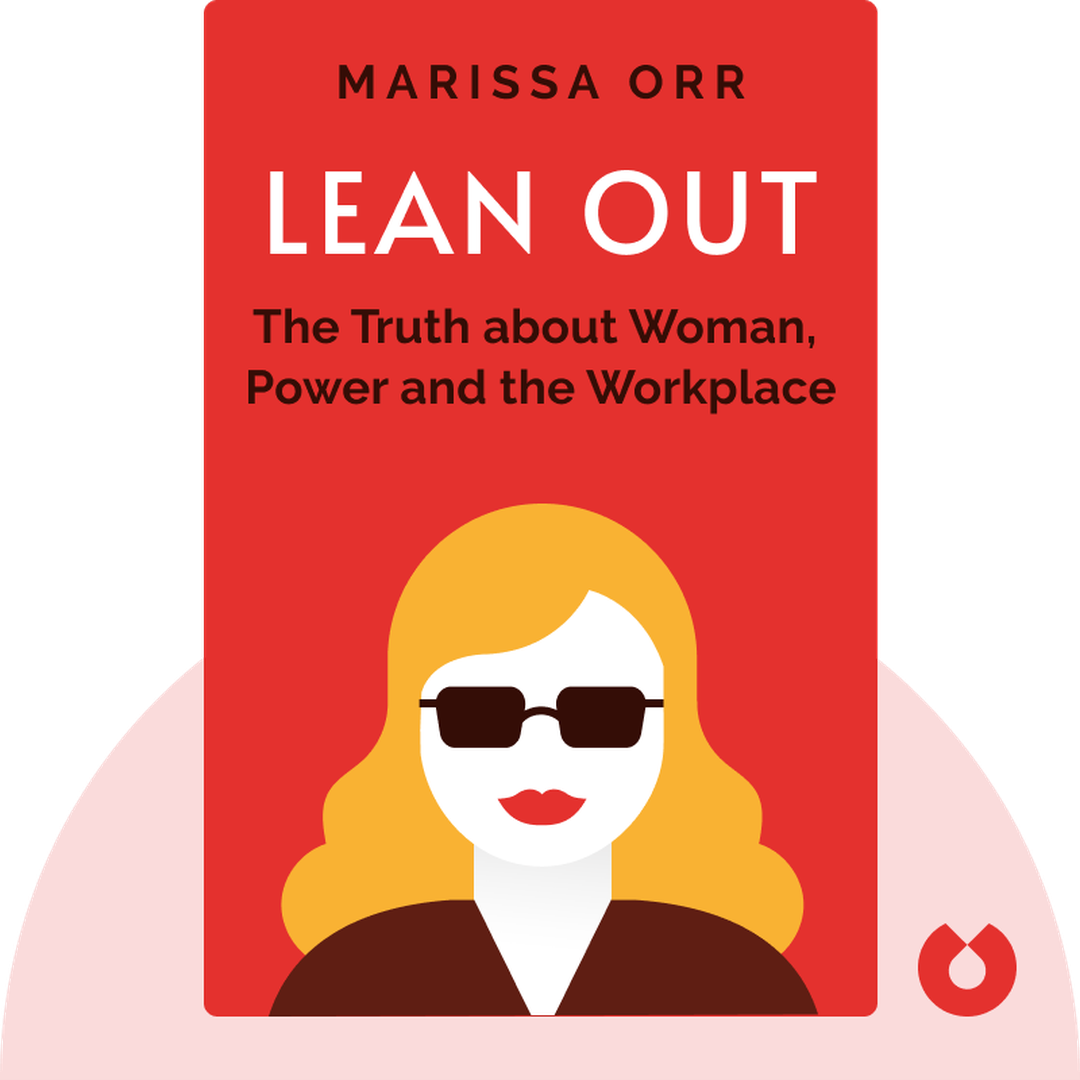
Lean Out (2019) is an impassioned critique of corporate feminism. Rather than “lean in” to the patriarchal structures and misogynistic systems of the corporate world, it suggests that women take a step back and stop trying to act like men in order to get ahead.
Who Should Listen to Lean Out?
- Working women who are sick and tired of being told to “man up”;
- Firms wondering why their top-tier employees all have a Y chromosome; and
- Any employee who wants to do their bit for diversity.
Books Similar to Lean Out
Readers who enjoyed this also liked these titles.