Theme Song
If You're Curious About These Questions...
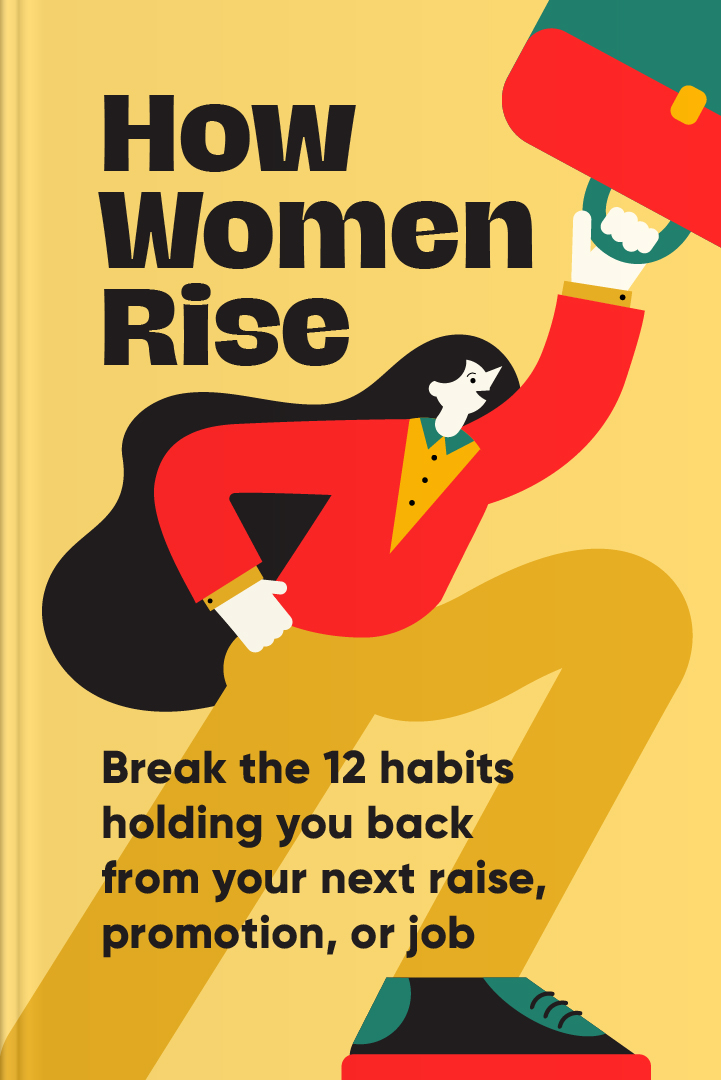
You should listen to this audiobook
- Have you ever wondered why being the most hardworking person in the room isn't always enough to get you promoted?
- Did you know that your drive for perfection might actually be the very thing quietly stalling your professional progress?
- What if the secret to reaching the next level of leadership isn't about mastering your current tasks, but about changing how you build alliances?
Listen to How Women Rise — Free Audiobook
Loading player...
Key Takeaways from How Women Rise
- Understand why reacting to career stagnation by simply working harder often backfires, and how shifting your focus to controllable internal choices restores your professional momentum.
- Discover how invisible, well-worn habits act like hidden ocean currents, quietly pulling capable professionals into exhaustion despite their best efforts.
- Learn why relying on the 'quiet achiever' mindset and hoping your good work will speak for itself is a risky strategy that often leads to career invisibility.
- Master the art of thoughtful self-promotion by learning to translate your daily efforts into clear, factual outcomes that busy leaders can easily recognize.
- Find out how meaningful career advancement doesn't require a dramatic personality overhaul, but begins with a gentle, conscious decision to replace limiting habits.
Learning Tools
Reinforce what you learned from How Women Rise
Mind Map
How Women Rise
Claiming Accomplishments+
The Disease to Please+
Excessive Expertise+
Minimizing Presence+
Rumination+
Perfectionism+
Actionable Advice+
Quiz — Test Your Understanding
Question 1 of 7
Why can being overly modest and failing to claim credit for achievements actually harm a female manager's career and her team?
Question 2 of 7
How does the 'disease to please' negatively impact women in leadership positions?
Question 3 of 7
According to the text, why is developing excessive expertise in your current role a poor strategy for getting promoted?
Question 4 of 7
What is a consequence of women unconsciously minimizing themselves physically and verbally in professional settings?
Question 5 of 7
How do men and women typically differ in their response to past mistakes, according to the psychological research cited in the book?
Question 6 of 7
Why does a habit of perfectionism hinder a woman's chance of reaching the CEO level?
Question 7 of 7
What actionable communication advice is provided for women working in male-dominated corporate environments?
How Women Rise — Full Chapter Overview
- 1Recommendation
- 2Women find it difficult to claim their own achievements.
- 3Women are taught to please, but it damages their careers.
- 4Women’s habit of building too much expertise can hurt their promotion prospects.
- 5Women weaken their own authority by making themselves smaller.
- 6Women’s tendency to ruminate can lead to depression and inaction.
- 7Society encourages perfectionism in women.
- 8Final summary
How Women Rise Summary & Overview
This narration explores common, often well-intentioned habits that can quietly stall career progress—like working hard without being visible, leaning too heavily on expertise alone, trying to please everyone, or getting stuck in perfectionism and overthinking.
With a calm, encouraging tone, it helps listeners build awareness, set healthier boundaries, strengthen relationships, and focus attention where it matters most. The goal is not to self-criticize, but to gently notice what’s not working and choose a better, more sustainable path forward.
Who Should Listen to How Women Rise?
- Professionals who work hard but feel overlooked, under-recognized, or stuck despite strong effort
- People who struggle with perfectionism, people-pleasing, overthinking, or distraction—and want more ease and clarity at work
- Anyone stepping into a new role who wants to build allies, leverage relationships, and grow into leadership
Books Similar to How Women Rise
Readers who enjoyed this also liked these titles.